
Walking out of the barbershop with sides that look sharp for a day and awkward by week two is a familiar letdown. A gentle taper avoids that problem, because the hair shortens gradually from the sideburns and neckline instead of dropping straight to skin. Low taper fade haircuts keep the blend just above the ear, leave the temples covered, and let the top stay short, medium, or long. Straight, wavy, curly, and coily textures all work with it once the top length matches how the hair naturally behaves. A low taper cut also suits office dress codes and weekend plans equally, and it needs a trim only every few weeks.
Choppy Crop Taper

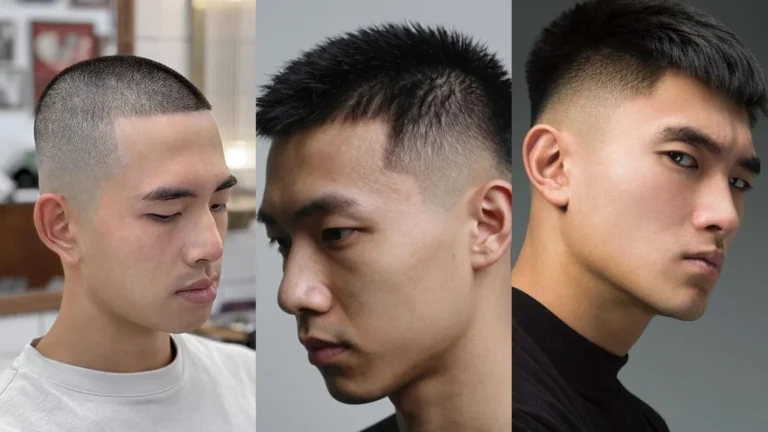
Choppy ends break top into uneven pieces near one inch long. Sides shorten bit by bit from top down toward ears, with length kept near sideburns. Back follows same short length and ends in a soft neckline with no hard line. Fringe sits straight across forehead and stops above brows. Matte finish shows each piece apart. Choppy tips set this cut apart from smooth crops that lie in one line.
Rub a pea-size amount of matte clay between palms, then push hair forward with fingers. Clay gives grip without shine, so short pieces stay apart through day. Point cutting means snipping into tips to break up line, and barber should use it on ends. Straight hair shows choppy detail best, while thick hair needs thinning at crown or top puffs up. Trim every three to four weeks, because fringe grows down fast and covers brows.
Side Part
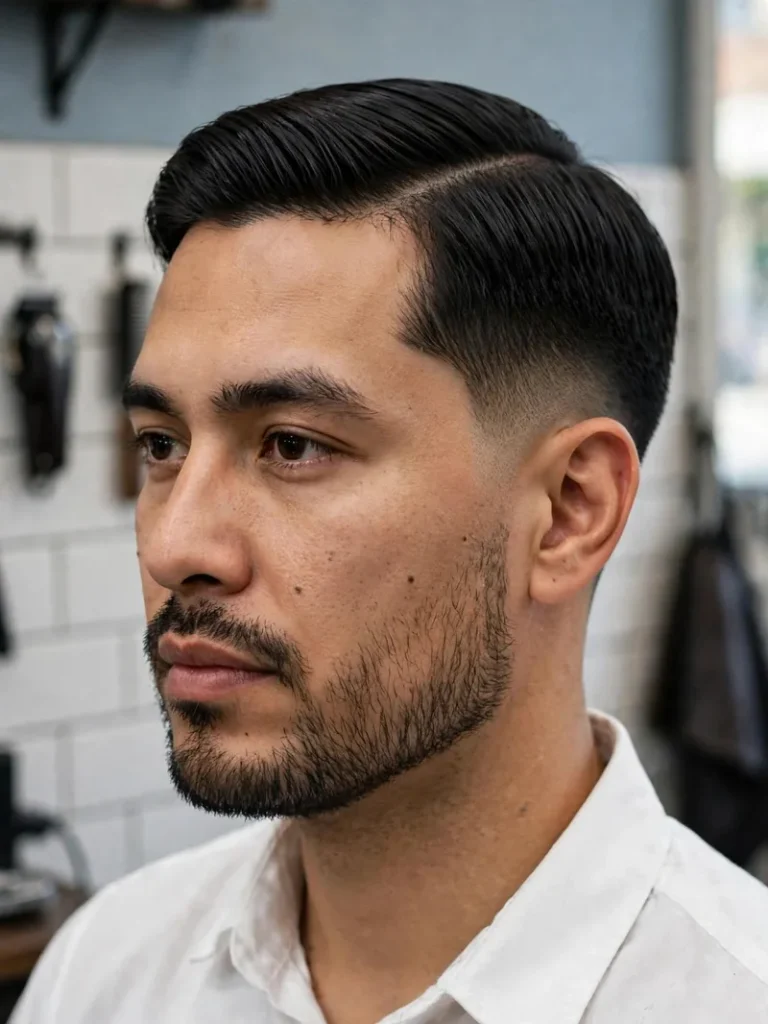
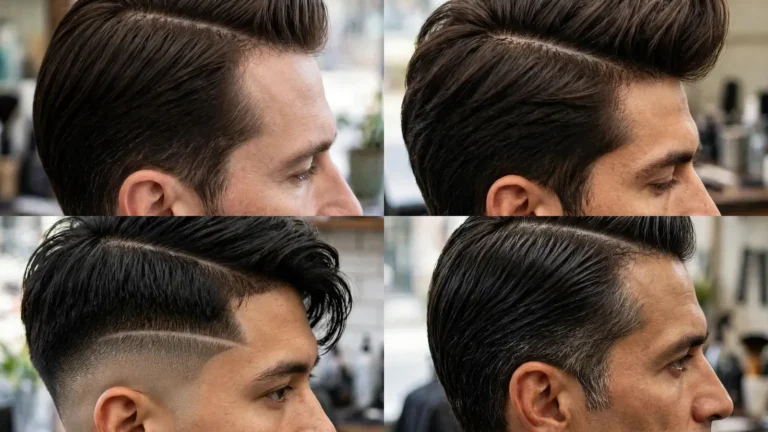
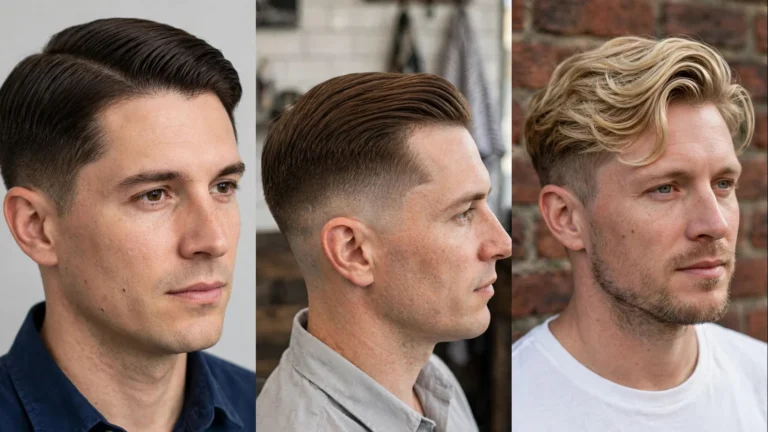
Part sits near temple, with top near two inches long combed to one side. Sides shorten bit by bit down toward ears, and length stays near sideburns. Back stays neat and short, with hair combed down toward neck. Hairline follows natural part, with no shaved line. Finish looks smooth and dry, with light hold from cream. Part line sets this cut apart from side sweeps that lack a set line.
Name two inches on top and a taper on sides. Part should sit where hair falls on its own. Comb damp hair from part across crown, then add light cream for hold. Fingers blur line as hair dries, so comb keeps part line clear. Straight hair holds a part well, while wavy hair may need cream to stop lift at crown. Trim every four weeks, so part stays clear and sides stay neat.
Wavy Quiff Taper

Front lifts near two inches and sweeps up and back. Sides shorten bit by bit toward ears, with length kept near sideburns. Back stays short and combed down, with no lift at crown. Hairline shows a clear front edge, with quiff rising just behind it. Wavy texture gives front movement, and matte finish keeps lift from looking wet. Raised front sets this cut apart from flat crops that stay low.
Blow dry front up with a round brush, then work matte clay through roots for hold. Heat protectant goes on damp hair first, because heat can dry hair out. Low taper fade suits wavy quiffs well, since low blend keeps sides calm under lifted front. Wavy hair holds lift best, while fine hair needs lighter clay or front drops by midday. Trim every three to four weeks, because front length starts to fall forward as it grows.
Curly Top Fade

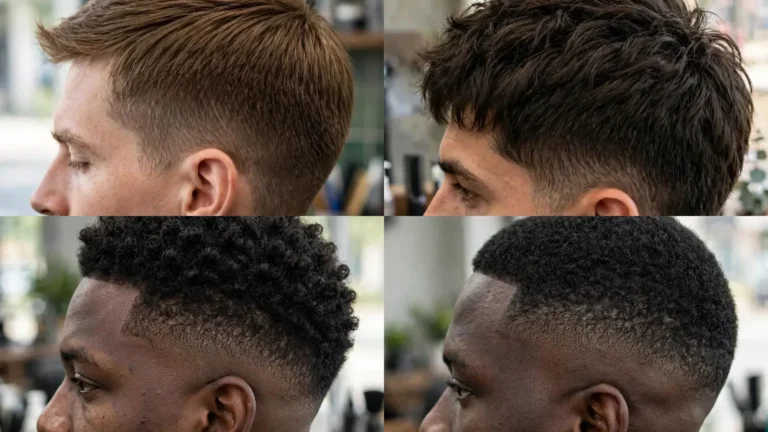
Curls sit near two inches long on top and form soft coils across crown. Sides shorten bit by bit toward ears, with length kept near sideburns. Back stays short and follows curl pattern down toward neck. Hairline stays natural, with curls falling near forehead. Matte finish shows curl shape clear, with ends soft and dry. Curl length sets this cut apart from buzz cuts that hide curl shape.
Trim curls every five weeks, because curls grow out gently and keep shape longer than straight tops. Apply light cream to damp curls, then scrunch gently with hands and let hair air dry. Cream adds definition without weight, so curls stay soft instead of stiff. Curly hair holds shape well, while wavy hair needs more length to form same curl. Variation with shorter sides keeps top curls as focus, because less side bulk lifts curls.
Coily Shape Taper

Coils run near one inch long on top and form tight curls across crown. Sides shorten bit by bit toward ears, with clean edges near temples and neckline. Back stays short and follows coil pattern down toward neck. Hairline keeps a clean edge, with coils starting just behind it. Matte finish shows coil definition clear, with ends soft. Tight coils set this cut apart from loose curls that fall longer.
Shorter sides change whole shape, because less bulk at ears lifts coils on top. Ask barber for one inch of coil on top and a taper on sides with clean edges. Shape coils with light cream on damp hair, then use a soft brush for definition. Coily hair holds shape well with moisture, while dry coils may need cream each morning. Trim every three to four weeks, because edges blur fast as hair grows.
Forward Fringe

Fringe runs about one inch long and brushes straight forward toward forehead. Sides shorten bit by bit toward ears, with length kept near sideburns. Back stays short and even, with no weight at neckline. Hairline forms a straight edge across forehead, with fringe covering it. Finish looks matte, with fringe lying flat and even. Forward direction sets this cut apart from crops that push hair up or back.
Avoid cutting fringe too short, because short fringe makes forehead look long and shape loses balance. Give barber one inch on top and ask for fringe brushed forward. Comb damp fringe forward with fingers, then let it dry, because no product is needed on most days. Straight hair lies flat well, while wavy hair may need light cream to stop fringe lifting. Trim every four weeks, so fringe stays above brows and sides stay neat.
Brushed Back Fade

Hair runs near two inches long and brushes straight back from forehead. Sides shorten bit by bit toward ears, with length kept near sideburns. Back stays short and combed down toward neckline. Hairline stays open, with hair pulled back to show forehead. Finish looks smooth, with light cream giving hold and slight shine. Back direction sets this cut apart from side parts that sweep across.
Use a small amount of light cream first, because too much cream makes hair look wet and heavy. Comb damp hair straight back, then add light cream for hold. Tell barber to leave top long enough to brush back fully and taper sides short. Wavy and straight hair brush back well, while curly hair needs more length to stay back. Trim every four to five weeks, so back length stays under control.
Short Spiky Fade
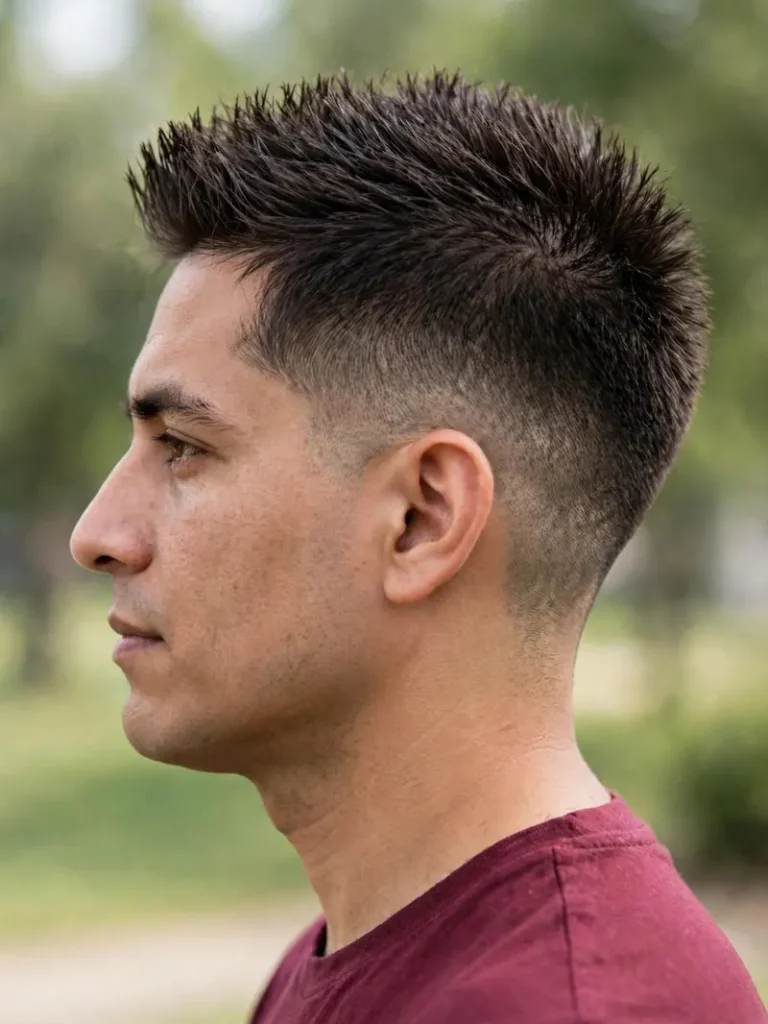
Spikes run near one inch long and stand up across crown. Sides shorten bit by bit toward ears, with length kept near sideburns. Back stays short and even, with no spikes at crown. Hairline keeps a soft edge, with spikes rising just behind forehead. Finish looks matte, with spikes holding shape through day. Raised spikes set this cut apart from flat crops that lie down.
State one inch on top and a taper on sides, with texture cut into ends. Pinch ends up with matte clay after towel drying damp hair. Clay gives grip at roots, so spikes stand apart instead of clumping. Straight hair spikes well, while wavy hair needs more clay to hold lift. Trim every four weeks, because spikes lose shape as top grows longer.
Messy Textured Top Taper

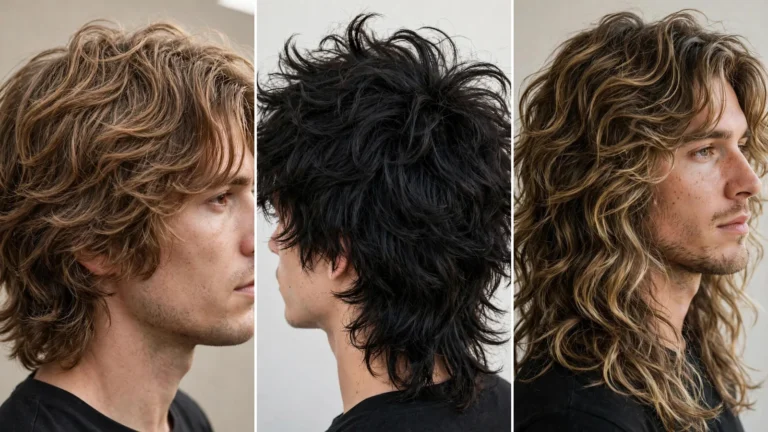
Pieces fall in loose uneven strands near two inches long. Sides shorten bit by bit toward ears, with length kept near sideburns and neckline. Back stays short and follows head shape without weight. Hairline stays natural, with pieces falling softly near forehead. Finish looks matte, with strands moving in varied directions. Uneven pieces set this cut apart from neat crops that sit in one line.
Push strands in varied directions with matte clay through damp hair, then let hair settle on its own. Clay gives light grip, so pieces keep movement without going stiff. Tell barber to leave top long and add texture through ends, with taper on sides. Wavy hair takes this shape well, while straight hair needs clay to stop pieces falling flat. Trim every five weeks, because texture grows out gently and shape holds longer.
Clean Crew Cut

Even length covers top near half an inch and lies flat in one layer. Sides shorten bit by bit down to ears, which keeps bulk from temples. Back follows same short length and ends in a clean neckline. Hairline stays natural, with no hard line drawn across forehead. Finish looks matte and dry, with no shine. Short even length sets this cut apart from longer crops that need combing.
Fine hair gains a sense of fullness from short even length. Thick hair may need thinning at crown. Ask barber for a number 4 guard on top and a number 2 guard on sides. Guard means a clipper guide that sets hair length. Style takes towel drying and a quick comb forward, with no product on most days. Book a trim every four weeks, because short sides show growth fast.
Ivy Sweep Taper
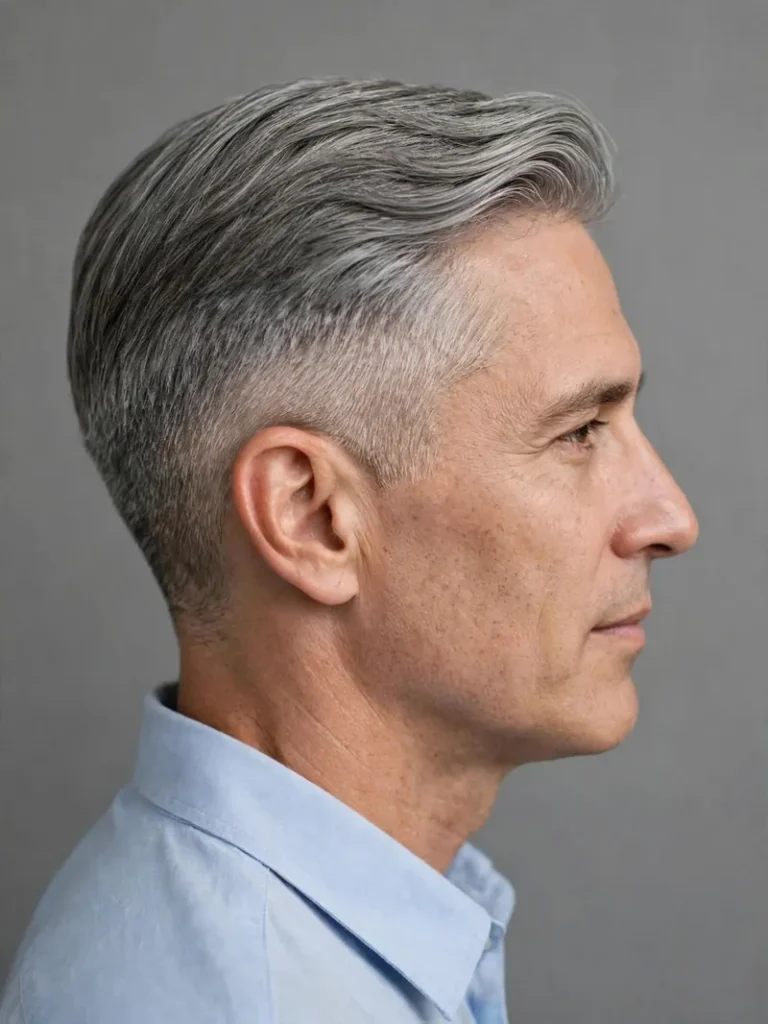
Sweep moves to one side with soft movement, near one and a half inches long on top. Sides shorten bit by bit toward ears, with length kept near sideburns and neckline. Back stays short and combed down toward neck. Hairline stays natural, with top falling across forehead. Finish looks smooth, with sweep showing light movement. Soft sweep sets this cut apart from comb overs that use a hard part.
Book a trim every four to five weeks, because sweep grows out gently and top starts to flop. Move damp hair to one side with a comb, then add light cream for hold. Cream gives soft control, so sweep keeps movement without going stiff. Wavy hair sweeps well, while straight hair may need cream to stop sweep falling flat. Variation with a side part adds a clear line, because part gives sweep a set direction.
Slick Back Taper
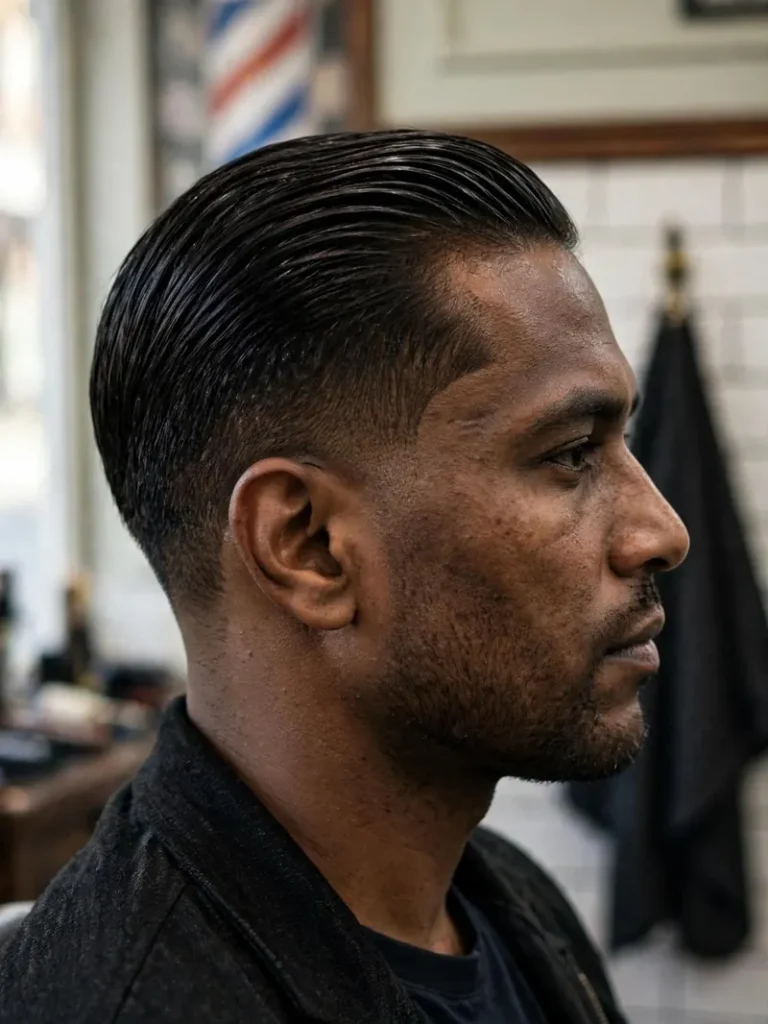
Smooth top runs near two inches long and combs straight back from forehead. Sides shorten bit by bit toward ears, with length kept near sideburns. Back stays short and combed down, with no weight at neck. Hairline stays open, with hair pulled back to show forehead. Finish looks smooth, with pomade giving hold and light shine. Back sweep sets this cut apart from brushed back crops that use less hold.
Longer top changes whole shape, because more length gives back sweep more weight to lie flat. Smooth damp hair back with a comb, then add pomade for hold. Tell barber to leave top long enough to comb back fully and taper sides short. Straight hair slicks back well, while thick hair may need thinning to lie flat. Trim every four weeks, so sides stay neat and top keeps shape.
Textured Fringe Fade

Broken fringe falls forward over forehead in soft choppy pieces near two inches long. Sides shorten bit by bit toward ears, with length kept near sideburns. Back stays short and blends down to a soft neckline. Hairline hides under fringe, with ends sitting at varied lengths. Matte finish keeps broken ends visible, with no shine. Choppy fringe sets this cut apart from smooth fringes that lie in one line.
Watch for a blunt fringe line, because a solid line hides texture and makes fringe look heavy. Tell barber to point cut fringe, which means snipping into ends for softness. Work matte clay through dry hair, then separate fringe with fingers. Wavy and straight hair suit this fringe, while curly hair needs longer length to fall forward. Trim every three weeks, because fringe grows down and covers eyes.
Short Pompadour Taper
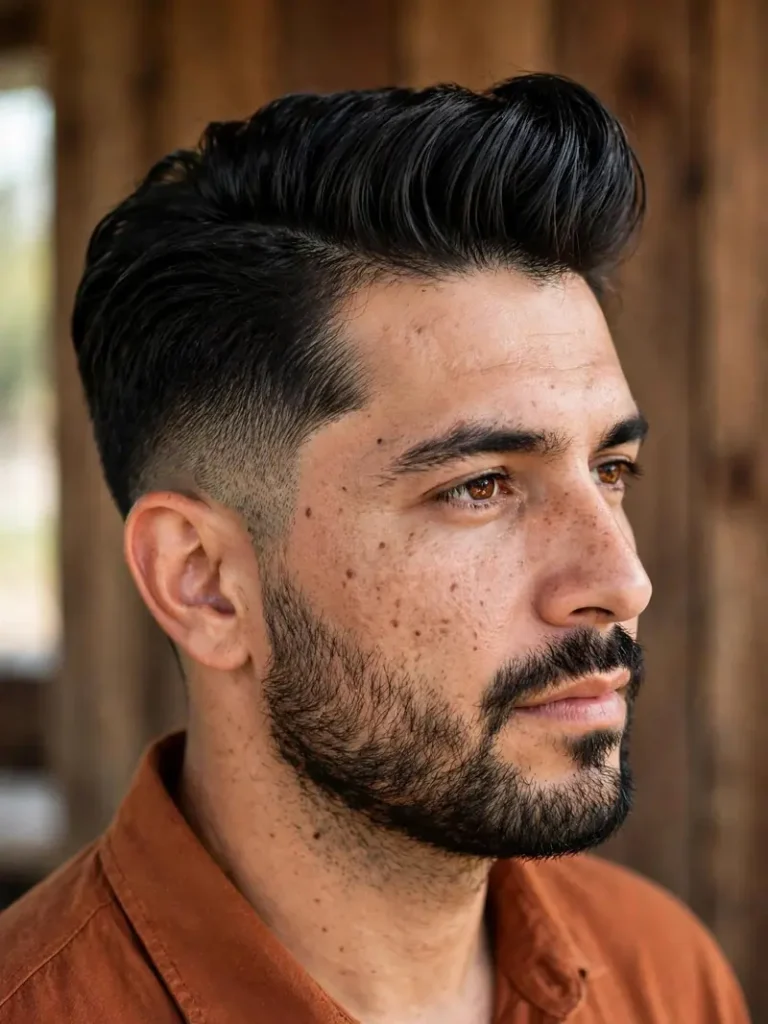
Lift rises near two inches high and sweeps back from forehead in a soft roll. Sides shorten bit by bit toward ears, with length kept near sideburns. Back stays short and combed down, with no lift at crown. Hairline shows a clear front edge, with roll rising behind it. Finish holds soft height, with pomade giving hold. Rolled front sets this cut apart from quiffs that lift straight up.
Matte clay holds lift at roots, while pomade gives roll a smooth surface and light shine. Dry front up and back with a brush, then add pomade for hold. Ask barber for two inches at front and shorter length toward crown, with sides tapered. Straight hair rolls well, while wavy hair needs more product to hold shape. Trim every four weeks, because front height falls as hair grows longer.
Comb Over

Comb moves top to one side from a clear part line near the temple. Top runs near two inches long, with smooth even strands. Sides shorten bit by bit toward ears, and back blends down to a soft neckline. The hairline follows part, with the top sweeping across the forehead. Finish looks smooth, with light cream giving hold. Clear part sets this cut apart from side sweeps that lack a set part line.
Request two inches on top and tapered sides, with part set where hair falls on its own. Comb damp hair from part across the crown, then add light cream. Use a comb, not fingers, because comb keeps part line clear as hair dries. Straight hair holds a comb over well, while wavy hair may need cream to stop lift. Trim every four weeks, so part stays clear and sides stay neat.
Hard Part Quiff
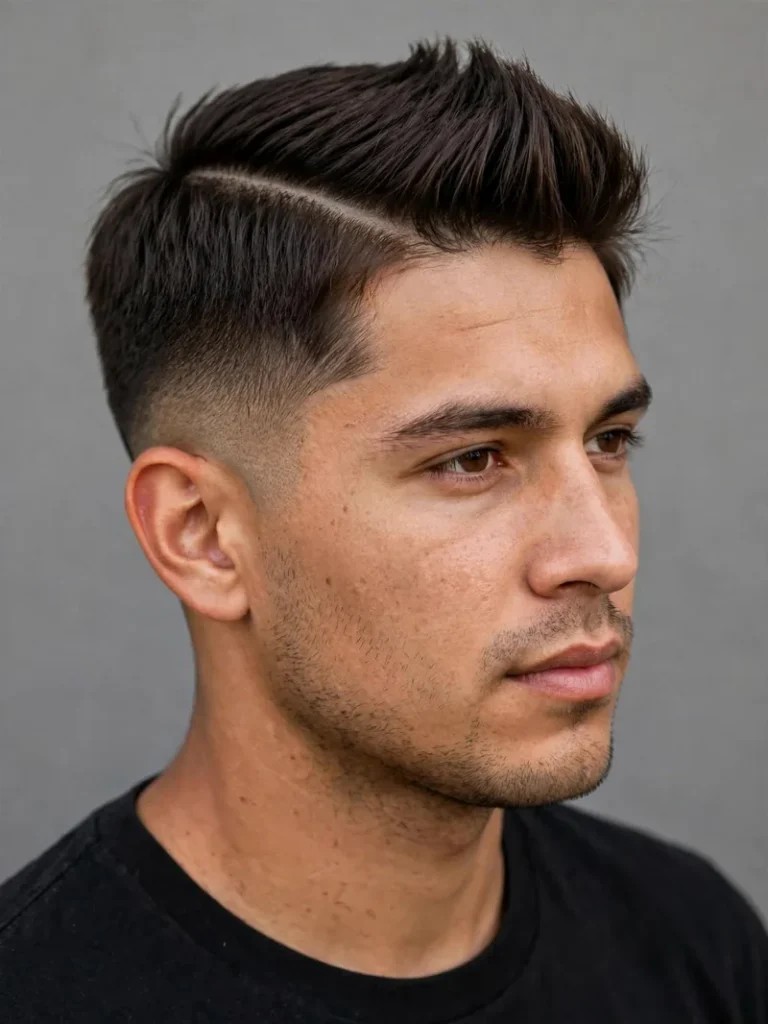
Hard part line runs down one side, with the top pushed up. Top runs near two inches long, with the front lifted and swept across. Sides shorten bit by bit toward ears, with length kept near sideburns. Back stays short and combed down toward the neckline. Hairline shows a sharp part edge, with a lifted top rising beside it. Sharp line sets this cut apart from soft parts that blend into top.
Brush damp hair up and across from the hard part, then work matte clay through roots. Clay gives grip at roots, so the lifted front holds shape through the day. Tell the barber to cut a hard part line and taper sides, not fade them to skin. Straight hair holds a hard part well, while wavy hair needs clay to keep the front from falling. Trim every three weeks, because the hard part line blurs fast as the sides grow.
Flat Top Fade

Level top runs near one inch long and forms a flat surface across the crown. Sides shorten bit by bit toward ears, with edges straight and clean. The back stays short and follows a level shape down toward the neck. Hairline keeps a straight edge, with a flat top rising just behind it. The finish looks matte, with the top brushed up and even. Level top sets this cut apart from rounded crops that follow the head curve.
Coily and curly hair hold a flat top well, while straight hair needs clay to stand up. Brush damp hair up with a brush, then add matte clay for hold. Tell the barber to leave top level, not rounded at edges, and taper sides. Clay gives firm hold at roots, so the flat surface keeps its edge through the day. Trim every three weeks, because level shape blurs fast as hair grows.
Rounded Afro Taper

Round shape sits on top near two inches long, with coily hair forming a soft curve. Sides shorten bit by bit toward ears, with length kept near sideburns. Back stays short and follows a round shape down toward the neck. The hairline keeps a clean edge, with coils starting just behind it. Finish looks matte, with light cream adding soft definition. Round shape sets this cut apart from flat tops that rise level.
Schedule a trim every three to four weeks, because the round shape grows wide and loses its curve. Save top length and taper sides and back, with a rounded shape, not a flat one. Apply light cream to damp hair, then pick shape gently with a wide comb. Coily hair suits this cut best, while wavy hair needs a different shape to hold roundness. Variation with shorter sides keeps top roundness as focus, because less side bulk lifts shape.
Layered Crown Top Taper

Layers shape the crown, with longer pieces on top and shorter pieces near sides. Top runs nearly two inches long, cut with scissors. Sides shorten bit by bit toward ears, with length kept near sideburns. Back stays layered and short, with ends blending down toward the neck. Hairline stays natural, with layers falling softly near the forehead. Soft layers set this cut apart from blunt crops that end in one line.
Leave the top long and ask the barber to cut layers with scissors, not clippers alone. Low taper fade keeps sides soft under layers, so grow-out stays gentle. Lift crown with light cream on damp hair, then comb forward for lift. Fine hair gains lift from layers, while thick hair may need thinning to stop bulk. Use a vent brush while drying, because the brush lifts roots at the crown. Trim every five weeks, because layers lose lift as hair grows.
Grey Blend Taper

Grey strands mix with dark strands across a short top near one inch long. Sides shorten bit by bit toward ears, with grey tones blending through sides. Back stays short and follows blend down toward the neckline. Hairline stays natural, with grey showing near temples. Finish looks matte, with a grey blend softening contrast. Grey blend sets this cut apart from dark tapers that show one tone.
Skip covering grey with colour, because blended tones give shape a softer edge than one flat tone. Ask the barber for a short top and a taper on sides that blends grey through. Comb damp hair to one side, then add light cream for hold. Straight and wavy grey hair blend well, while very dark hair may show more contrast. Trim every four to five weeks, because the blend softens as hair grows.
Forward Caesar Taper
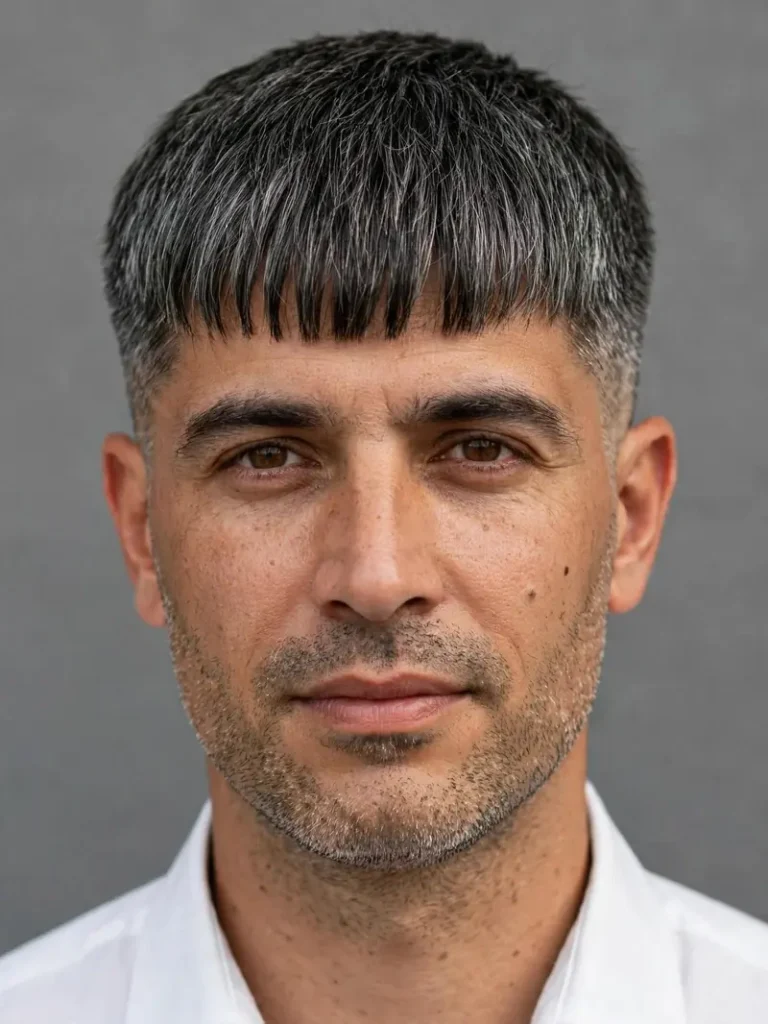
Straight fringe runs about one inch long and brushes forward toward the forehead. Sides shorten bit by bit toward ears, with length kept near sideburns. Back stays short and even, with no weight at the neckline. Hairline forms a straight edge across the forehead, with fringe covering it. Finish looks matte, with fringe lying flat and even. Even fringe sets this cut apart from textured fringes that break into pieces.
Light cream keeps fringe flat, while matte clay adds grip for wavy hair that lifts at ends. Give the barber one inch on top and ask for a fringe brushed forward with a straight edge. Comb damp fringe forward with fingers, then let it dry. Straight hair lies flat well, while wavy hair may need light cream to stop fringe lifting. Trim every four weeks, so fringe stays above brows and sides stay neat.
Shaggy Layered Top Taper

Shaggy layers fall in varied directions, near two inches long on top. Sides shorten bit by bit toward ears, with some length kept near ears. The back stays layered and short, with ends falling unevenly toward the neck. The hairline stays natural, with layers falling near the forehead. The finish looks matte, with layers showing movement. Layered ends set this cut apart from blunt crops that end in one line.
Ask the barber for two inches on top with layers through ends and a taper on sides. Rub light cream through damp hair, then let hair air dry. Cream gives soft control, so layers keep movement without going stiff. Wavy hair takes layers well, while straight hair needs cream to show movement. Use fingers to separate layers, because fingers keep ends soft. Trim every five to six weeks, because layers grow out gently.
Long Swept Side Taper

Longer top runs near three inches and sweeps to one side in a soft line. Sides shorten bit by bit toward ears, with length kept near sideburns. Back stays short and combed down, with no weight at the neck. Hairline stays natural, with the top falling across the forehead. Finish looks matte, with sweep showing light movement. Longer length sets this cut apart from short sweeps that sit close to the head.
Dry damp hair to one side with a brush, then add light cream for soft hold. Cream gives control without weight, so the longer top keeps its sweep through the day. Tell the barber to keep front long enough to sweep across and taper sides. Wavy hair sweeps well, while straight hair may need cream to stop sweep falling flat. Trim sides every four weeks, because sides grow out first and widen shape.
Buzz Taper

Even length covers top near a quarter inch, cut with a clipper guard. Sides taper slightly shorter toward ears, with length kept near sideburns. Back tapers down to a soft neckline, with no hard line. Hairline stays natural, with no line drawn across the forehead. Finish looks matte and even, with the scalp showing slightly through short hair. Even length sets this cut apart from fades that blend down to skin.
Coarse hair shows a neat even texture, while fine hair looks smooth and tidy at this length. Ask the barber for a number 2 guard on top and a number 1 guard on sides. Wash and towel dry, then leave hair as it dries, because no styling is needed. Coily, curly, and straight hair all take this even shape. Trim every two weeks, because even a small amount of growth changes the outline.
Skin Blend Taper
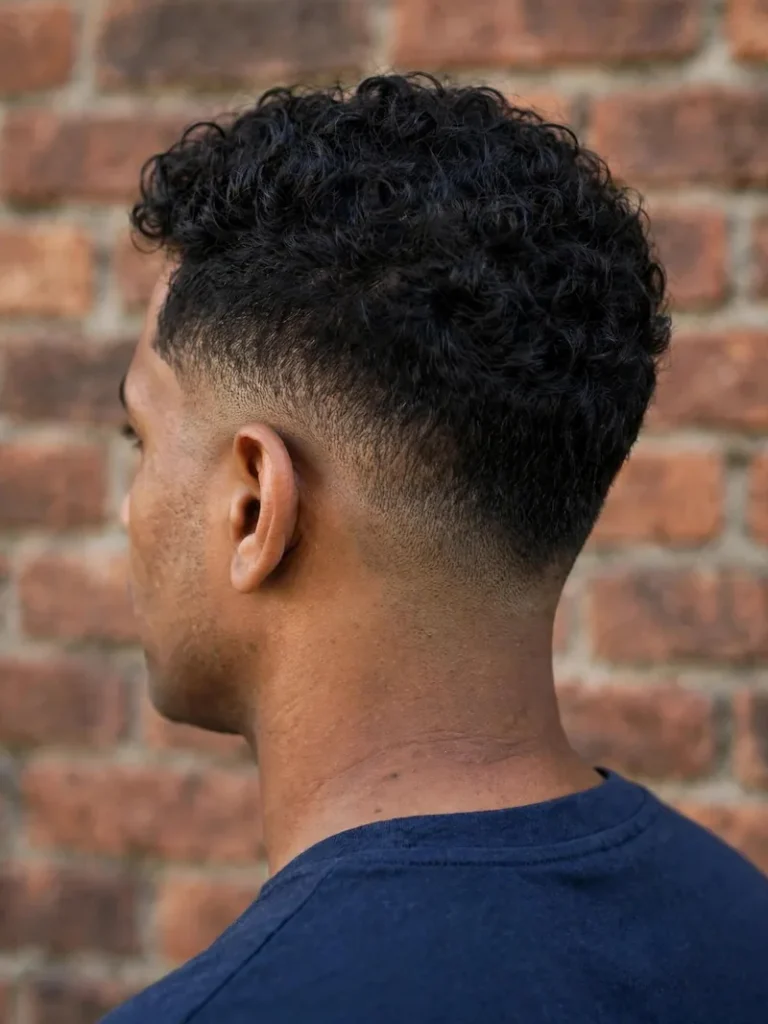
Skin blend starts just above the ears and fades down to bare skin at bottom edge. The top runs near one and a half inches, with curls. Sides shorten fast from top down to skin near ears. Back follows the same blend down to a soft neckline. The hairline keeps a clean edge, with curls starting behind it. Bare skin at bottom sets this cut apart from soft tapers that keep length at ears.
Wait no longer than two weeks between trims, because skin blend shows growth fast and loses its edge. Blend sides to skin and leave top length as cut, with a clean hairline. Work matte clay through damp hair, then comb top to one side. Straight and wavy hair suit this blend, while curly hair needs a longer top to show curls. Variation with a soft neckline grows out more gently, because the skin edge stays low.
Conclusion
Tell the barber the top length before anything else, because that single detail shapes how the sides need to be cut. Ask for a soft neckline if you want growth to look tidy, and book the next trim before the sides touch your ears. Low taper fade haircuts reward that small amount of planning with weeks of easy, natural-looking wear. Matte clay suits short textured tops, light cream suits waves and curls, and a quick wash each night keeps product from building up. Bring one clear photo and let the barber adjust it to your hair.
About Me
Hi, I am Beck, the voice behind Hairzaa. I share simple, real-life hairstyles, cuts and color ideas that busy women can actually do, because confidence starts in the morning mirror. Every style here is tested in real life first, so you can look beautiful without the fuss.

One Comment