
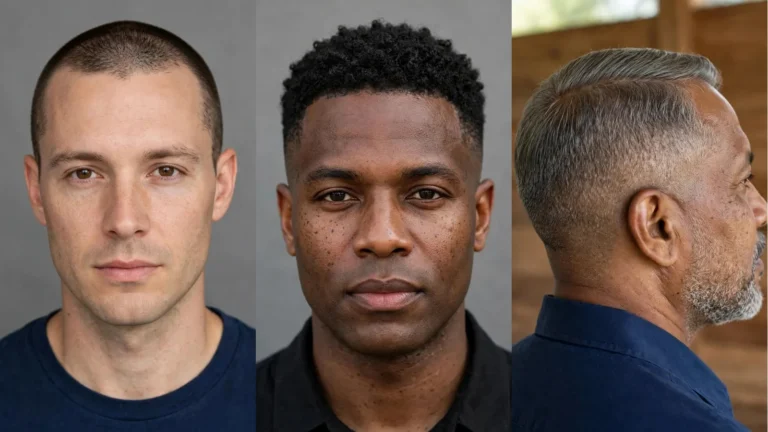
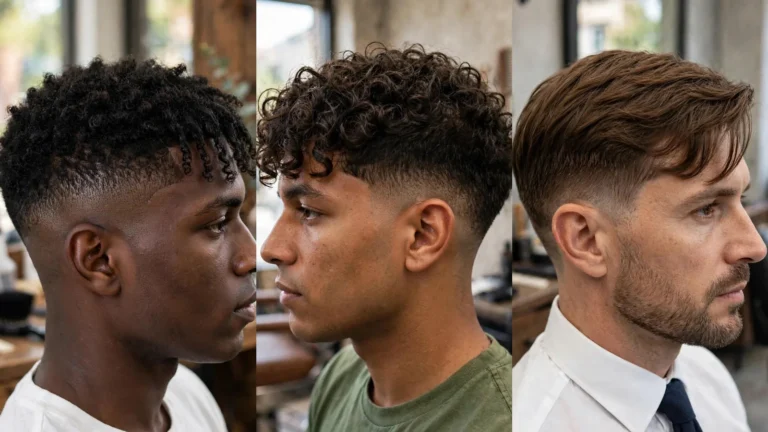
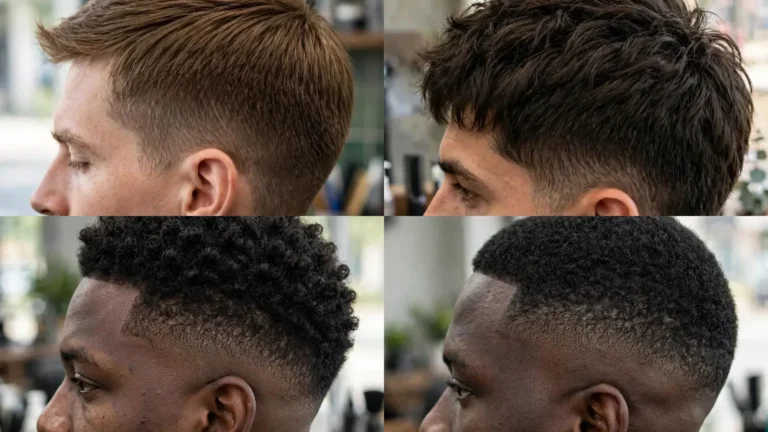
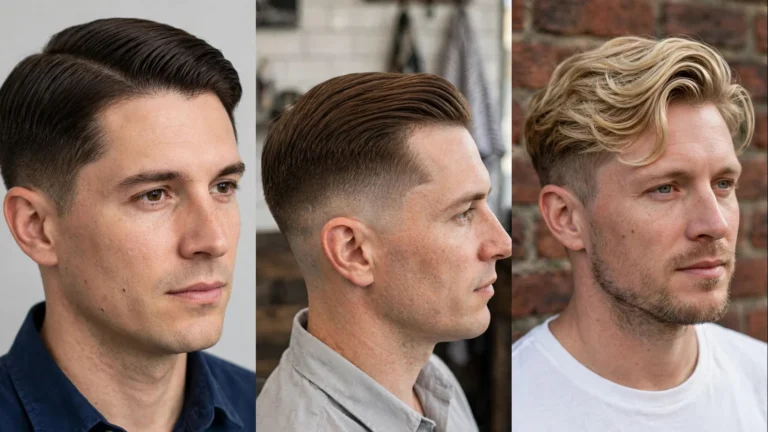
Barbers hear the same request all day: take it shorter on the sides, but keep the top. The mid fade is the middle answer, starting around the temples so the contrast looks deliberate without exposing too much scalp. Whether the plan is a hard part, a textured quiff, a curly fringe, or a flat top, the blend stays the same and only the top changes. A mid fade haircut is a practical pick for men who want a defined shape and a short morning routine. Hair type matters less than top length, so straight, wavy, curly, and coily hair each get a version that fits.
Hard Part Mid Fade
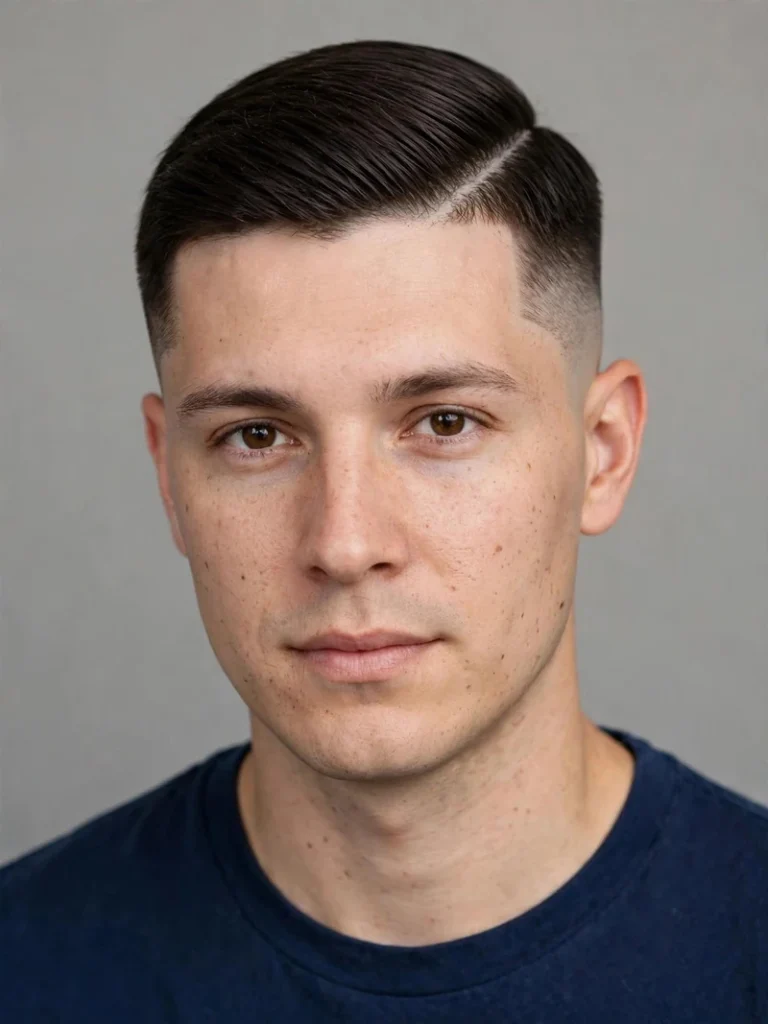
Length on top runs about two inches, and the hair combs to one side. Hard part means a thin line shaved with clippers, so the part stays clear. Sides use a fade, which blends hair shorter down the sides from the temples. Back follows the same blend to a neckline that tapers bit by bit. Compared with a soft side part, the shaved line makes the part much clearer.
Ask for a hard part on the side where hair falls most easily. Clip the sides with a number 2 guard near the ears, then blend up to the top. Comb damp hair from the part with a comb, then add light cream for hold. Light cream holds the part without shine, which means the line stays visible. Trim every three weeks, because the shaved line grows in first.
Line-Up Mid Fade
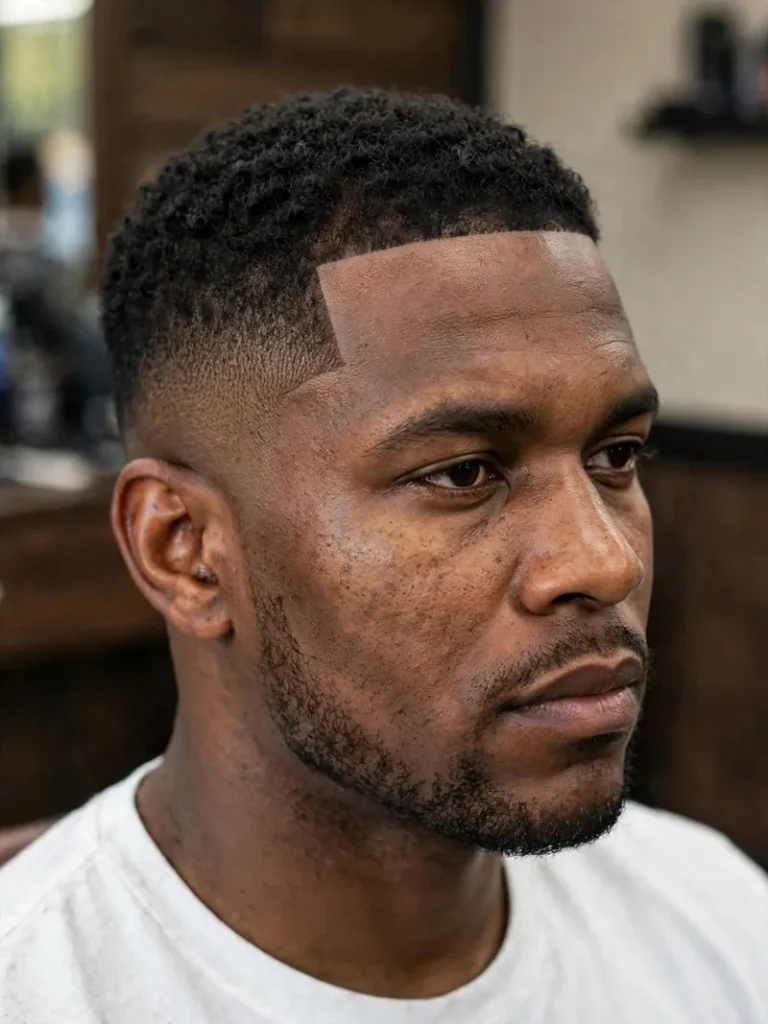
Hairline forms a sharp straight edge across the forehead. Line-up means the edges are cut with clippers into clean straight lines. Top stays very short, near half an inch, with coily texture. Sides fade from short to shorter, starting around the temples. Back blends down to a clean neckline with no hard line. Compared with a plain short fade, the sharp edges frame the face.
Keep edges sharp by asking the barber to shape the hairline at each visit. Rub a small amount of light cream through damp hair, then brush the top forward. Short hair dries fast, so no heat or dryer is needed. Trim every two weeks, because the straight edges blur fast as hair grows. Use a soft brush on the top, because hard brushing pulls coils out of shape.
Drop Fade Crop
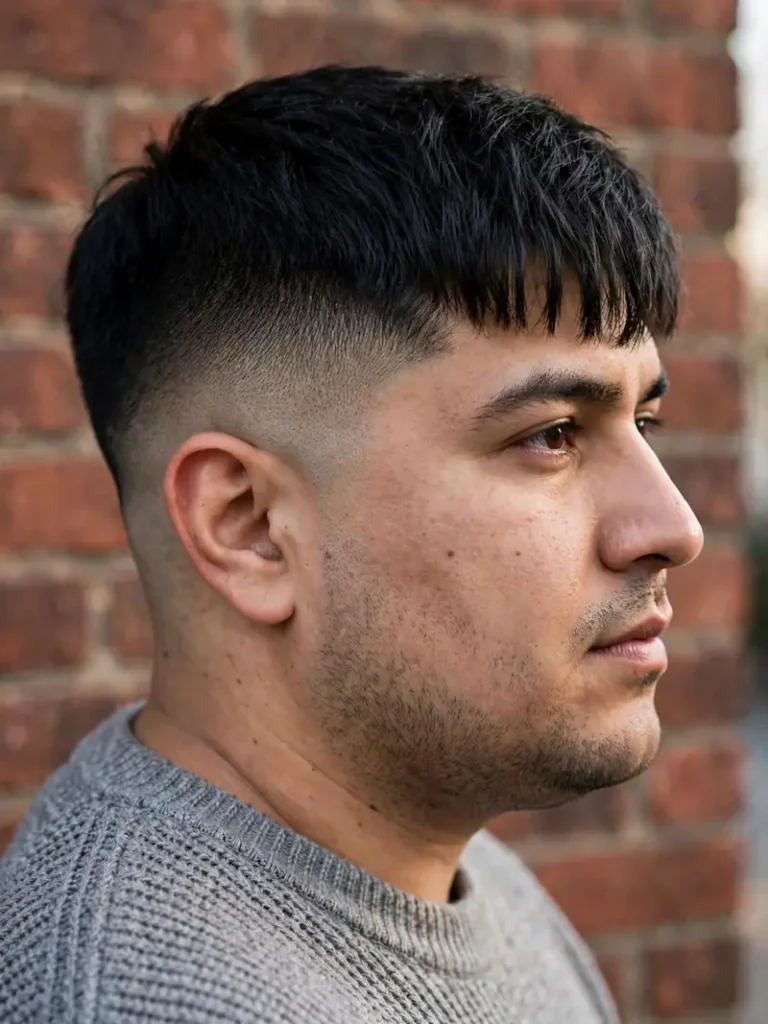
Sides fade in a curve that drops down behind the ear, which sets this cut apart. Top runs about one inch long, with textured ends pushed forward over the forehead. Back stays short and follows the same low curve down to the neck. Hairline keeps a soft edge, with the fringe sitting just above the brows. Finish looks matte, with no shine on the top.
Wavy hair shows the texture best, while straight hair needs point cutting for the same effect. Point cutting means snipping into the ends to break up the line. Ask the barber to keep the fringe above the brows, so it never blocks the eyes. Rub matte clay through dry hair, then push the top forward with fingers. Trim every three weeks, because the curved blend loses its shape fast.
Burst Fade Top
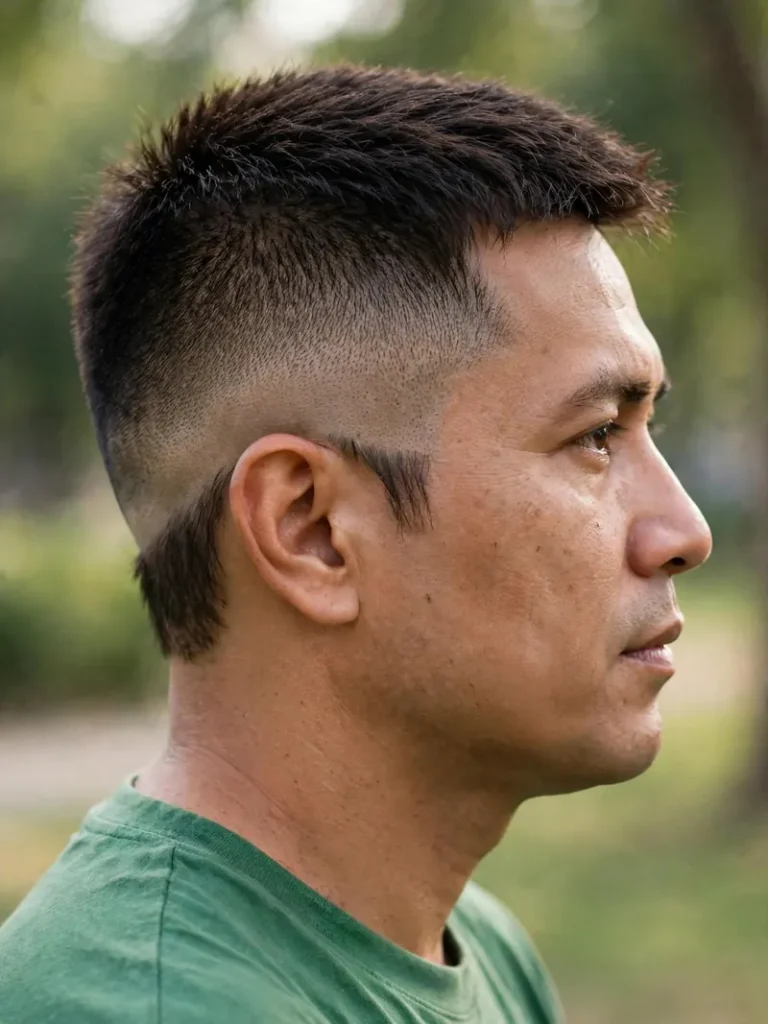
Contrast marks this cut, with a short top over faded sides that arc around the ear. Burst fade means the blend curves around the ear in a half circle. Top runs about one inch long, with rough texture through the ends. Back stays short and ends in a clean neckline. Hairline stays natural. Compared with a straight mid fade, the curved blend leaves more length behind the ear.
Trim every two to three weeks, because the curved blend softens fast as hair grows. Ask the barber to keep the length behind the ear, so the arc stays clear. Work a pea-sized amount of matte clay through damp hair, then push the top up with fingers. Fine hair holds the short top well, while thick hair needs thinning at the crown. Wash out clay at night, because buildup weighs the short top down.
Skin Blend Mid Fade
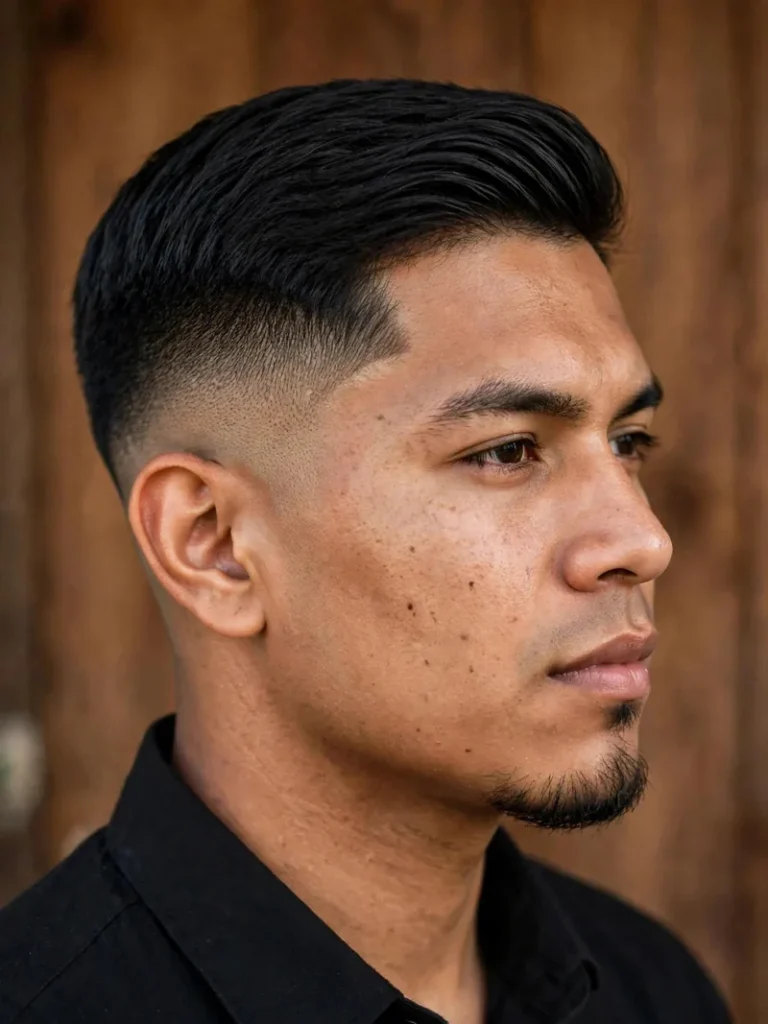
Bare skin shows at the bottom here, with sides that blend all the way down. Skin fade means the shortest part shows skin, with no hair left. Top runs about one inch long and brushes to one side. Blend starts around the temples and moves down to skin near the ears. Back follows the same blend to a clean neckline. Hairline stays neat, with a clear edge at the front.
Name a skin blend with the top left long enough to brush to the side. Shorter tops keep the shape plain, while longer tops add sweep. Comb damp hair to one side with a comb, then add pomade for a light shine. Straight hair slicks well here, while wavy hair needs more pomade for the same smooth line. Trim every two weeks, because skin blends show growth fast.
Mohawk Mid Fade
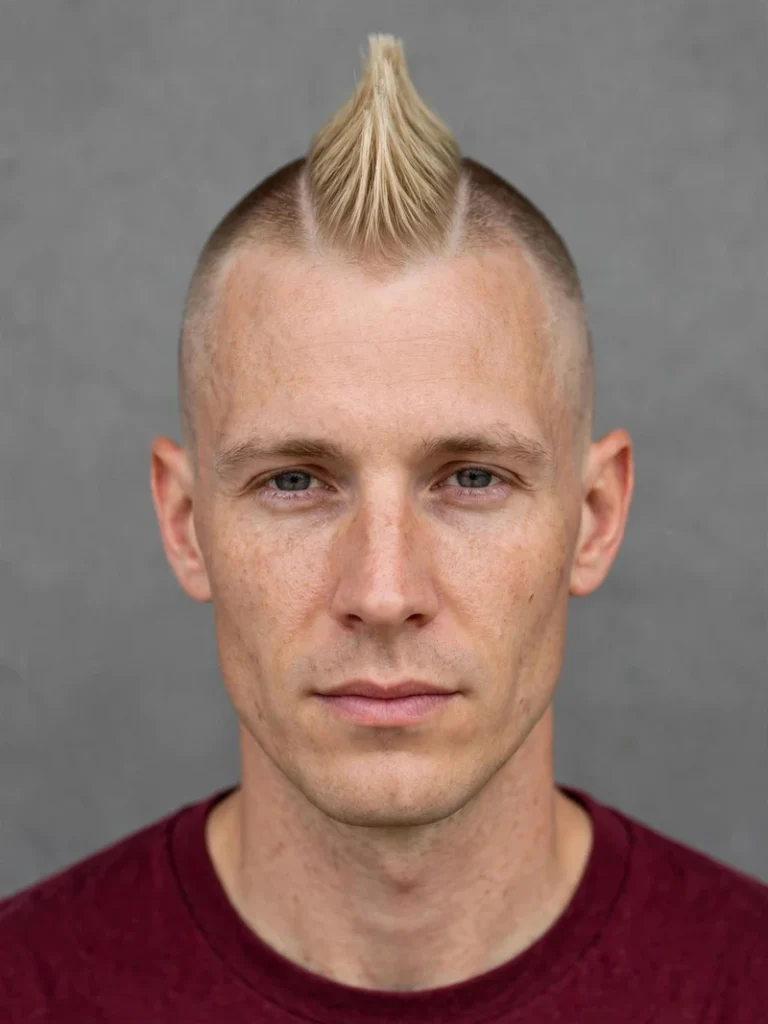
Narrow strip forms about two inches tall, down the centre of the head. Hair in the strip stands up, with the front edge higher than the back. Sides fade down to skin, with the blend starting around the temples. Back follows the same short blend to a clean neckline. Hairline shows a clear edge where the strip meets the faded sides. Compared with a faux hawk, the strip stays narrow.
Keep the strip narrow, because a wide strip looks like a faux hawk. Ask the barber to fade the sides to skin, not to a taper. Work matte clay through damp hair, then push the strip up with fingers. Straight hair stands up best, while wavy hair needs more clay for height. Trim sides every two weeks, because the strip loses its edge fast.
Twist Top Mid Fade
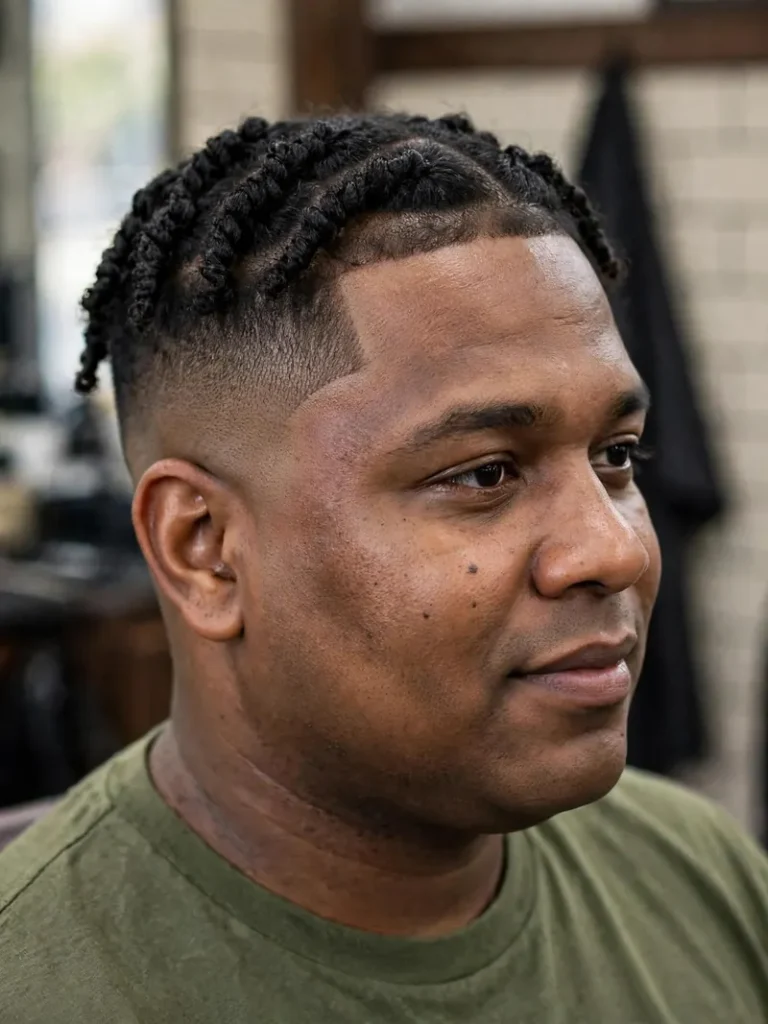
Texture leads this cut, with two-strand twists covering the top. Twists run about two inches long and sit in neat rows across the crown. Sides fade from short to shorter, starting around the temples, with clean edges. Back follows the same blend down to a tapered neckline. Hairline keeps a sharp edge, with twists starting just behind it. Compared with loose coils, the twists hold their shape longer between washes.
Apply light cream to damp twists, then let them dry without touching them. Touching twists while they dry pulls them apart, so hands stay off until they set. Ask the barber to keep the twists even in size, because uneven twists sit at different heights. Coily hair holds twists best, while straight hair needs a different top. Trim the sides every three weeks, because the fade blurs first.
Wave Pattern Fade
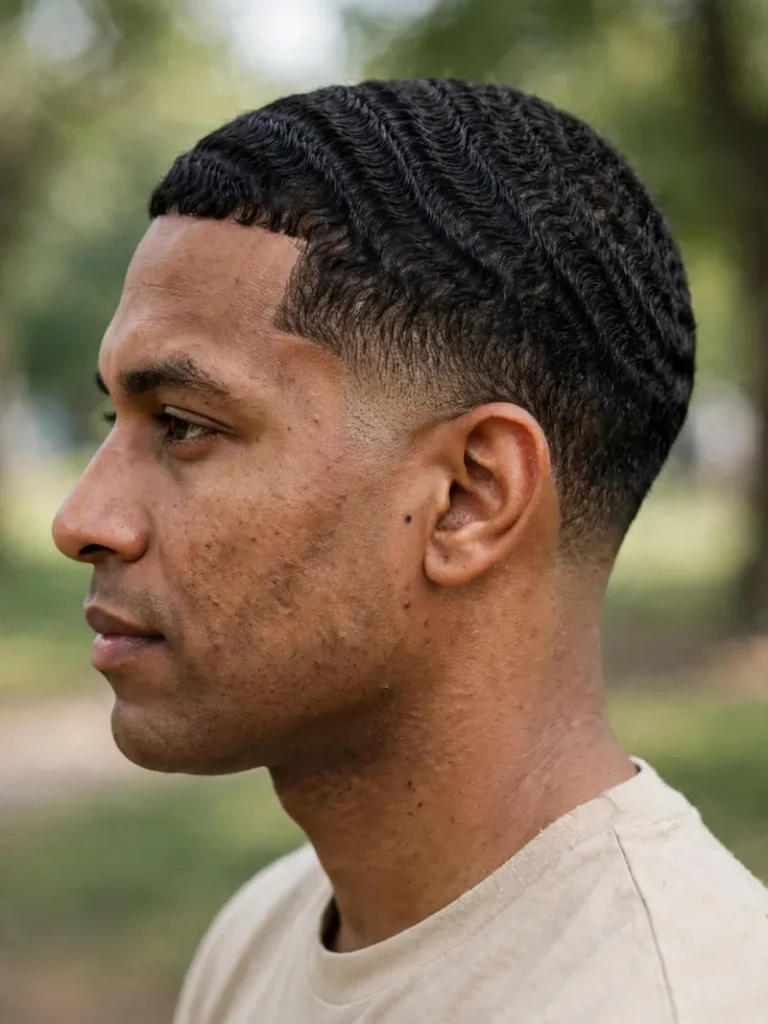
Waves form a rippled pattern across the top, with short hair brushed in circles. Top stays near half an inch, with the pattern running front to crown. Sides fade from short to shorter, starting around the temples. Back blends down to a clean neckline. Hairline keeps a clean edge, with no stray length at the front. Compared with a plain buzz, the wave pattern gives short hair clear detail.
Ask the barber for a number 2 guard on top and a mid fade on the sides. Brush damp hair forward with a soft brush, then add light cream for hold. Wear a wave cap at night, because it keeps the pattern set while sleeping. Coily and wavy hair form waves best, while straight hair needs more brushing. Trim every two weeks, because short hair loses its pattern fast.
Brushed Up Mid Fade

Direction sets this cut apart, with top hair brushed up and back from the forehead. Top runs about two inches long, with strands that lift at the roots. Sides fade from short to shorter, starting around the temples. Back follows the same blend down to a tapered neckline. Hairline stays open, with the lifted front showing the forehead. Finish looks matte, with the top holding its lift through the day.
Blow dry damp hair upward with fingers, then add matte clay for hold. Use heat protectant first, because heat dries hair out without it. Ask the barber to leave the front long enough to lift, so the shape holds. Straight hair lifts well here, while wavy hair needs more clay for the same height. Trim every three to four weeks, because the front drops as it grows.
Curly Fringe Mid Fade
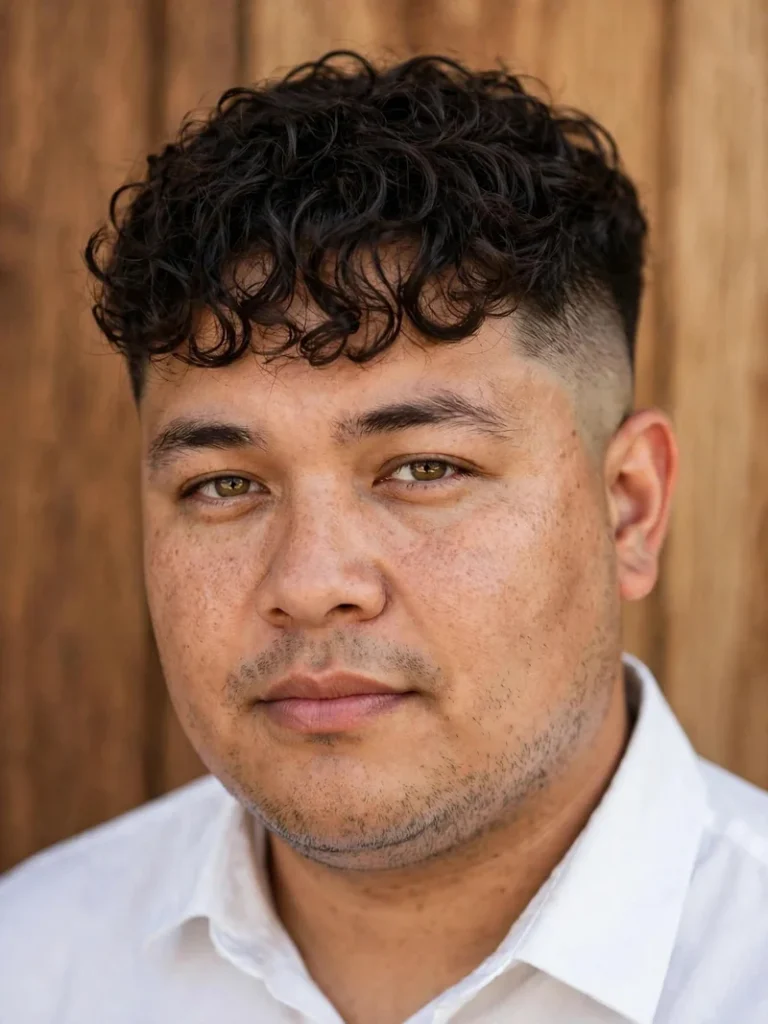
Curls run about two inches long on top and fall forward over the forehead. Fringe curls sit at different lengths, so the front looks soft and broken. Sides fade from short to shorter, starting around the temples. Back follows the same blend down to a clean neckline. Hairline hides under the curls, with no hard line at the front. Compared with curls swept back, the forward fringe covers more forehead.
Curly hair suits this cut best, while wavy hair needs more length to form the same curl. Ask the barber to cut curls dry, because wet curls spring up shorter as they dry. Apply light cream to damp curls, then scrunch gently with hands. Trim every four to five weeks, because curls hide growth well. Keep the fringe above the eyes, so it never blocks sight.
Coily Top Mid Fade
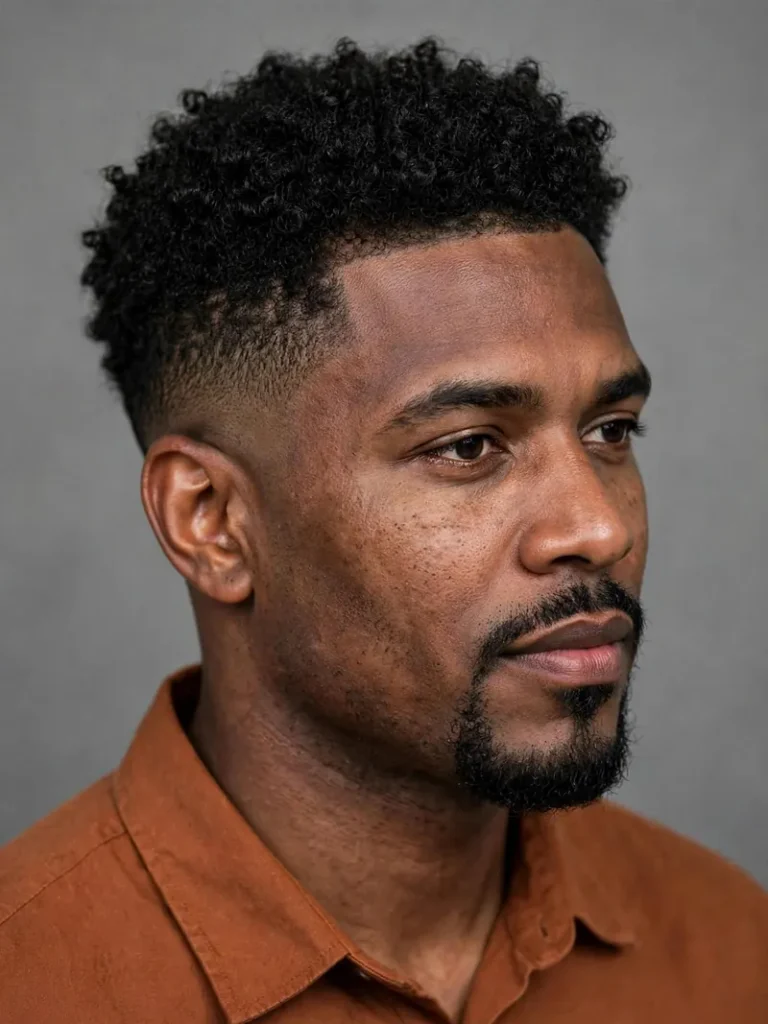
Coils form small springs that stand up, about one and a half inches long. Ends stay soft, with definition that shows in daylight. Sides fade from short to shorter, starting around the temples, with clean edges. Back follows the same blend down to a tapered neckline. Hairline keeps a sharp edge, with coils starting just behind it. Compared with a short afro, the faded sides keep the shape narrow.
Trim every three to four weeks, because the faded sides blur before the coils lose shape. Apply light cream to damp coils, then pick the shape gently with a wide comb. Ask the barber to keep the sides faded, not tapered, so the contrast stays clear. Coily hair holds this shape with moisture, while dry coils may need cream each morning. Use a soft brush, because hard brushing breaks coil definition.
Wavy Fringe Mid Fade

Fringe falls forward here, with wavy hair dropping from the crown. Waves break the fringe into soft pieces over the forehead. Sides fade from short to shorter, starting around the temples. Back follows the same blend down to a clean neckline. Hairline hides under the fringe, and the neckline keeps a tapered edge. Compared with a straight fringe, the waves give the front more movement.
Request a fringe with point cutting, which means snipping into the ends for softness. Shorter fringe keeps the waves above the brows, while longer fringe covers more of the forehead. Work sea salt spray through damp hair, then let it air dry. Wavy hair suits this fringe best, while straight hair needs spray to hold the wave. Trim every four weeks, because the fringe grows into the eyes first.
Textured Quiff Fade
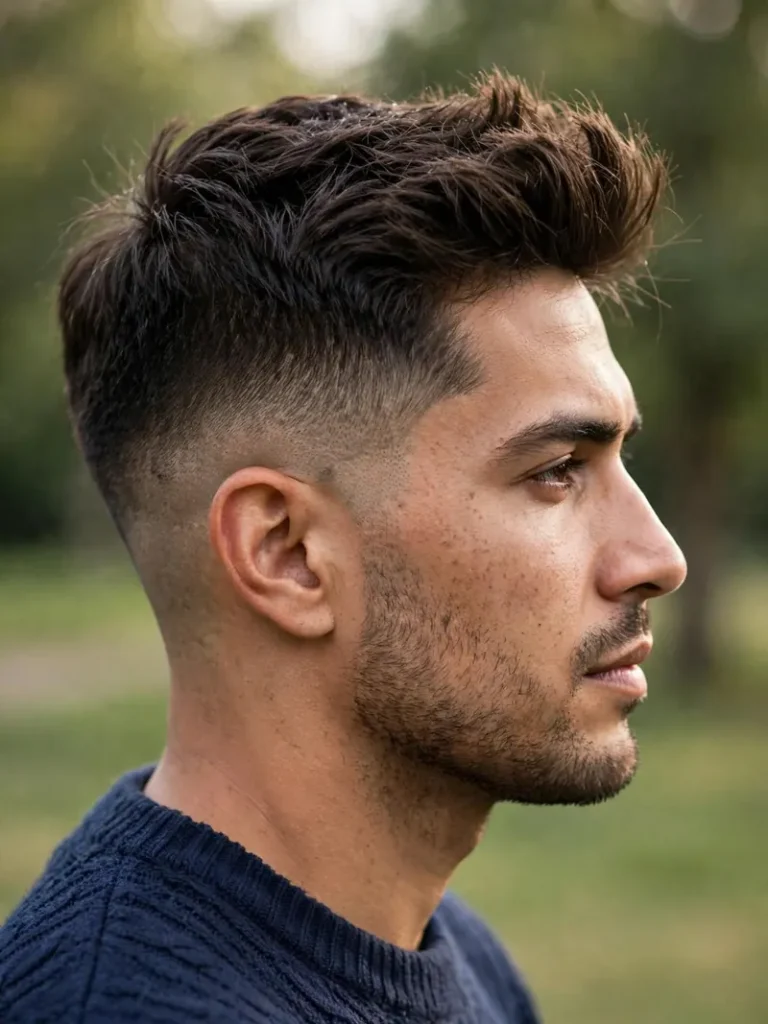
Lift starts at the front, with hair about two and a half inches sweeping up and back. Quiff means front hair rises and rolls back, with choppy ends that break the line. Sides fade from short to shorter, starting around the temples. Back follows the same blend down to a clean neckline. Hairline shows a clear front edge. Compared with a smooth quiff, the choppy ends keep the lift light.
Blow dry the front up with a round brush, then work matte clay through the roots. Use heat protectant first, because heat dries hair out without it. Ask the barber to texture the top, so the lift stays light and never looks heavy. Wavy and thick hair hold a quiff well, while fine hair needs a lighter product. Trim every three weeks, because the fade softens and the front drops as it grows.
Messy Top Mid Fade

Texture runs through the top here, with uneven pieces about two inches long. Pieces fall in different directions, with wavy strands that lift at the roots. Sides fade from short to shorter, starting around the temples. Back follows the same blend down to a tapered neckline. Hairline stays natural, with pieces falling softly near the forehead. Compared with a neat crop, the uneven pieces give the top more movement.
Rub a pea-sized amount of matte clay through damp hair, then push strands in varied directions. Too much clay flattens the pieces, so start small and add more only when needed. Ask the barber for texture through the ends, so the top keeps movement. Wavy hair takes this shape well, while straight hair needs clay to stop pieces falling flat. Trim every four to five weeks, because texture grows out gently.
Slicked Top Mid Fade

Finish leads this cut, with a smooth top that shines under light. Top runs about three inches long and combs straight back in one even line. Sides fade from short to shorter, starting around the temples. Back follows the same blend down to a clean neckline. Hairline stays open, with hair pulled back to show the forehead. Compared with a brushed back taper, the faded sides give stronger contrast.
State a mid fade on the sides and three inches left on top. Comb damp hair straight back with a comb, then add pomade for hold and shine. Use a small amount first, because too much pomade makes hair look wet. Straight hair slicks back well, while thick hair may need thinning to lie flat. Trim the sides every three weeks, because the fade blurs before the top loses shape.
Pompadour Mid Fade

Roll rises up and back, with front hair about three inches long. Front sweeps up, then curves back over the crown in one smooth shape. Sides fade from short to shorter, starting around the temples. Back follows the same blend down to a clean neckline. Hairline shows a clear front edge, with the roll rising just behind it. Compared with a quiff, the roll curves back more.
Straight hair rolls well, while wavy hair needs more pomade to hold the shape. Blow dry the front up and back with a brush, then add pomade for hold. Use heat protectant first, because heat dries hair out without it. Ask the barber to keep the front long, so the roll has enough length to curve. Trim every three to four weeks, because the roll falls as the front grows.
Shadow Mid Fade
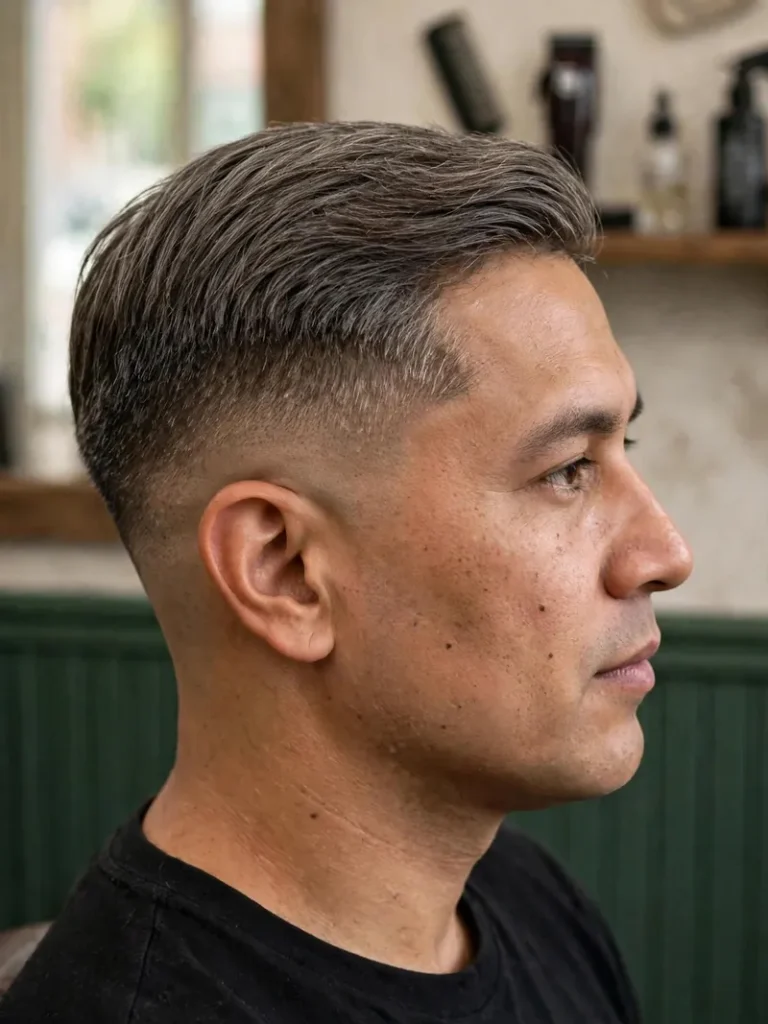
Contrast stays soft here, with sides that fade without showing bare skin. Shadow fade means the blend stays dark, with no skin showing at the bottom. Top runs about one inch long and combs to one side. Blend starts around the temples and moves down to short length. Back follows the same soft blend to a clean neckline. Compared with a skin blend, the dark sides need less upkeep.
Grey and dark hair both suit this soft blend, because the dark sides hide growth well. Ask the barber for a shadow fade, not a skin fade, so no skin shows. Comb damp hair to one side with a comb, then add light cream for hold. Trim every three to four weeks, because the soft blend grows out gently. In this soft form, a mid fade haircut suits office days and weekends alike.
Razor Line Mid Fade
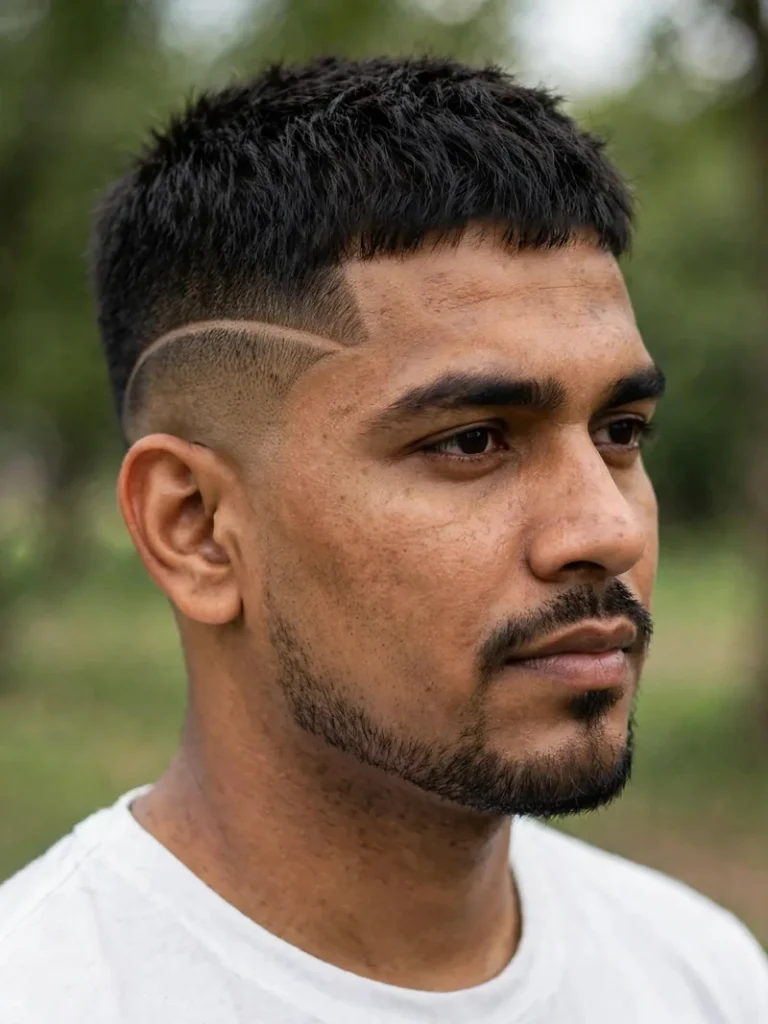
Line curves above the ear, a thin shaved mark in the faded sides. Razor line means a clean line cut into the faded sides with a razor. Top runs about one inch long, with short textured ends. Blend starts around the temples and moves down to short length. Back follows the same blend down to a clean neckline. Compared with a plain mid fade, the line adds a clear mark.
Book a trim every two weeks, because the shaved line grows in first and blurs fast. Ask the barber to cut the line with a razor, not clippers, so the edge stays crisp. Keep the line thin, because a thick line looks heavy against the fade. Work matte clay through damp hair, then push the top forward with fingers. Straight hair shows the line best, while curly hair needs a longer top.
Mid Fade Flat Top
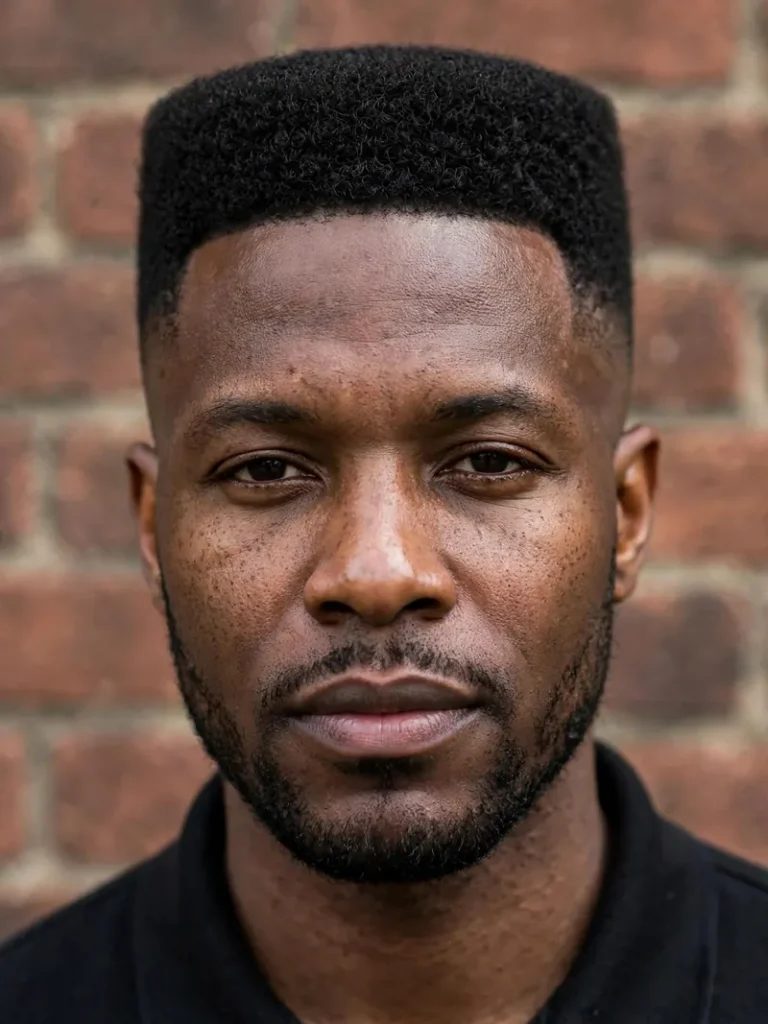
Level surface sits about one and a half inches high. Flat top means the top is cut flat, not rounded at the edges. Sides fade from short to shorter, starting around the temples. Back follows the same blend down to a clean neckline. Hairline keeps a straight edge, with the flat top just behind it. Compared with a rounded afro, the level top gives a sharper line.
Name a flat top with faded sides, not tapered sides, so the square shape stays clear. Brush damp hair up with a brush, then smooth the surface with a small amount of light cream. Coily and curly hair hold a flat top well, while straight hair needs clay to stand up. Trim every two to three weeks, because the flat line loses its edge fast. Keep the top level, because rounded edges turn it into a different cut.
Mid Fade Crew Cut

Sides fade from short to shorter, starting around the temples and ending near the ears. Top stays near one inch long, with a slight lift at the front. Back follows the same blend down to a clean tapered neckline. Hairline stays natural, with no hard line at the forehead. Finish looks matte, with the even top lying flat. Compared with a buzz top, the front lift gives more shape.
Clip the top with a number 4 guard and fade the sides from the temples. Guard means a clipper guide that sets hair length. Rub matte clay through damp hair, then push the front up lightly. Straight and fine hair suit this cut, because short length adds a sense of fullness. Trim every two to three weeks, because the faded sides show growth fast. With this short top, a mid fade haircut needs almost no styling time.
Mid Fade Buzz Top
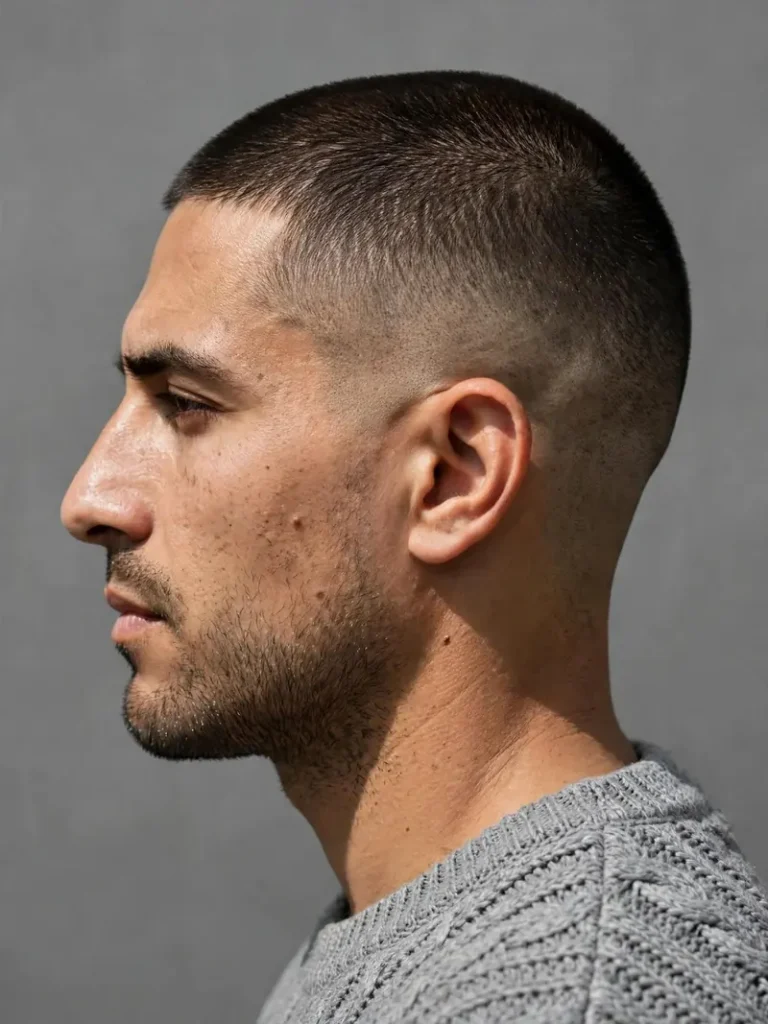
Finish stays matte and even here, with no product needed at all. Top runs near a quarter inch long, clipped to one even length across the whole head. Sides fade from short to shorter, starting around the temples. Back follows the same blend down to a clean neckline. Hairline stays natural, with no line drawn across the forehead. Compared with a crew cut, the buzz top keeps one length everywhere.
Wash and towel dry, then leave hair as it dries, because no styling is needed. Ask the barber for a number 2 guard on top and a mid fade on the sides. Coily, curly, straight, and wavy hair all take this even shape. Trim every two weeks, because even a small amount of growth changes the outline. Common mistake is asking for one guard all over, which removes the fade.
Mid Fade Ivy Cut
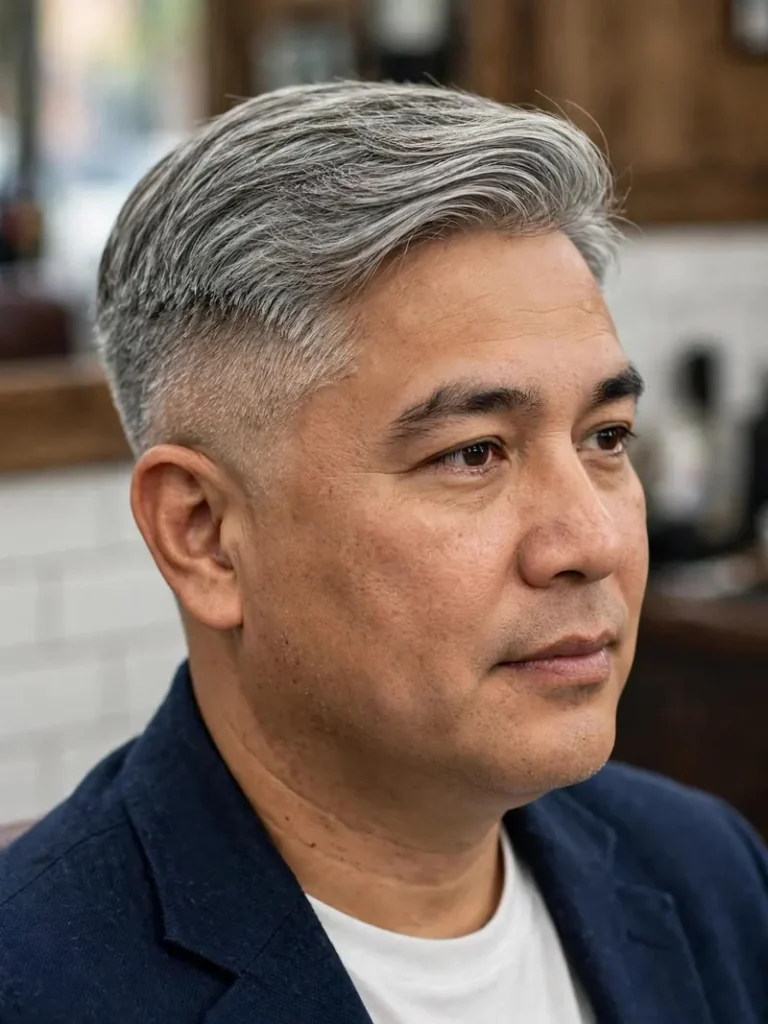
Sweep moves softly to one side, brushing across the forehead. Top runs about one and a half inches long, with a gentle side sweep. Sides fade from short to shorter, starting around the temples. Back follows the same blend down to a clean neckline. Hairline stays natural, with the top brushed away from the forehead. Compared with a side part, the sweep stays softer and the part stays less clear.
Comb damp hair to one side with a comb, then add light cream for a soft hold. State one and a half inches on top and a mid fade on the sides. Straight hair sweeps well, while thick hair may need thinning near the crown to lie flat. Trim every four weeks, because the fade grows out faster than the top. Keep the sweep soft, because a hard part turns it into a different cut.
Mid Fade Caesar
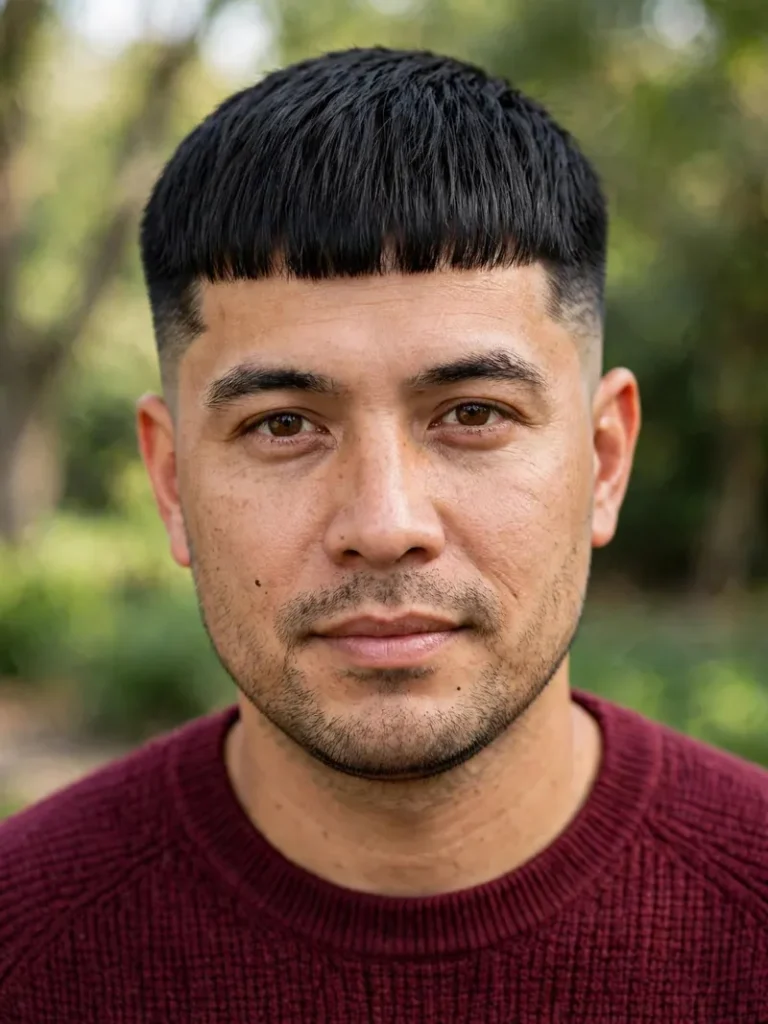
Hairline forms a straight edge across the forehead, with a short fringe covering it. Fringe runs about one inch long and brushes straight forward. Sides fade from short to shorter, starting around the temples. Back follows the same blend down to a clean neckline. Top stays near one inch long, with a smooth even surface. Compared with a French crop, the fringe lies smoother and the ends stay less choppy.
Comb damp fringe forward with fingers, then let it dry, because no product is needed on most days. Ask the barber for a straight hairline, not a curved one, so the fringe sits even. Straight hair lies flat well, while wavy hair may need light cream to stop the fringe lifting. Trim every three weeks, because the fringe grows into the eyes. Keep the fringe above the brows, so it never blocks sight.
Mid Fade Spiky Top

Spikes stand up here, about one inch long across the crown. Each spike points upward, with textured ends that stay apart. Sides fade from short to shorter, starting around the temples. Back follows the same blend down to a clean neckline. Hairline keeps a soft edge, with spikes rising just behind the forehead. Compared with a messy top, the spikes point up in one direction.
Wavy hair needs more clay here, while straight hair spikes with less product. Rub matte clay through dry hair, then pinch small sections upward with fingers. Ask the barber to point cut the ends, which helps the spikes stand apart. Trim every three weeks, because longer spikes fall flat. Use a small amount of clay, because too much weighs spikes down.
Mid Fade Curtain Top
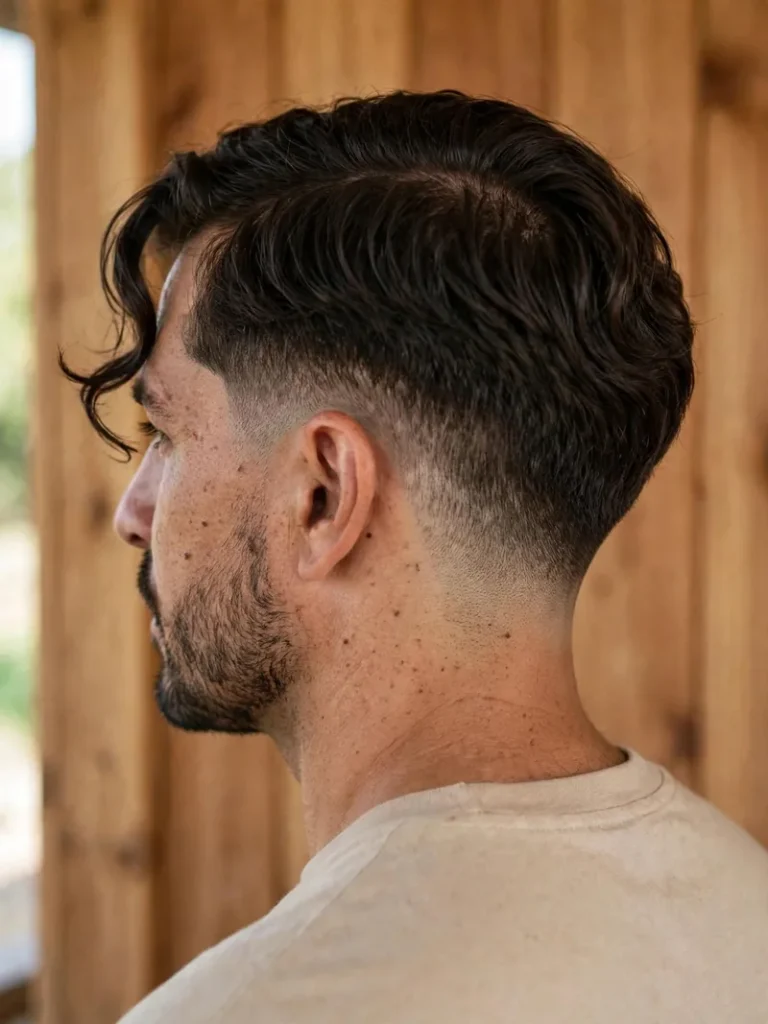
Centre part splits the top, with wavy hair falling to each side. Top runs about three inches long, with waves that lift at the roots. Sides fade from short to shorter, starting around the temples. Back follows the same blend down to a clean neckline. Hairline shows at the centre part, with strands framing the face. Compared with a side sweep, the centre part splits the top evenly.
Book trims every four to five weeks, because the faded sides grow out before the top loses shape. Part damp hair down the middle, then work matte clay through the lengths. Ask the barber for curtain length on top, with sides faded from the temples. Wavy hair suits this part best, while straight hair needs sea salt spray for wave and hold. Keep the part in the middle, because a side part changes the whole fall.
Conclusion
Most disappointments with fades come from vague instructions rather than bad barbers. Name the blend height, say how many inches should stay on top, and mention whether the neckline should taper or square off. A mid fade haircut then behaves predictably, and the grow-out stays tidy for two to three weeks before a refresh. Short tops need little more than a pea-sized amount of matte clay, while longer tops enjoy a light heat protectant and a quick blow-dry. Check the blend in the mirror before you leave the chair.
About Me
Hi, I am Beck, the voice behind Hairzaa. I share simple, real-life hairstyles, cuts and color ideas that busy women can actually do, because confidence starts in the morning mirror. Every style here is tested in real life first, so you can look beautiful without the fuss.
2 Comments