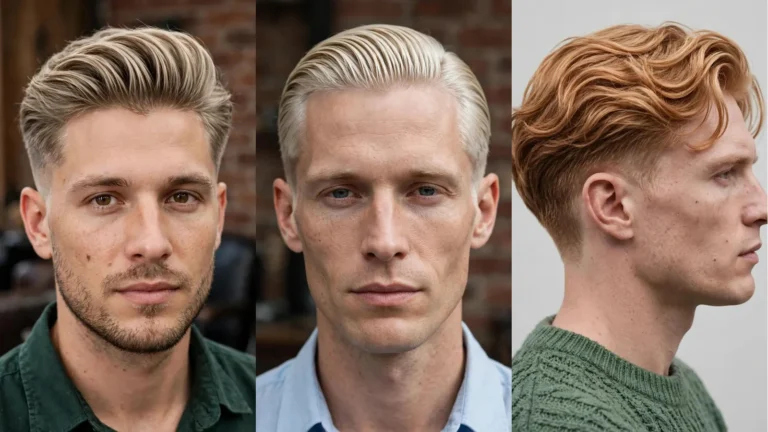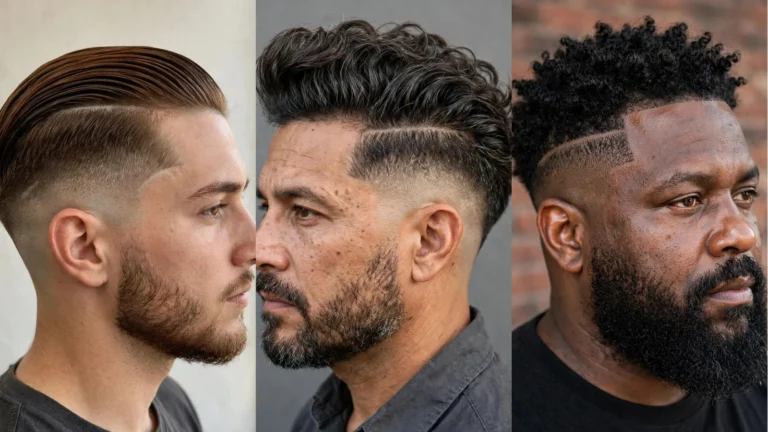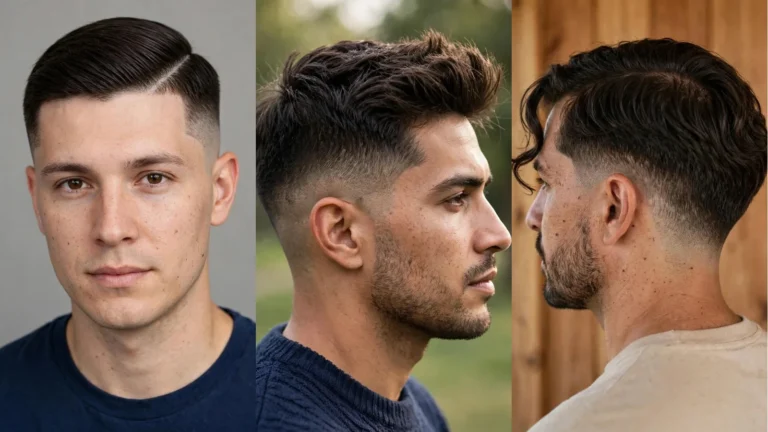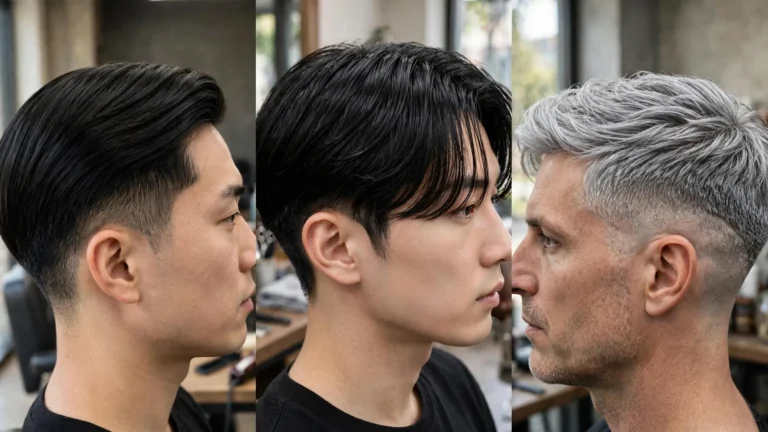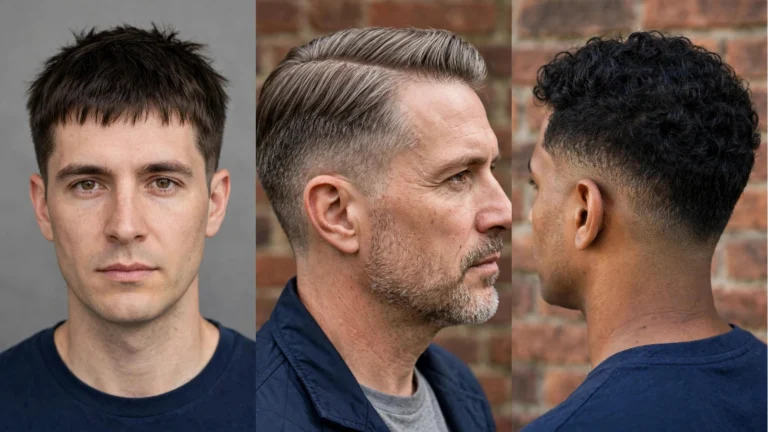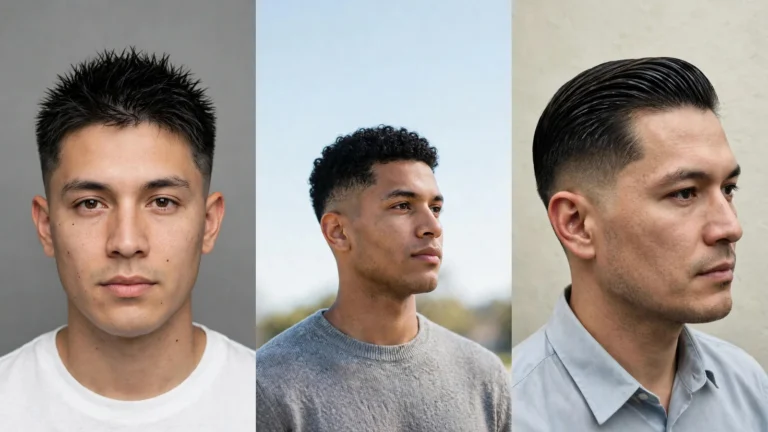
Hair that looks slightly undone often takes the most skill to cut, and shaggy styles prove it. Mens shaggy hairstyles rely on layers that remove weight, add movement, and let natural texture do the styling for you. Straight hair gets visible separation, wavy hair gets softer bends, and curls gain shape without bulk. Lengths range from a short feathered crop to flowing strands past the collar, so there is room for office-friendly and weekend versions alike. Read on for fringe ideas, product tips, and barber requests that make a layered shag haircut easy to wear and easy to grow out.
1. Soft Layered Shag with Curtain Fringe
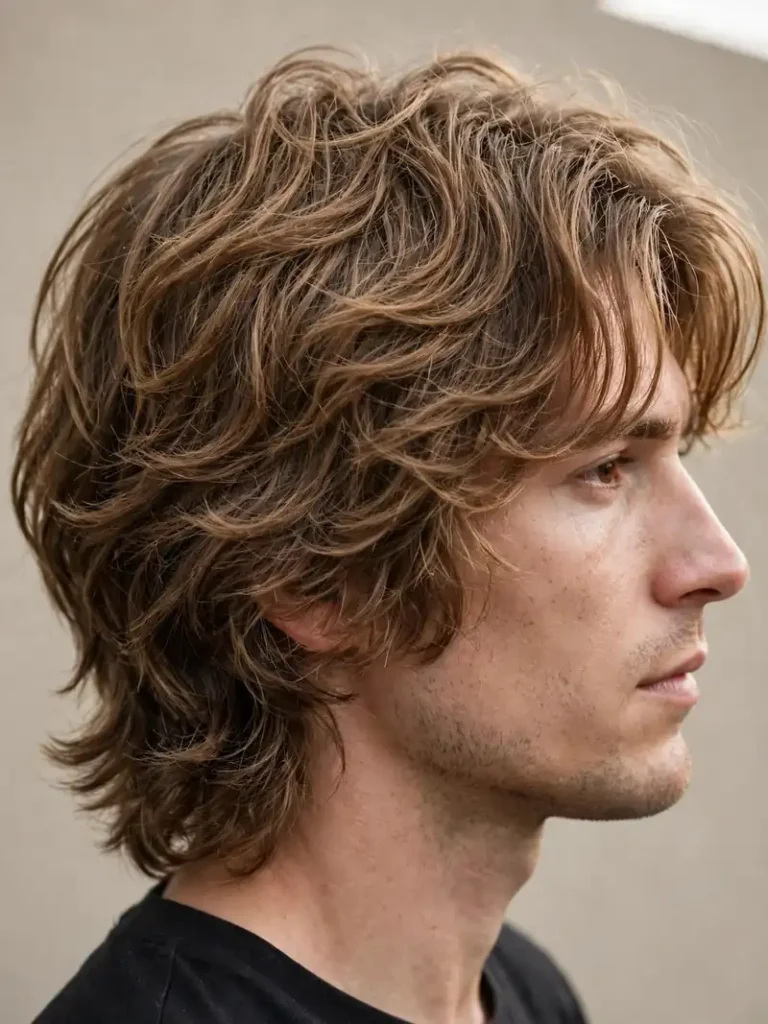
Soft layers fall around forehead and cheeks, forming a gentle curtain fringe that frames eyes without hiding them. Longer pieces through crown add movement, while shorter layers underneath keep bulk controlled and shape light. Wavy or straight hair both suit this cut, especially when ends receive light texturising during trimming. Blow drying with fingers, plus a pea-sized amount of matte cream, keeps fringe separated and naturally soft.
2. Choppy Feathered Crop
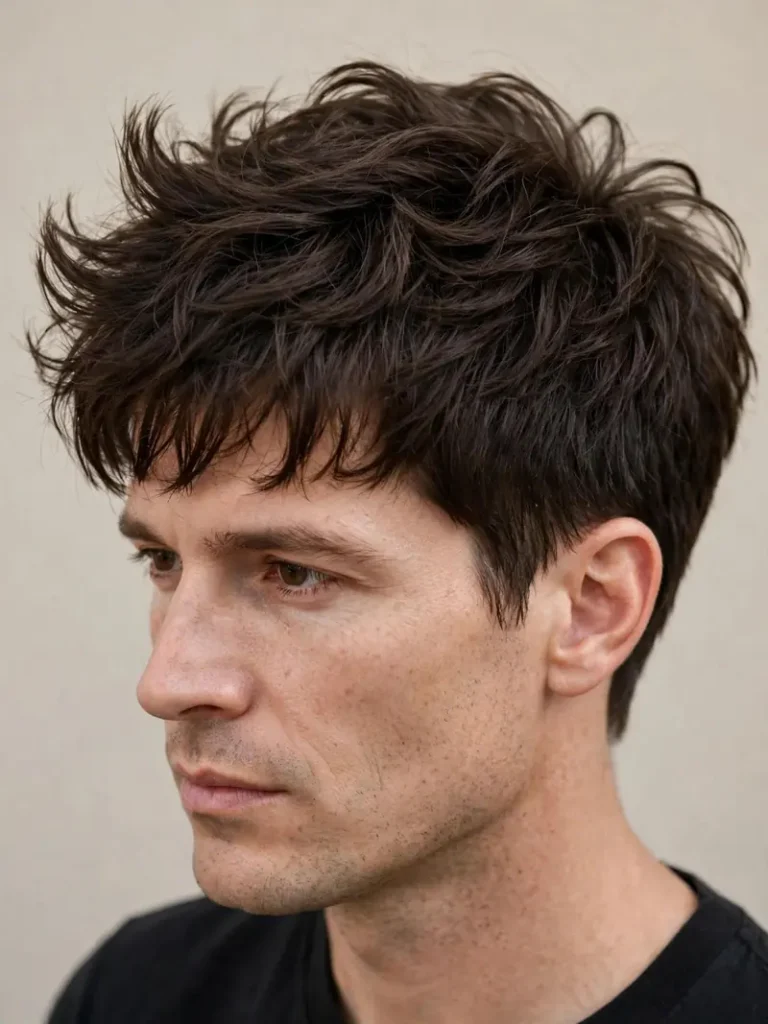
Choppy texture defines this short crop, where feathered ends create lift across crown and temples. Sides stay close without looking severe, giving neatness that still feels relaxed and modern. Straight hair shows crisp separation best, while fine hair gains visible fullness from layered ends. Rubbing a small amount of styling clay through damp hair, then air drying, preserves piecey definition throughout day.
3. Flowing Collar-Length Shag

Longer strands sweep past ears and brush collar, creating a flowing silhouette with soft, uneven ends. Layers begin near cheekbones, removing weight while preserving length and natural swing. Wavy hair enhances movement, although straight hair can achieve similar flow with light layering and careful blow drying. Sea salt spray worked through damp lengths adds texture, while occasional trims prevent ends from looking thin or straggly.
4. Textured Mid-Length Shag with Side Sweep
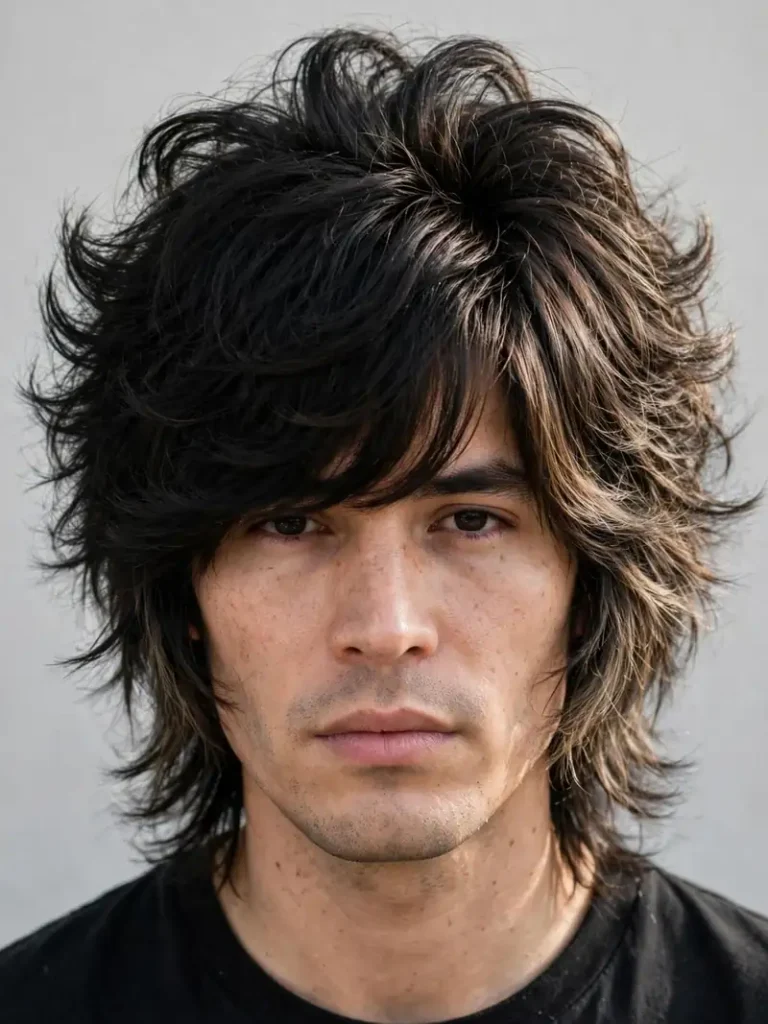
Brushed across forehead from a side part, this mid-length shag balances volume on one side with lighter layers opposite. Crown layers lift roots, while longer cheek pieces soften jawline and add gentle framing. Thick hair benefits most, since internal layering removes bulk without sacrificing shape. Drying hair in sweep direction, then finishing with light pomade, keeps strands controlled yet touchable all day.
5. Wavy Shag with Broken Layers

Curved layers follow natural wave patterns, breaking up bulk and encouraging bends to form distinct, separated ribbons. Length sits around ears and nape, giving enough weight for waves to spring without collapsing. Medium to thick wavy hair suits this shape best, particularly when layers respect each wave’s natural fall. Scrunching curl cream into damp hair, then diffusing gently, defines waves while preserving soft, lived-in movement.
6. Short Shag with Wispy Bangs

Wispy bangs skim eyebrows in uneven, feathered points, softening forehead while keeping eyes clearly visible. Short layers across crown add height, while tapered sides maintain a tidy outline without sharp lines. Fine or straight hair works well here, since wispy ends create lightness rather than heavy coverage. Styling takes minutes: finger comb damp hair forward, add a drop of light serum, and allow texture to settle.
7. Curly Shag with Rounded Volume
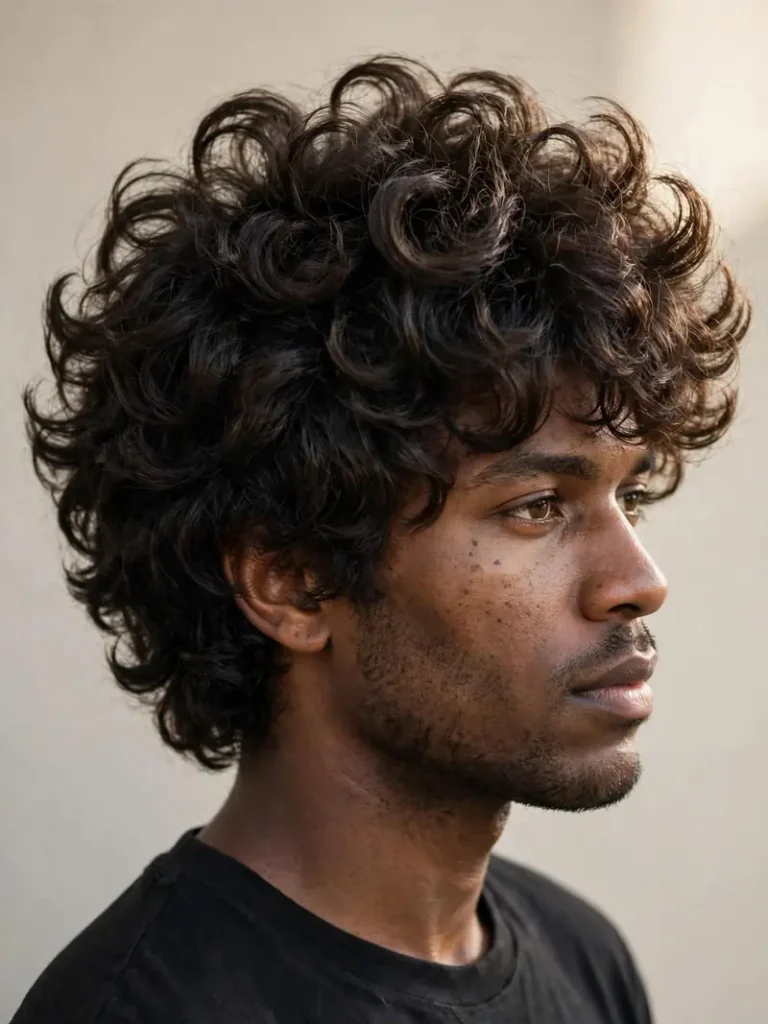
Rounded volume shapes curls into a soft, balanced outline that lifts at crown and tapers gently near ears. Layers cut into curl patterns prevent triangular bulk, letting each curl cluster sit naturally. Curly and coily textures suit this cut best, especially with regular hydration keeping curls defined. Applying leave-in cream to soaking hair, then diffusing on low heat, preserves bounce while reducing frizz throughout day.
8. Long Shag with Face-Framing Layers
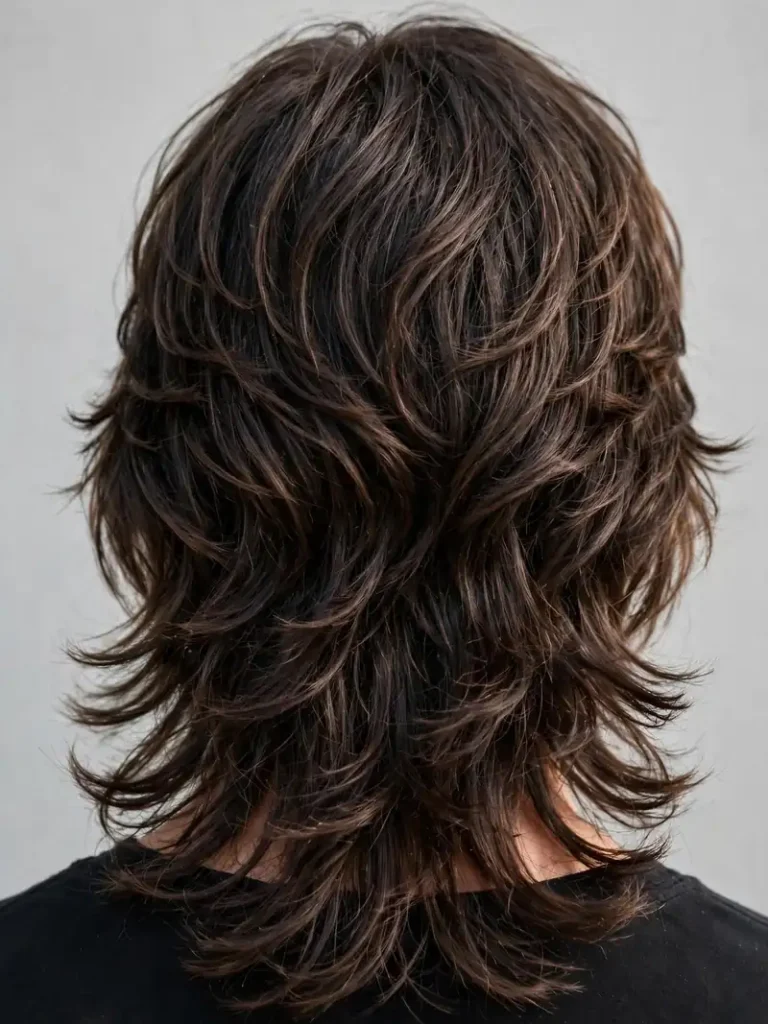
Longer face-framing pieces begin near cheekbones and cascade past shoulders, blending into layered lengths behind. Internal layers remove heaviness, allowing long hair to move freely without losing its flowing shape. Thick or wavy hair carries this length best, while finer hair needs careful layering to avoid thin-looking ends. Air drying with a little styling cream keeps layers separated, and trimming every eight weeks maintains healthy, even ends.
9. Disconnected Shag with Heavy Top Layers
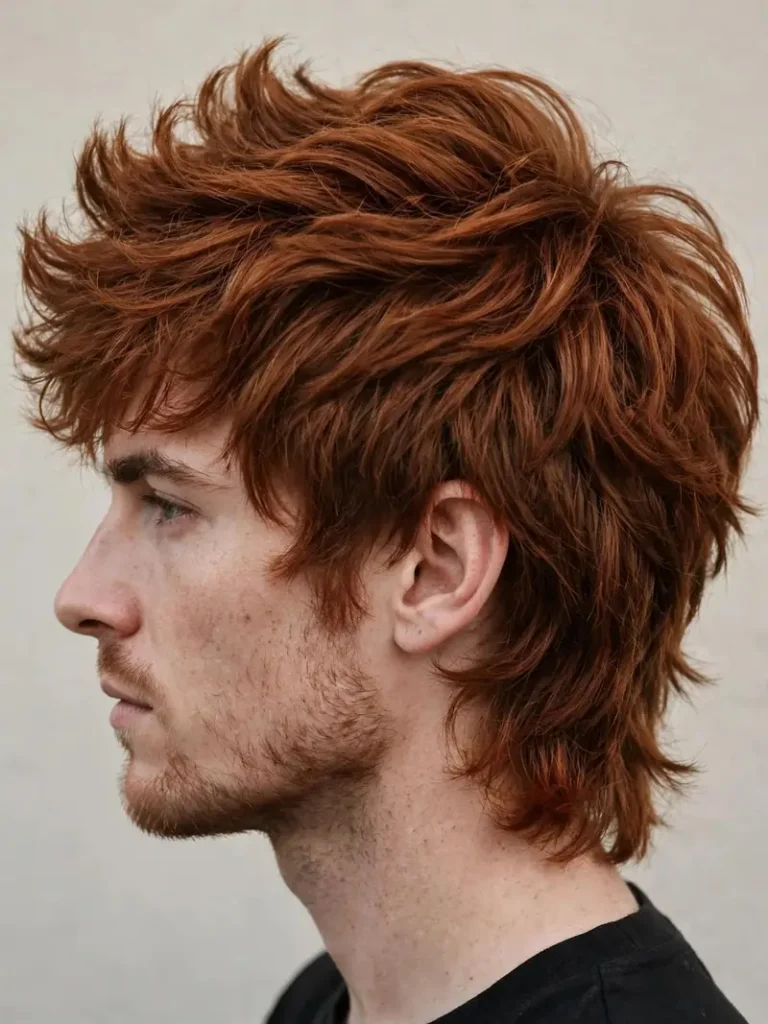
Disconnected layers create bold separation between a fuller top and shorter, textured sides. Longer crown pieces fall over shorter layers beneath, producing visible steps that feel deliberate rather than messy. Straight or slightly wavy hair shows contrast most clearly, while thick hair holds dramatic shape well. Styling with matte paste emphasises separation, and blow drying crown forward adds height without stiffening ends.
10. Tousled Shag with Natural Movement

Effortless movement defines this tousled shag, where uneven layers encourage hair to fall in relaxed, irregular directions. Medium length around ears and nape keeps shape versatile, suiting both casual days and smarter occasions. Naturally wavy hair needs least effort, although straight hair gains similar texture from point cutting. Tousling damp hair with fingers and sea salt spray, then letting it dry naturally, creates soft, believable volume.
11. Shag with Tapered Neckline
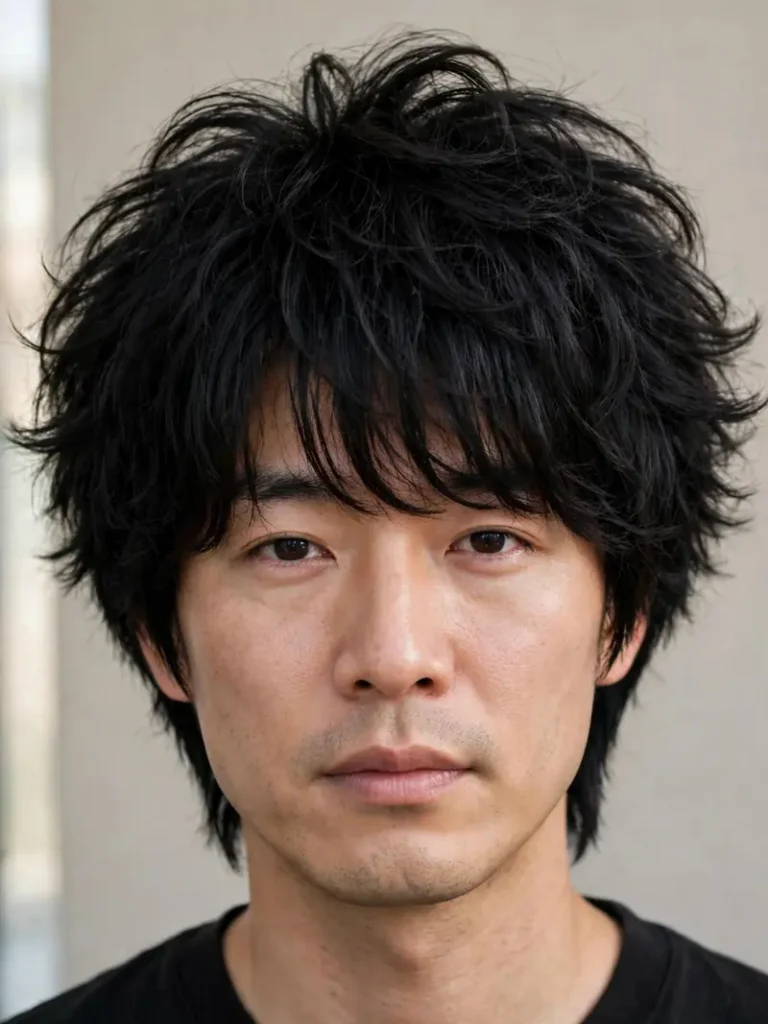
Neatly tapered neckline gives this shag a clean finish, contrasting with textured layers above. Sides graduate smoothly into nape, removing bulk while preserving shaggy character through crown and fringe. Straight or wavy hair both work, particularly for men who prefer tidy edges without a harsh fade. Asking a barber for a soft taper, rather than skin fade, keeps grow-out graceful and maintenance easy between visits.
12. Medium Shag with Centre Parting
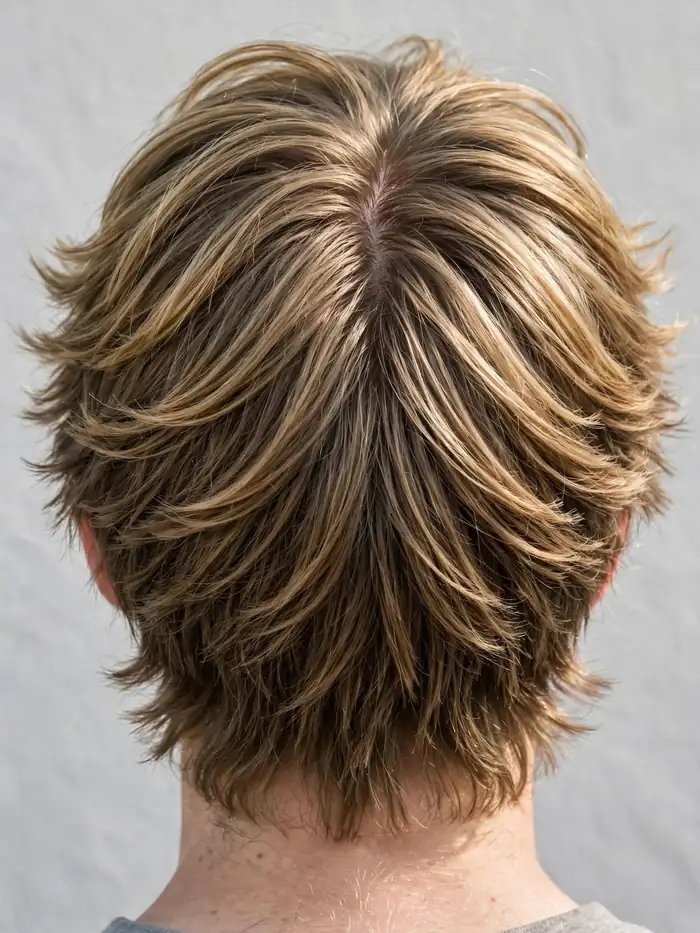
Central parting divides medium layers evenly, framing both sides of face with symmetrical, feathered strands. Length reaches ears and collar, while crown layers add lift without creating excessive height. Oval and longer faces suit balanced framing well, since even sides soften features rather than narrowing them. Parting damp hair centrally, then blow drying each side away from face, sets a clean, polished shape.
13. Shag with Short Sides and Long Top
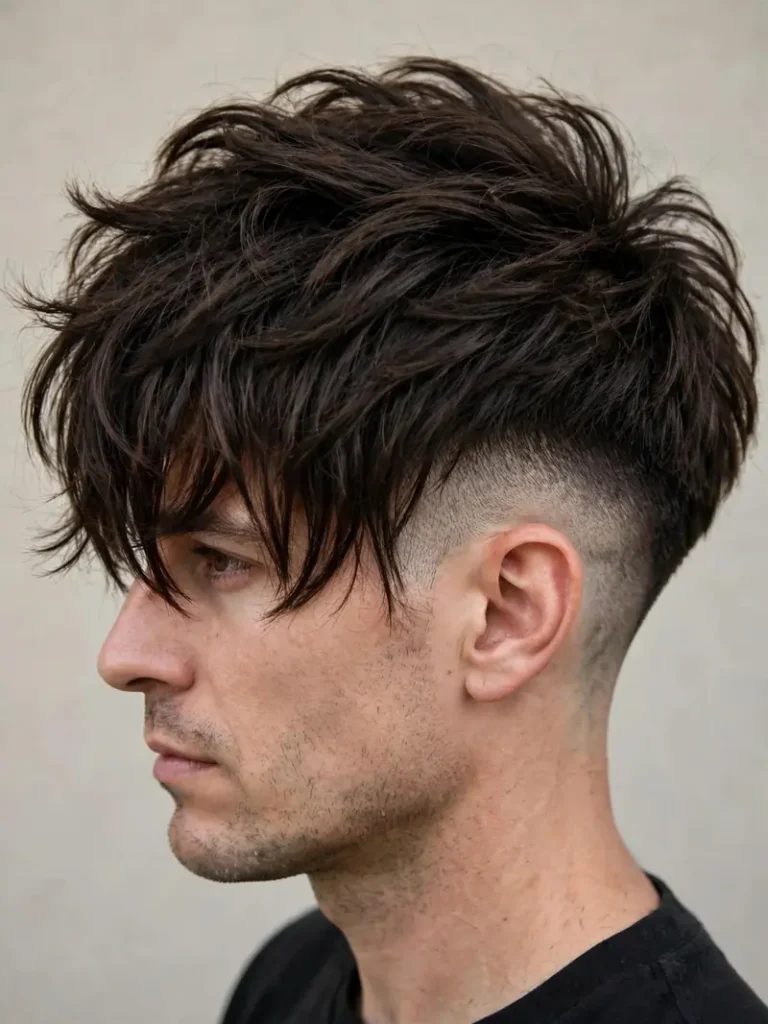
Short sides contrast with a considerably longer top, creating clear shape while keeping shaggy texture visible above. Crown layers fall forward or sideways, offering styling flexibility across different occasions. Thick, straight hair holds this contrast best, although wavy hair adds extra movement to longer top sections. Keeping sides trimmed every few weeks preserves definition, while top needs only light product for separation.
14. Shaggy Wolf Cut with Heavy Layers
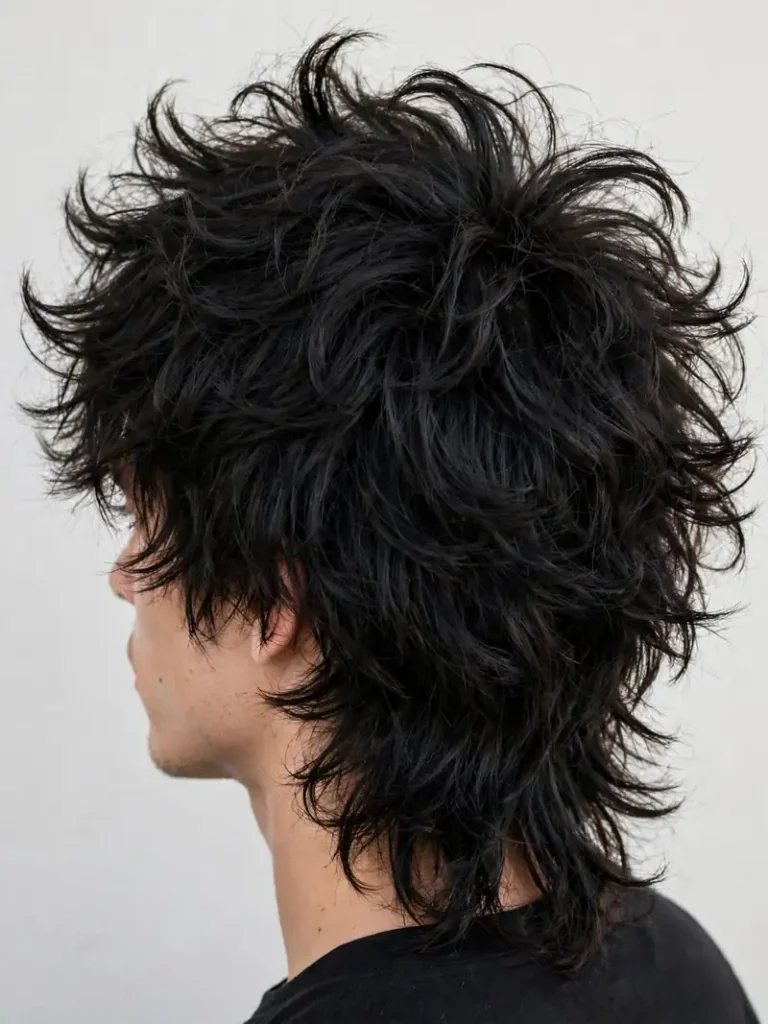
Heavy layers stack through crown and sides, creating a wild, voluminous wolf-inspired silhouette with pronounced texture. Longer back sections extend toward nape, while shorter top layers lift and separate dramatically. Thick or wavy hair supports bold volume best, since finer hair may need styling products for similar fullness. Blow drying upside down boosts roots, and matte clay helps define layered points without weighing hair down.
15. Fine-Hair Shag with Airy Texture
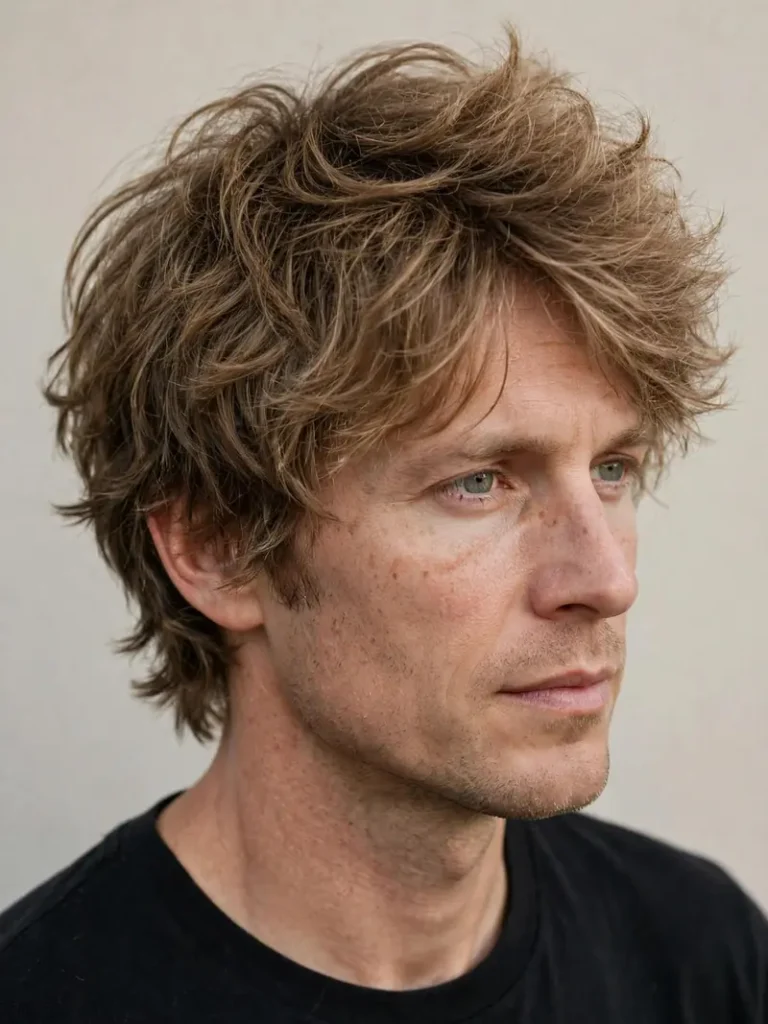
Airy layers add lift to fine hair without removing too much weight, creating fuller-looking texture across crown. Shorter pieces underneath support longer strands above, preventing flatness at roots. Fine or thinning hair benefits most, especially when ends stay blunt enough to suggest density. Volumizing mousse applied at roots before blow drying gives lasting lift, while overloading products should be avoided.
16. Shag with Low Fade and Textured Top

Low fade begins just above ears, blending gradually into a textured shaggy top with choppy, separated layers. Fade keeps sides tidy, while longer crown pieces preserve relaxed shag character and styling freedom. Straight or wavy hair both suit this combination, particularly for men wanting neat edges with casual length above. Maintaining fade every two to three weeks keeps blend sharp, while top styling needs only matte paste.
17. Shag with Slicked-Back Crown
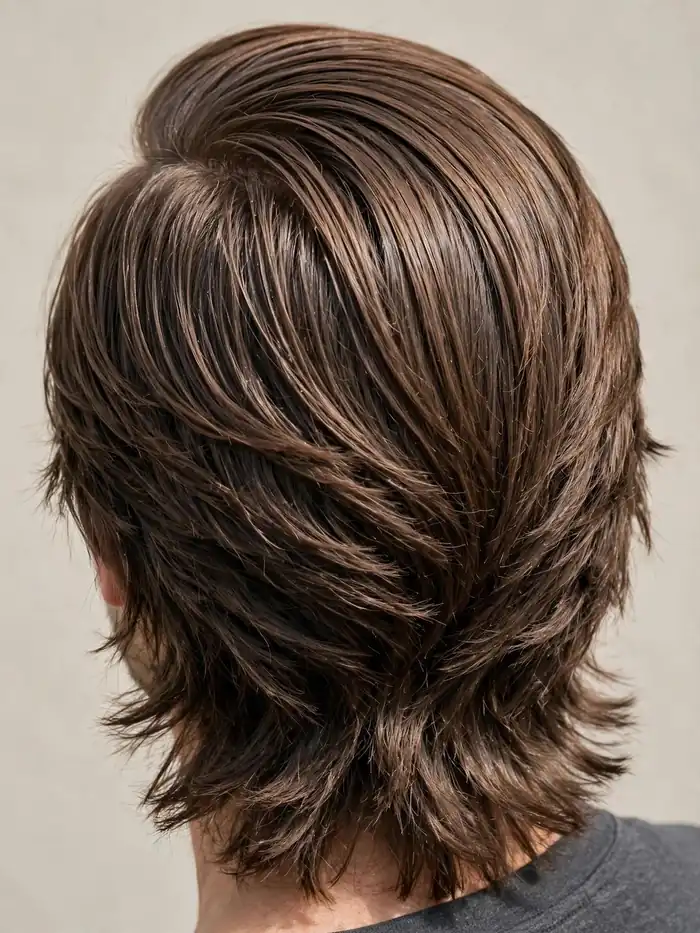
Brushed backward from forehead, longer crown layers create a smooth, swept shape with shaggy texture underneath. Sides retain layered length rather than a severe undercut, keeping overall look relaxed instead of formal. Straight or wavy hair slicks back most easily, especially with medium hold pomade and a comb. Drying hair backward with a brush sets direction, while a small amount of product adds shine without stiffness.
18. Beachy Shag with Salt-Air Texture

Sun-lightened texture and loose, separated layers give this shag a relaxed coastal feeling without looking unkempt. Length sits around ears and collar, allowing natural waves to form soft, irregular bends. Wavy hair suits this finish best, although straight hair can gain similar movement from salt spray and scrunching. Working salt spray through damp hair and air drying preserves airy separation, while regular conditioning prevents dryness.
19. Shag with Undercut and Flowing Top
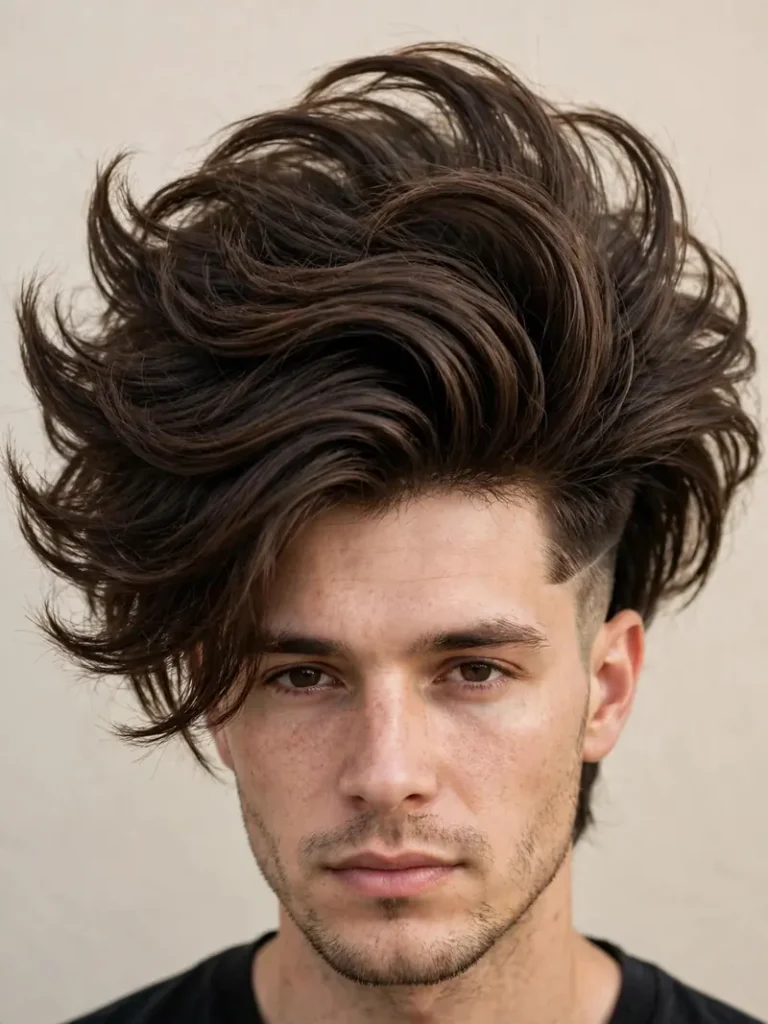
Undercut sides sit close beneath a flowing top, creating strong contrast between neat edges and longer layered strands. Top layers sweep backward or sideways, showing movement while undercut keeps bulk controlled. Thick hair benefits most, since longer top needs enough density to fall naturally over shorter sides. Styling with light hold cream keeps top flexible, and regular undercut maintenance preserves clean separation.
20. Rounded Shag with Soft Edges
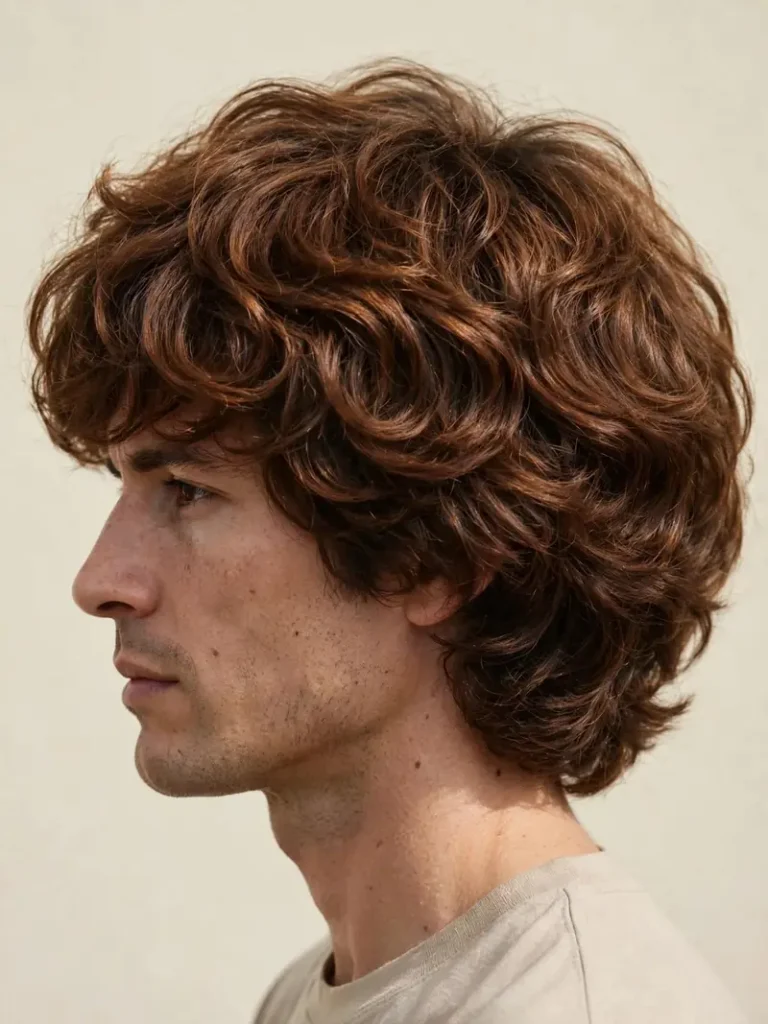
Rounded outline softens every edge, with layers curving gently around head to form a balanced, almost circular silhouette. Fringe blends into sides without harsh lines, giving a friendly, approachable finish. Most face shapes suit rounded softness, particularly angular jaws that benefit from curved framing. Blow drying with a round brush enhances curve, while light cream keeps ends smooth without flattening volume.
21. Shag with Side Part and Layered Fringe

Side parting anchors this shag, directing layered fringe diagonally across forehead with soft, separated points. Shorter layers on one side balance longer fringe opposite, creating a tidy yet textured shape. Straight hair parts cleanly, while wavy hair adds natural lift along parting line. Combing damp hair into place, then setting with light hold product, keeps parting defined without making hair look stiff.
22. Long Wavy Shag with Deep Texture

Deep texture runs through long wavy lengths, with layers cut at varying depths to encourage distinct wave formation. Longer lengths reach past collar, moving freely while layered ends prevent heaviness near shoulders. Naturally wavy or thick hair carries this length best, since waves add structure that straight hair often lacks. Curl-enhancing cream scrunched into damp lengths defines waves, and wide-tooth combing avoids disrupting natural pattern.
23. Short Textured Shag with Spiky Finish

Spiky finish lifts short textured layers upward, creating energetic separation across crown and fringe. Sides stay short and neat, emphasising height above while keeping outline tidy and clean. Straight or coarse hair holds spikes best, since natural stiffness supports lifted ends well. Working strong hold clay through dry hair, then pinching tips upward with fingertips, creates lasting definition through the day.
24. Shag with Curtain Bangs and Tapered Sides

Curtain bangs part centrally and sweep outward, framing eyes beautifully while tapered sides keep silhouette neat and balanced. Layers beneath bangs blend smoothly into sides, avoiding bulk around ears. Straight or wavy hair suits curtain shaping, particularly longer faces that benefit from horizontal framing. Blow drying bangs outward with fingers sets curtain shape, and light serum prevents flyaways without adding weight.
25. Messy Shag with Piecey Ends
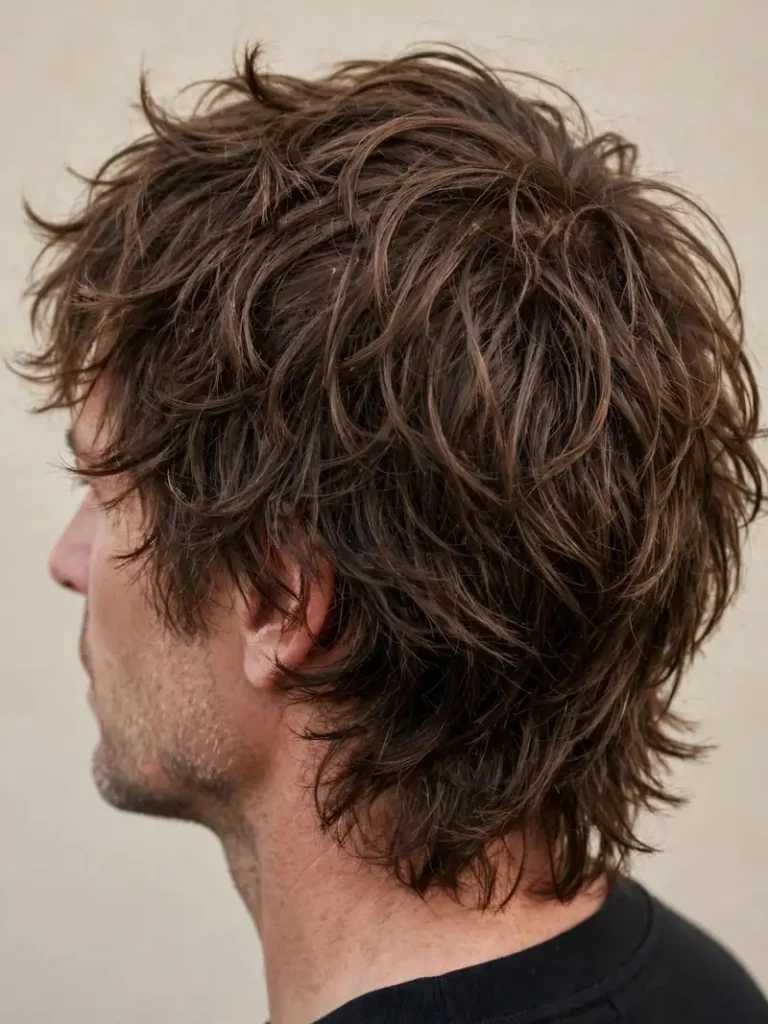
Piecey ends separate into distinct, irregular points, giving this messy shag a carefree yet intentional finish. Layers vary in length, preventing uniform shape and encouraging natural movement. Most hair textures suit piecey styling, although wavy hair naturally enhances separation most easily. Rubbing matte paste between palms, then twisting small sections at ends, creates definition while keeping overall look relaxed and textured.
Conclusion
Good shag hair comes down to a few habits: regular trims, light product, and patience while layers settle. Mens shaggy hairstyles look best when the cut follows your natural growth, so tell your barber how your hair falls on its own. Shaggy cuts for men grow out gracefully, which means fewer rushed appointments and more days when styling takes a minute. Air dry when you can, use texture spray or cream sparingly, and let the fringe do its job. Pick a layered length that suits your week and enjoy the movement.
About Me
Hi, I am Beck, the voice behind Hairzaa. I share simple, real-life hairstyles, cuts and color ideas that busy women can actually do, because confidence starts in the morning mirror. Every style here is tested in real life first, so you can look beautiful without the fuss.