
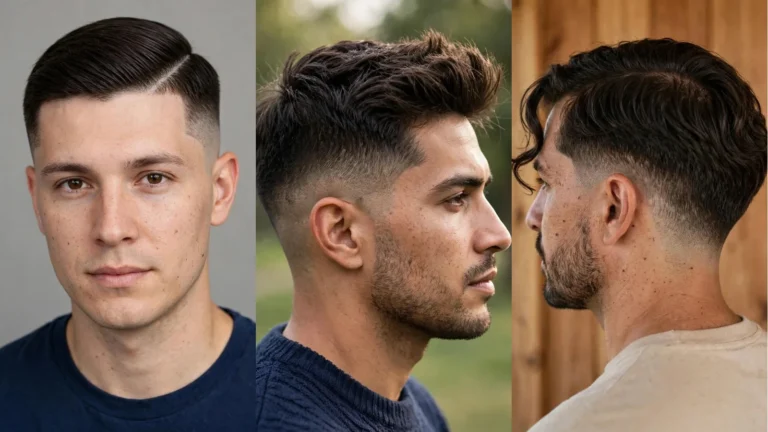
Short sides can look harsh when the blend climbs too high and leaves a hard line across it. Low fade haircut keeps the shortest hair near the ears and leaves more clean length above the blend.
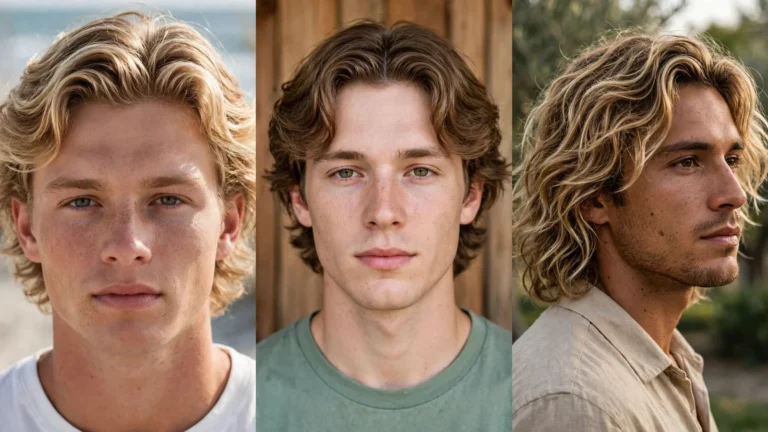
Straight, wavy, curly, and coily hair can carry the shape, and the blend grows out softly between trims. Versions run from short crew tops to swept tops, with curls, waves, fringes, quiffs, and slicked tops between.
Choose by top length first, then by texture, and match the parting to your real daily styling time.
Short Crew Low Fade

Even crew length sits across the crown, at about half an inch. Sides show a fade, a smooth blend upward from very short hair near the ear. Back stays short with a squared neckline, and the blend starts above each ear. Top carries no parting, and the front edge sits straight across the forehead. Uniform length sets this version apart from a textured crop, since strands measure the same.
Ask for a number one guard, the shortest clipper setting, at the base. Grow the top to one inch for a softer version, and keep the low blend. Rub a pea-sized amount of matte clay between palms, then push the top forward with fingers. Thick hair holds the shape well, while fine hair needs less product because weight flattens it. Book a trim every three weeks, since the short base loses its clean edge first.
Choppy Crop Low Fade

Choppy layers break the top into uneven pieces, cut at different lengths. Sides stay short through a low blend, with the shortest hair right above each ear. Front fringe falls forward in broken bits, and the hairline keeps a soft edge. Waves add lift through the top, so the shape looks fuller than flat hair. Uneven ends set this version apart from a neat crew cut, since strands never match.
Ask for a number two guard at the base, a low blend, and choppy layers. Spread matte clay on damp hair, then pinch small pieces apart with fingertips to show the chop. Wavy hair suits this cut best, while straight hair needs sea salt spray because smooth strands slide flat. Trim the sides every three weeks, and leave the top alone so layers keep shape. Skip heavy pomade here, since it clumps the pieces together and hides the choppy finish.
Neat Side Part Low Fade
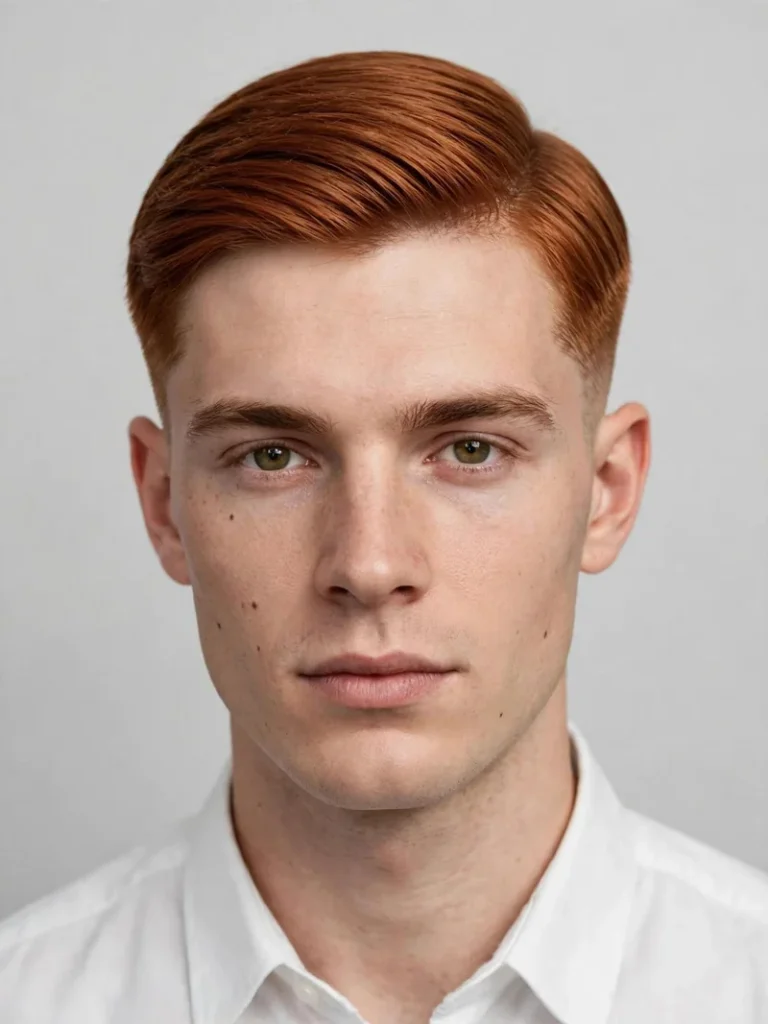
Clean side parting splits the top, with the longer side swept across. Top measures about two inches on the longer side, and one inch on the shorter side. Sides fade low from a number two guard, with the shortest hair above each ear. Back tapers into a clean neckline, and the parting line stays sharp. Fixed parting sets this version apart from a pompadour, since the line never moves.
Tell the barber the parting side first, then ask for a number two guard low blend. Comb the top while damp, then press light cream through with a vent brush. Straight hair holds the parting best, while wavy hair needs firmer hold because waves pull the line open. Grow the top past two inches for a deeper sweep, and keep the sides short. Avoid combing the parting dry, since dry combing lifts the line and breaks the smooth finish.
Lifted Quiff Low Fade

Lifted quiff rises high at the front, with hair pushed up. Top holds about three inches at the front, and steps down toward the crown. Sides stay short with a low blend, and the shortest hair sits above each ear. Back keeps a tapered neckline, and the quiff holds height through the front half. Front height sets this version apart from a side part, since hair moves up instead.
Request three inches at the front, two inches at the crown, and a low blend. Blow dry the front upward with a round brush, then use heat protectant first so strands stay safe. Thick wavy hair lifts best, while fine hair needs matte clay because light strands fall flat. Trim the blend every three weeks, and let the front grow until it drops. Skip flat ironing the quiff, since flat heat kills the lift and leaves the front limp.
Swept Pompadour Low Fade
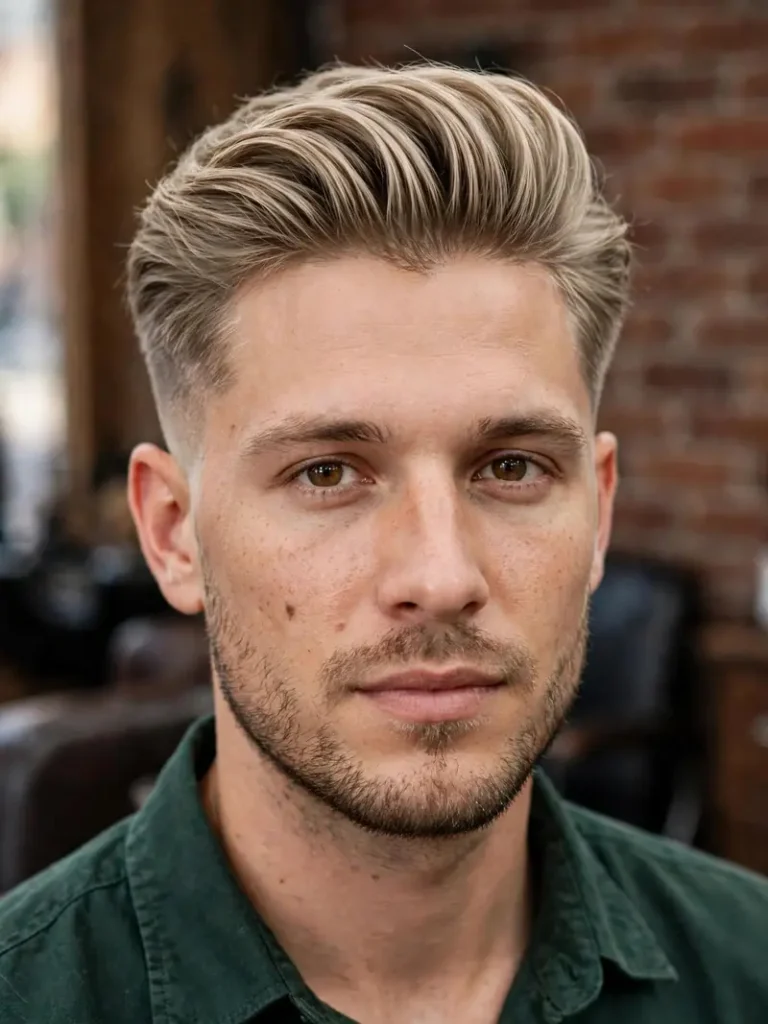
Swept pompadour rolls back from the forehead in one smooth wave. Top runs about three inches long, and the sides stay tight through a low blend. Back blends down to a tapered neckline, and the shortest hair sits above each ear. Hairline stays clean around the temples, and the sweep keeps one clear direction. Backward sweep sets this version apart from a quiff, since the front rolls back.
Say three inches on top, a number two guard at the base, and a low blend. Work pomade through damp hair with a comb, then sweep the front back in smooth strokes. Straight hair sweeps cleanest, while curly hair needs light cream because curls pull the sweep apart. Keep the sweep softer by leaving the front half an inch longer, and comb it back daily. Heavy wax drags the sweep down, so use pomade instead and keep the shine.
Close Buzz Low Fade

Uniform buzz length runs near the scalp, at about an eighth of an inch. Sides blend from skin near the ear, and the fade line sits low. Back keeps the same close length, and the neckline ends in a tapered edge. Coily texture shows as tight grain across the top, and the shape stays round. Near-scalp length sets this version apart from a crew, since the top shows no length.
Name a number one guard all over, with a low skin blend above the ears. Dampen the top with water, then smooth a drop of light cream over it with palms. Coily hair keeps definition with moisture, while straight hair shows more scalp because short strands lie flat. Trim every two weeks, since the buzz loses its edge fast and the blend grows first. Grow it out by moving to a number two guard next, and keep the low line.
Curly Top Low Fade

Springy curls pile high on top, with each curl holding a round shape. Low sides step down from the curls, and the shortest hair hugs the skin above ears. Back keeps a tapered neckline, and curls end just above the collar. Front curls fall toward the forehead, and the hairline shows soft curls. Loose curl volume sets this version apart from tight curls, since curls open wider and sit higher.
Use a number two guard at the base, and leave the curls about two inches long on top. Scrunch light cream into damp curls with fingers, then let them dry without touching them. Curly hair thrives here, while straight hair needs a curl cream because smooth strands drop the shape. Trim the sides every three weeks, and shape curls only when dry so length stays true. Avoid brushing dry curls, since brushing breaks the curl pattern and adds frizz.
Straight Fringe Low Fade
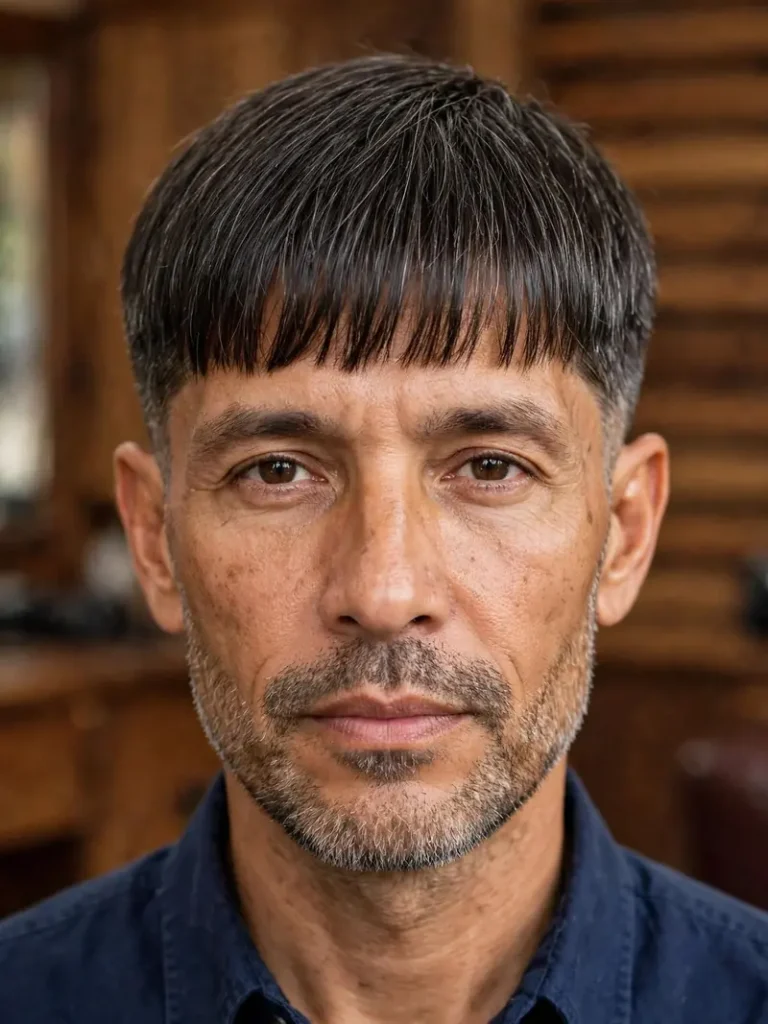
Straight fringe cuts across the forehead in a clean line, with ends above brows. Top stays about one inch long, and the fringe holds equal length across. Sides fade low with a number one guard, and the shortest hair sits above ears. Back tapers to a neat neckline, and the fringe gives a flat edge. Blunt fringe sets this version apart from textured fringe, since the edge stays straight.
Request a straight fringe at one inch, with a number one guard low blend. Comb the fringe down while damp, then press a pea-sized amount of light cream through it. Straight hair suits this fringe best, while wavy hair needs a dryer because waves lift the edge. Trim the fringe every two weeks, since it grows past the brows fast and blocks sight. Cutting the fringe too short is the common slip, so keep one inch and trim little.
Wavy Top Low Fade

Soft waves roll across the top, with bends that turn left and right. Top measures about two inches, and waves add height without any product. Low sides step down from the waves, and the shortest hair sits above each ear. Back keeps a tapered neckline, and waves end in a soft line above the collar. Natural wave sets this version apart from a straight top, since bends shape the silhouette.
Say two inches on top with a low blend, and a number two guard. Scrunch sea salt spray into damp waves with fingers, then let the hair air dry. Wavy hair fits this cut best, while straight hair needs sea salt spray because smooth strands hide bends. Trim the sides every three weeks, and leave the top until waves reach the ears. Overdrying with a hot dryer flattens waves, so use low heat and stop while hair stays damp.
Slicked Back Low Fade

Slicked hair runs straight back, with strands combed in one direction. Top holds about two inches, and a low fade haircut keeps the sides short near the crown. Sides blend low from a number two guard, with the shortest hair above ears. Back tapers into a clean neckline, and the top keeps a smooth surface. Backward direction sets this version apart from a side sweep, since hair never crosses forward.
Name two inches on top, a number two guard at the base, and a low blend. Comb pomade through damp hair with a fine comb, then smooth the top back in long strokes. Straight hair slicks best, while wavy hair needs pomade with hold because waves push the top forward. Trim the blend every three weeks, and keep the top at two inches. Too much pomade weighs the top down, so start small and add more only if needed.
Tight Curls Low Fade
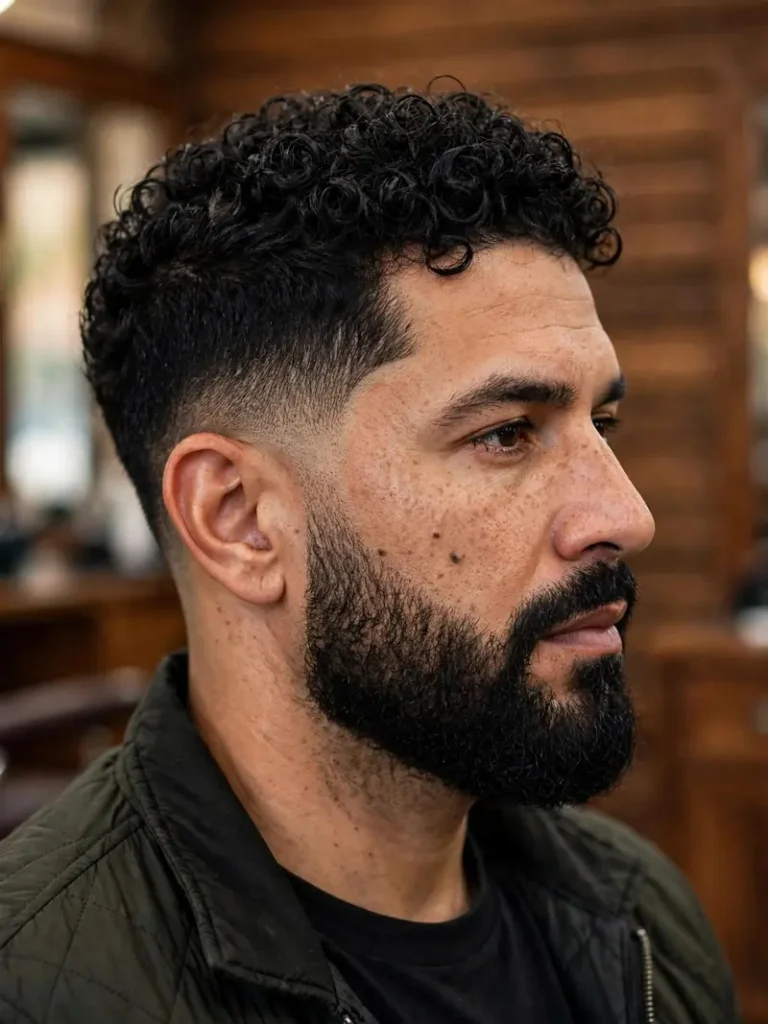
Tight curls pack close on top, with small coils holding a round, dense shape. Low sides drop away from the curls, and the shortest hair sits right above each ear. Back keeps a tapered neckline, and the curls stop short above the collar. Front curls frame the forehead, and the hairline shows a crisp, curled edge. Small coils set this version apart from loose curls, since each curl stays tight.
Order a number one guard at the base, and leave curls one inch long on top. Press light cream into damp curls with palms, then shape coils with fingertips while wet. Coily hair holds this shape best, while straight hair needs curl cream because smooth strands lack spring. Trim the sides every three weeks, and refresh curls with water each morning so coils stay defined. Picking dry curls apart breaks the pattern, so keep fingers wet and work small sections.
Spiky Top Low Fade

Spiky strands point upward in short tufts, with tips leaning in different directions. Top measures about one inch, and spikes rise from a base close to the scalp. Low sides fall away from the spikes, and the shortest hair sits above ears. Back keeps a tapered neckline, and spikes thin out toward the crown. Upward tips set this version apart from a brushed up top, since spikes split into points.
Bring one inch on top to the barber, with a number two guard low blend. Rub matte clay between palms, then push small tufts upward with fingertips and hold each one. Thick hair spikes best, while fine hair needs matte clay because light strands drop back down. Trim the spikes every three weeks, and keep the sides short so the points stay visible. Flat product kills the points, so use matte clay and work it through dry hair only.
Brushed Up Low Fade

Brushed up hair lifts from the forehead, with strands swept upward. Top holds about two inches, and the lift starts right at the front hairline. Low sides drop from the lifted top, and the shortest hair sits above each ear. Back keeps a tapered neckline, and the top keeps its lift through the front half. Upward sweep sets this version apart from a spiky top, since strands stay together.
Start with two inches on top, a number two guard, and a low blend. Blow dry the front upward with a vent brush, then press matte clay through with fingers. Thick hair lifts best, while fine hair needs matte clay because light strands fall back down. Trim the blend every three weeks, and let the front grow until lift reaches the brow. Wet hair will not hold lift, so dry it first and add product after it dries.
Caesar Low Fade
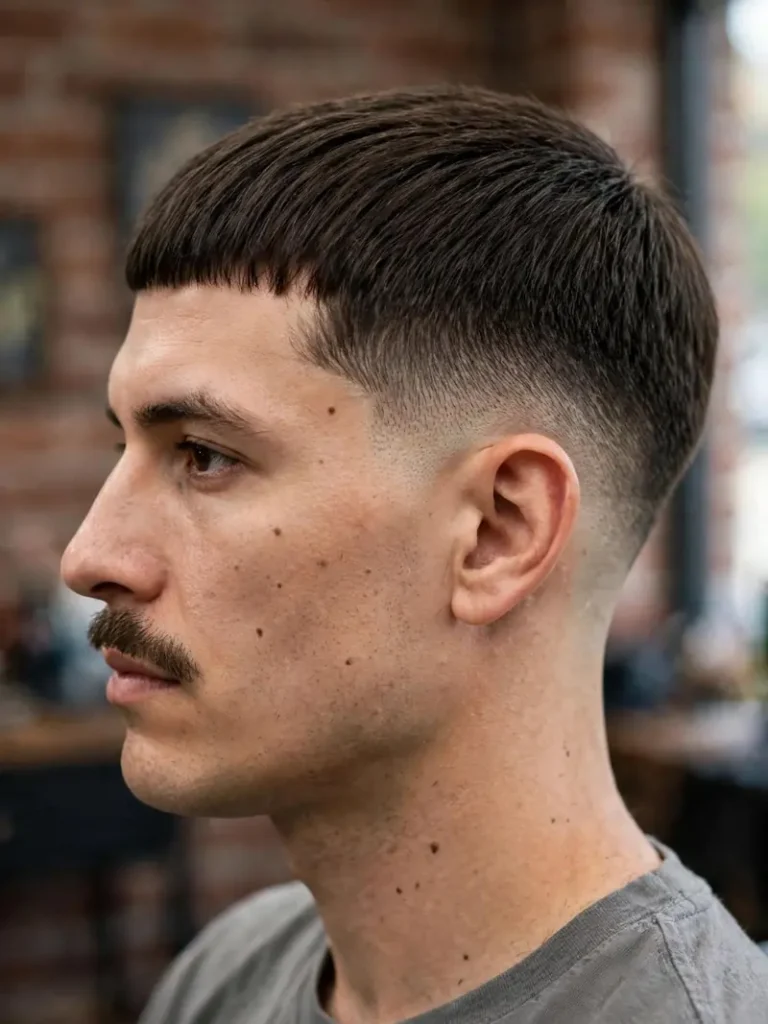
Caesar top lies flat and forward, with a short straight fringe. Top measures about one inch, and the fringe ends straight above the brows. Low sides run short from temple to nape, with the shortest hair above each ear. Back keeps a tapered neckline, and the top keeps one even length all over. Forward direction sets this version apart from slicked back hair, since hair moves toward the face.
Mention Caesar by name, then ask for one inch forward and a number one guard low blend. Comb the top forward while damp, then smooth light cream through with palms. Straight hair lies flat best, while wavy hair needs light cream because waves lift the fringe. Trim the fringe every two weeks, since it grows past the brows fast. Letting the fringe grow long is the common slip, so trim it before it covers the brows.
French Crop Low Fade

French crop keeps a short textured fringe, with curls pushed forward. Top measures about one inch, and the fringe breaks into small curls at the front. Low sides step down from the crop, and the shortest hair sits above each ear. Back keeps a tapered neckline, and the fringe holds a soft, broken edge. Textured fringe sets this version apart from a straight fringe, since the curls break the line.
Order one inch on top with a forward fringe, and a number one guard low blend. Scrunch light cream into damp curls, then push the fringe forward and let it set. Curly hair fits this crop best, while straight hair needs sea salt spray because flat strands hide fringe. Grow the fringe half an inch longer for a heavier front, and keep the low blend. Brushing the fringe flat hides texture, so scrunch it instead and leave curls alone.
Coily Top Low Fade

Coily top holds tight curls high, with coils springing up from a short base. Top measures about two inches, and coils keep shape without heavy product. Low sides step down from the coils, and the shortest hair sits above each ear. Back keeps a tapered neckline, and coils end cleanly above the collar. Coil height sets this version apart from a close buzz, since the top keeps length and spring.
Tell the barber a number one guard low blend, and two inches of coily top. Press light cream into damp coils with palms, then define each coil with fingertips while wet. Coily hair suits this cut best, while fine hair needs light cream because thin strands lose shape. Trim the sides every three weeks, and add water each morning so coils stay soft. Dry brushing breaks coils apart, so use fingers only and keep the hair damp while shaping.
Flowing Top Low Fade

Flowing top falls past the ears in soft waves, and moves as the head turns. Top measures about four inches, and the waves sweep back from the forehead. Low sides stay short under the flow, and the shortest hair sits above each ear. Back keeps a tapered neckline, and top layers end just above the collar. Longer length sets this version apart from a short crop, since waves move freely.
Plan four inches on top, a number two guard at the base, and a low blend. Comb light cream through damp hair with fingers, then sweep waves back and let them set. Wavy hair flows best, while straight hair needs sea salt spray because smooth strands hang flat. Trim only the blend every three weeks, and let the top grow so flow keeps building. Cutting the top short kills the flow, so trim sides only and leave length alone.
Layered Shag Low Fade

Layered shag stacks uneven lengths, with short pieces over longer ones. Top measures about three inches, and layers break into soft points around edges. Low sides sit short beneath the layers, and the shortest hair sits above each ear. Back keeps layers longer at the nape, and the neckline stays soft and uneven. Stacked layers set this version apart from a flat top, since pieces fall at different lengths.
Describe stacked layers, three inches on top, and a number two guard low blend. Scrunch sea salt spray into damp layers with fingers, then shake the head and let it settle. Wavy hair layers best, while straight hair needs sea salt spray because smooth strands hide the layers. Trim the layers every four weeks, and keep the blend fresh every three weeks. Combing the layers flat hides the stack, so scrunch them instead and leave the points alone.
Comb Over Low Fade
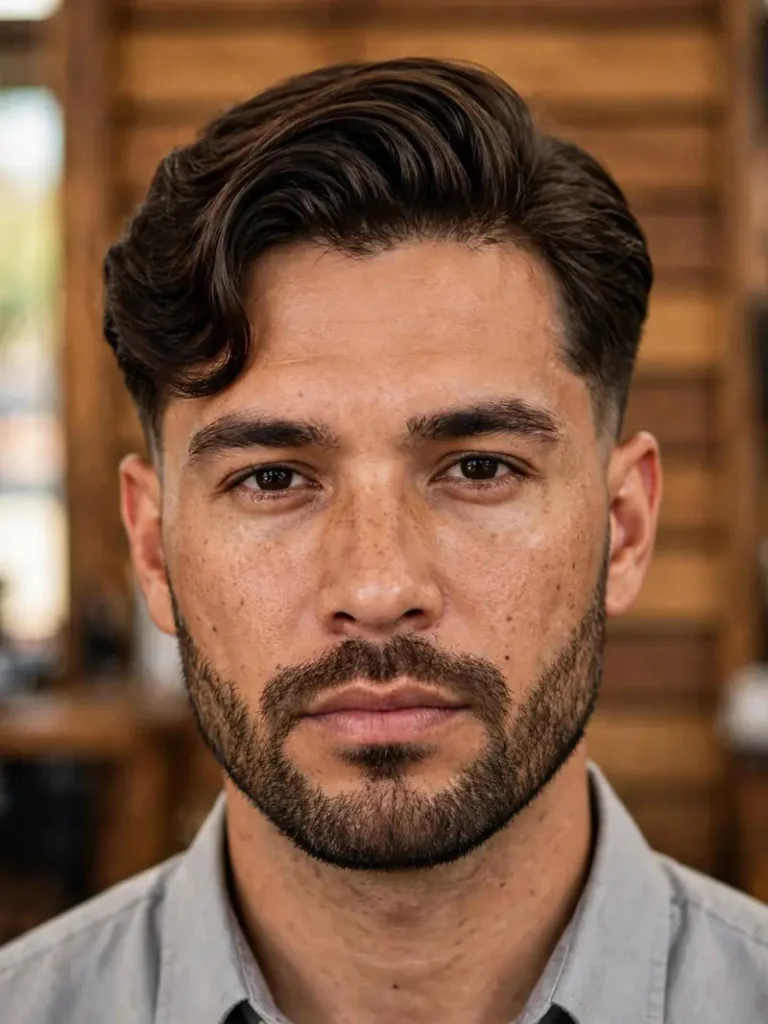
Comb over sweeps the top to one side, with the longer side falling across. Top measures about two inches, and the sweep starts from a low side parting. Low sides stay short beneath the sweep, with the shortest hair above each ear. Back tapers into a clean neckline, and the sweep keeps one clear direction. Single direction sets this version apart from a side part, since hair sweeps fully across.
Pick the sweep side first, then ask for two inches and a low blend. Comb the top to the side while damp, then press light cream through with a vent brush. Straight hair sweeps cleanest, while wavy hair needs light cream because waves pull the sweep open. Grow the top to three inches for a deeper sweep, and keep the blend low. Parting on the wrong side fights the growth, so follow the natural fall and sweep with it.
Faux Hawk Low Fade

Faux hawk builds a ridge down the centre, with hair pushed up. Top holds about two inches at the ridge, and steps down toward the sides. Low sides run short under the ridge, with the shortest hair above each ear. Back keeps the ridge running to the nape, and the neckline tapers cleanly. Centre ridge sets this version apart from a quiff, since lift runs front to back.
Call for a two inch ridge, a number two guard, and a low blend. Push matte clay through damp hair with fingers, then pinch the ridge up along the centre. Thick wavy hair holds the ridge best, while fine hair needs matte clay because strands fall flat. Trim the blend every three weeks, and keep the ridge at two inches so shape stays clear. Pulling the ridge too far forward breaks the line, so build it from the crown forward.
Textured Top Low Fade

Textured top breaks into choppy pieces, with ends pointing in mixed directions. Top measures about two inches, and the pieces keep a rough, uneven surface. Low sides drop from the textured top, and the shortest hair sits above each ear. Back keeps a tapered neckline, and the texture runs through to the nape. Broken ends set this version apart from a smooth top, since no strand lies flat beside another.
List two inches of textured top, a number two guard, and a low blend. Rub matte clay between palms, then rake fingers through damp hair to lift the pieces apart. Thick hair textures best, while fine hair needs matte clay because light strands fall flat. Trim the blend every three weeks, and keep the top at two inches so the pieces stay clear. Pomade flattens the texture, so use matte clay and work it through dry hair only.
Tapered Crop Low Fade

Tapered crop keeps short curls on top, with sides stepping down evenly. Top measures about one inch, and curls keep a tight, even shape across the crown. Sides shorten gradually, a taper, and keep some length at sideburns and neckline. Back keeps the taper low, and the shortest hair sits above each ear. Gradual taper sets this version apart from a skin blend, since length stays visible at edges.
Keep a low fade haircut shape, with a tapered crop top and a number two guard. Press light cream into damp curls with palms, then shape the top with fingertips while wet. Coily hair suits this crop best, while straight hair needs light cream because strands lack curl. Trim the taper every three weeks, and leave the top alone so curls keep shape. Cutting the sides too high breaks the taper, so keep the blend low and check a mirror.
Loose Curls Low Fade
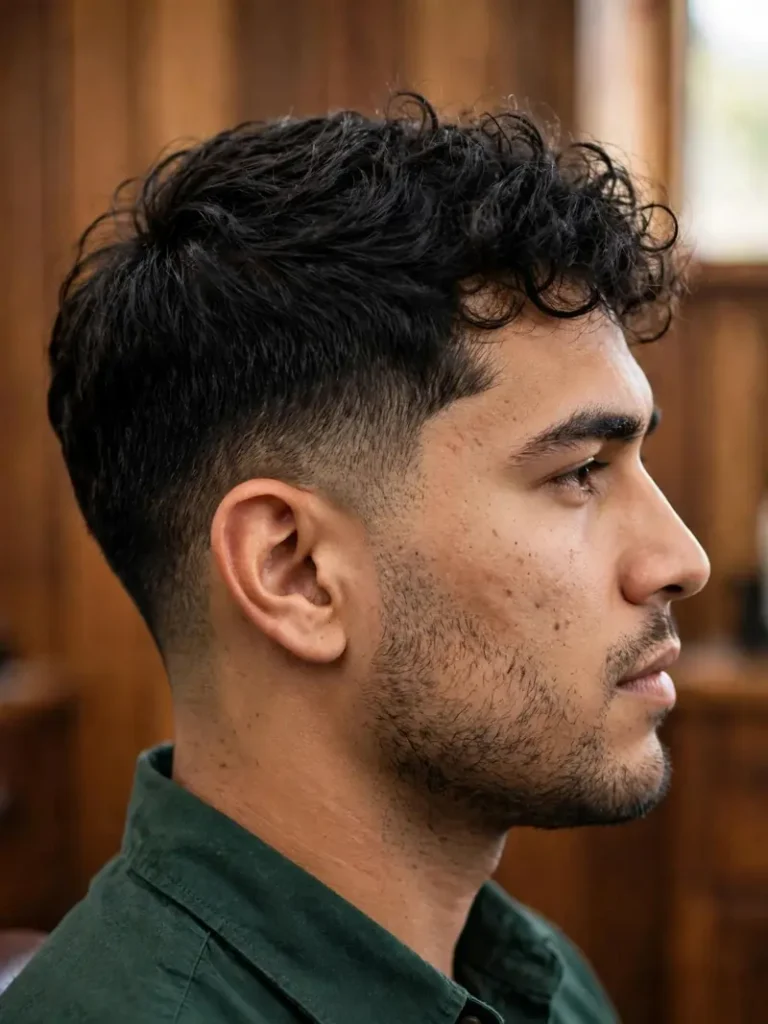
Loose curls fall open on top, with wide bends that hang soft. Top measures about two inches, and the curls open wider than tight coils. Low sides drop from the loose curls, and the shortest hair sits above each ear. Back keeps a tapered neckline, and the curls end just above the collar. Open curls set this version apart from tight curls, since the bends stay wide and relaxed.
Book two inches of loose curls on top, and a number two guard low blend. Scrunch light cream into damp curls, then let them dry without touching them. Curly hair fits this cut best, while straight hair needs curl cream because smooth strands drop shape. Trim the sides every three weeks, and shape the curls only when dry so the length stays true. Brushing dry curls breaks the bend, so use fingers and keep the curls damp while shaping.
Side Swept Low Fade

Side swept hair falls across the forehead, with the front sweeping right to left. Top measures about three inches, and the sweep keeps a soft fall. Low sides sit short beneath the sweep, with the shortest hair above each ear. Back keeps a tapered neckline, and the sweep ends in a soft line. Across sweep sets this version apart from a comb over, since hair falls loose instead of flat.
Give three inches on top, a number two guard, and a low blend. Sweep light cream through damp hair with fingers, then push the front across the forehead. Wavy hair sweeps best, while straight hair needs light cream because smooth strands slide back. Trim the blend every three weeks, and let the front grow until it falls past the brow. Combing the sweep dry lifts it off the forehead, so style it damp and leave it alone.
Messy Top Low Fade
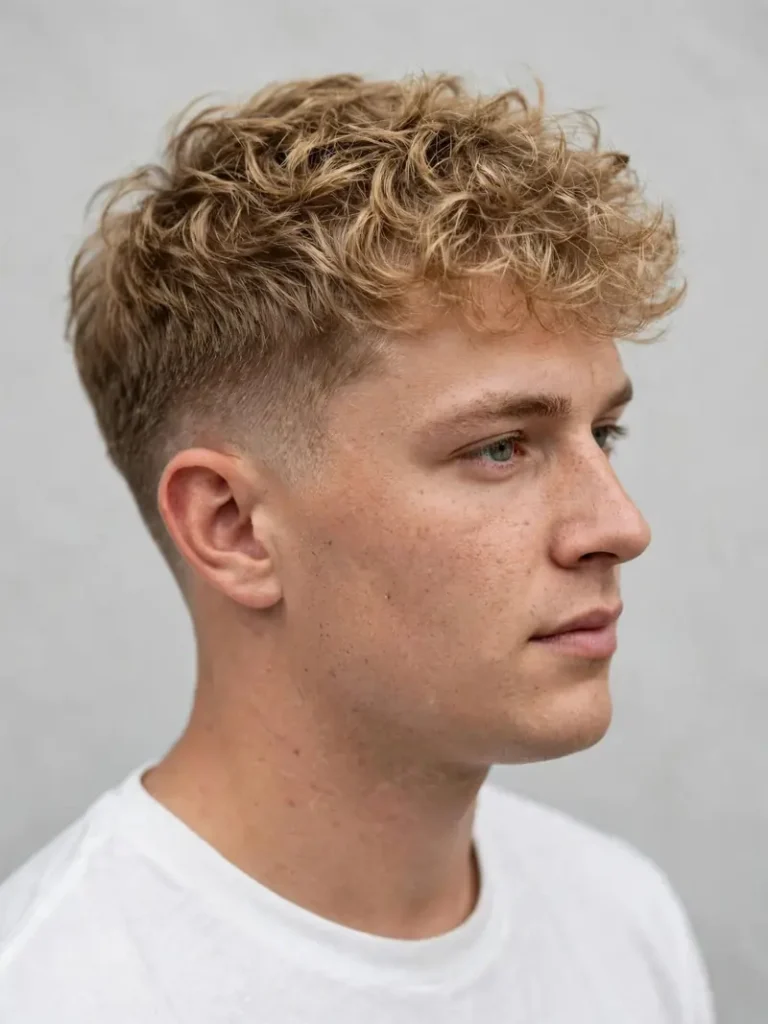
Messy top scatters in every direction, with pieces lifting and falling at random. Top measures about two inches, and pieces keep different lengths across the crown. Low sides stay neat under the mess, with the shortest hair above each ear. Back keeps a tapered neckline, and messy pieces end in a soft, uneven line. Random pieces set this version apart from a neat crop, since no two strands sit alike.
Keep two inches of messy top, a number two guard, and a low blend. Rub matte clay between palms, then tousle damp hair with fingers and leave it alone. Thick curly hair holds the mess best, while fine hair needs matte clay because strands fall flat. Trim the blend every three weeks, and leave the top alone so the pieces stay random. Brushing the mess smooth kills the look, so use fingers only and stop while it still looks rough.
Clean Taper Low Fade

Clean taper shortens the sides step by step, with length at sideburns and neckline. Top measures about two inches, and hair combs back in a smooth sweep. Sides keep some length through the blend, with the shortest hair above each ear. Back keeps a soft neckline, and the taper ends in a clean edge. Visible length at edges sets this version apart from a skin blend, since sides stay covered.
Describe a taper, a number three guard at the base, and two inches on top. Comb light cream through damp hair with a vent brush, then sweep the top back. Straight hair tapers cleanest, while wavy hair needs light cream because waves lift the sides. Trim the taper every four weeks, since tapers grow out more gently than skin blends. Letting the sideburns grow wild is the common slip, so keep them neat and short.
Textured Fringe Low Fade

Textured fringe falls forward in uneven pieces, with ends breaking across the forehead. Top measures about one inch, and the fringe keeps different lengths across. Low sides step down from the fringe, and the shortest hair sits above each ear. Back keeps a tapered neckline, and the fringe gives a broken, uneven edge. Uneven ends set this version apart from a blunt fringe, since pieces fall at different lengths.
Want a textured fringe at one inch, and a number one guard low blend. Scrunch matte clay into damp fringe with fingers, then pinch small pieces apart. Straight hair textures best, while wavy hair needs matte clay because waves push the fringe up. Trim the fringe every two weeks, since it grows past the brows fast and loses the broken edge. Combing the fringe flat hides the texture, so scrunch it and leave the pieces alone.
Short Mullet Low Fade
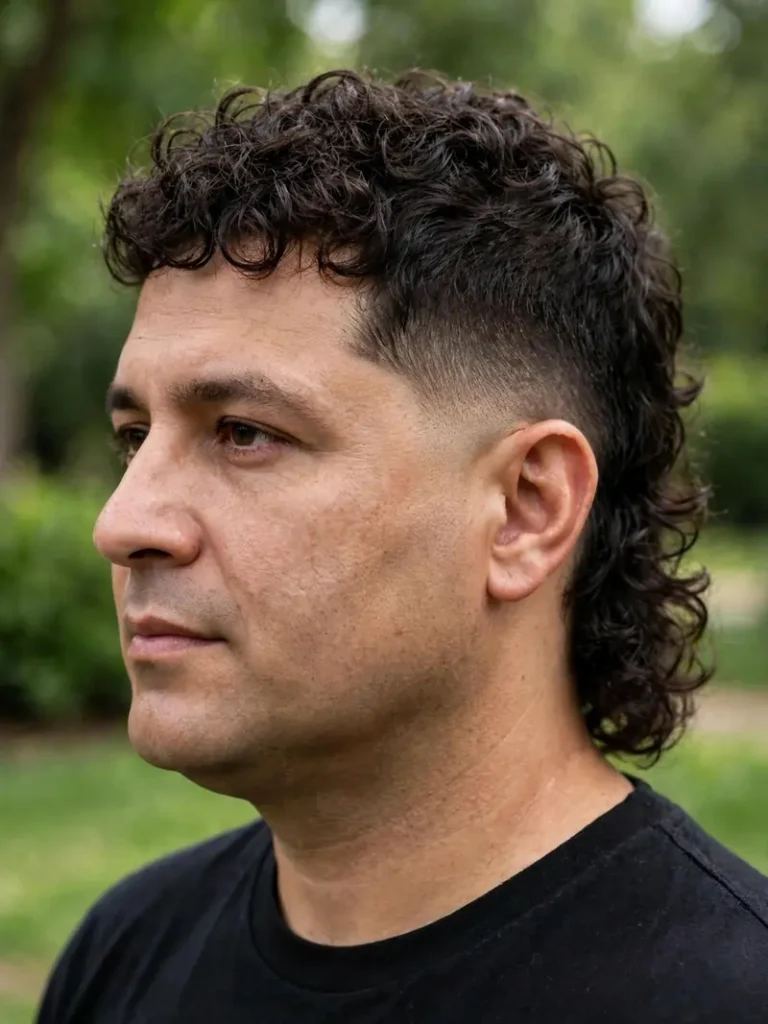
Mullet shape keeps the front and sides short, with longer curls at the back. Top measures about two inches, and back length reaches past the collar. Low sides stay short under the curls, with the shortest hair above each ear. Back keeps curls long at the nape, and the neckline stays soft and uneven. Longer back sets this version apart from a short crop, since curls run past the collar.
Mention a short mullet, a low blend, and back length past the collar. Scrunch light cream into damp curls, then let the back curls dry without touching them. Curly hair fits the mullet best, while straight hair needs light cream because smooth strands hide the curl. Trim the sides every three weeks, and leave the back alone so the length keeps growing. Grow the back longer for a stronger shape, and keep the front short so the contrast stays clear.
Drop Fade Crew Cut

Drop fade curves down behind the ear, with the blend dipping low. Top keeps a short crew length, at about half an inch across the crown. Sides stay short above the ears, and the fade drops behind each ear. Back keeps the drop line low, and the neckline ends in a clean, tapered edge. Curved blend sets this version apart from a straight low blend, since the line dips.
Call for a drop fade, a number one guard, and a half inch crew top. Wet the top lightly, then press a drop of light cream over it with palms. Coily hair holds the crew shape well, while fine hair needs less cream because weight flattens strands. Trim the drop line every two weeks, since the curve blurs first as hair grows. Letting the drop rise too high is the common slip, so keep the curve low behind the ear.
Burst Fade Curly Top
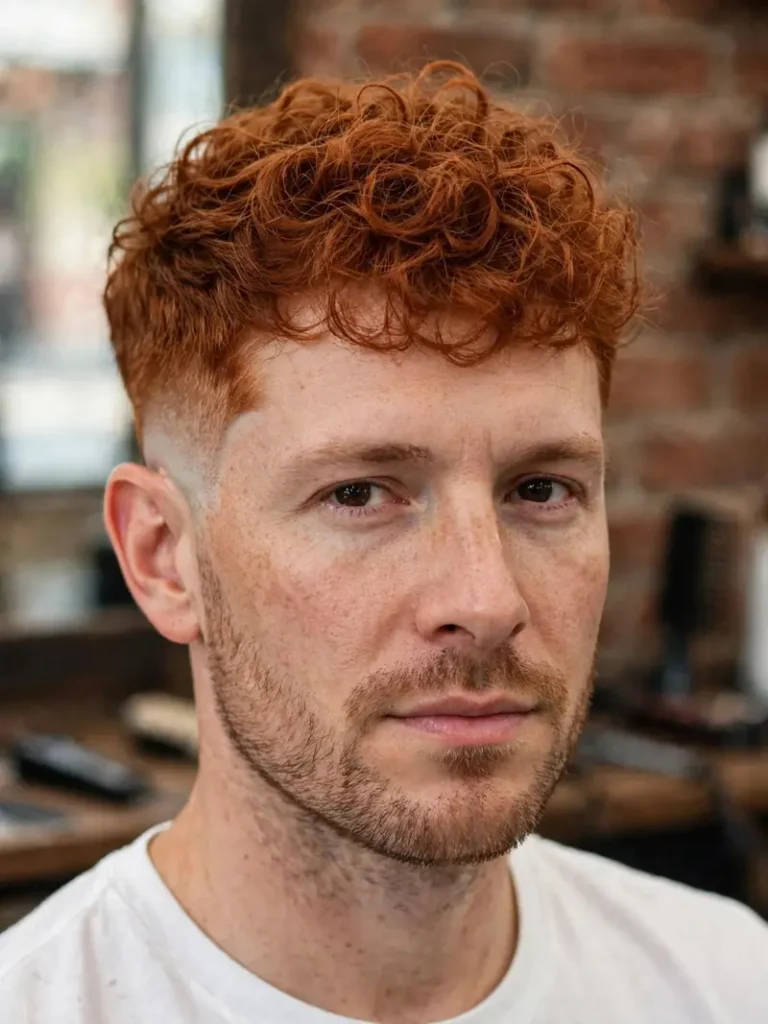
Burst fade arcs around the ear, with the blend curving in a half circle. Top holds curly volume, with copper curls piled high across the crown. Sides stay short through the burst, and the shortest hair sits above each ear. Back keeps a tapered neckline, and the curls end just above the collar. Arched blend sets this version apart from a straight low blend, since the fade curves.
Give the barber a burst fade, a number one guard, and two inches of curls. Press light cream into damp curls with palms, then let them dry untouched. Curly hair fits the burst best, while straight hair needs curl cream because smooth strands drop shape. Trim the burst every three weeks, and shape the curls only when dry so the length stays true. Grow the curls longer for a fuller burst, and keep the arc tight around the ear.
Short sides stay neat longest when the blend starts just above the ears and stays soft. Ask for a number one or two guard at the base, then number three through the blend. Keep the top about one inch long in a low fade haircut, so styling takes a few minutes. Work matte clay through damp hair with fingers, and comb the parting into place while it sets. Book a trim every three weeks, because hair grows about half an inch each month and blurs lines. Tell the barber the top length and guard number from the version closest to yours.
About Me
Hi, I am Beck, the voice behind Hairzaa. I share simple, real-life hairstyles, cuts and color ideas that busy women can actually do, because confidence starts in the morning mirror. Every style here is tested in real life first, so you can look beautiful without the fuss.


4 Comments