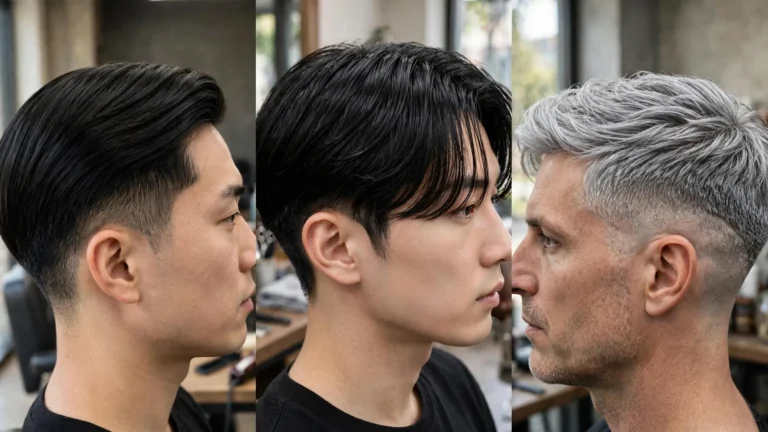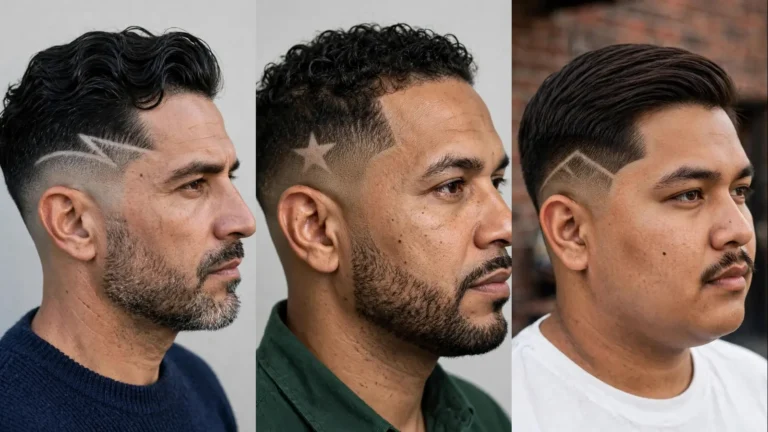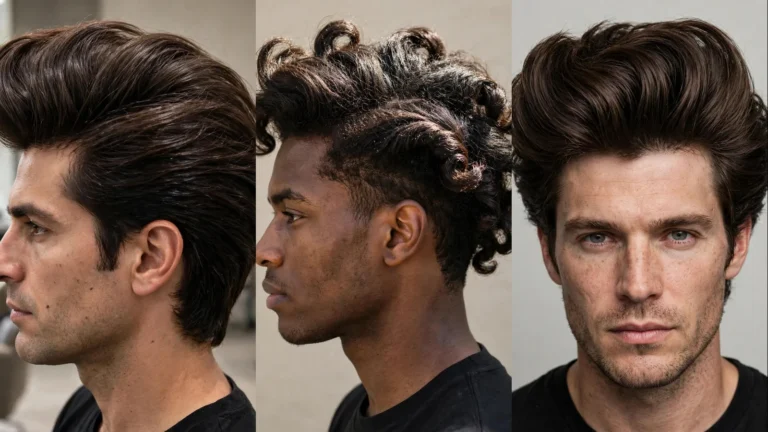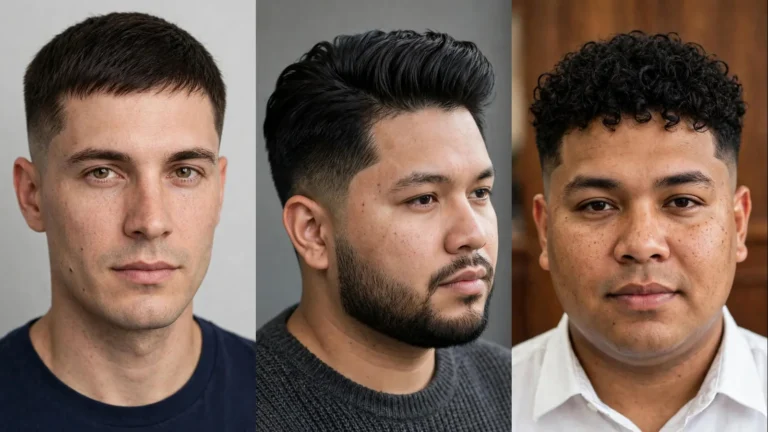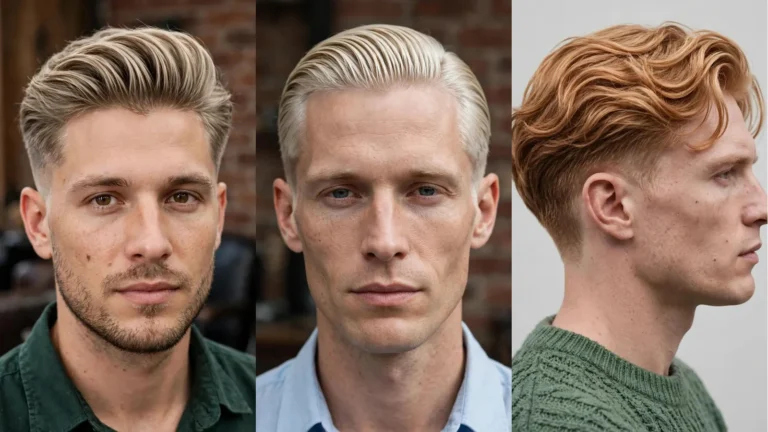
Mornings get tight when a cut needs long styling before school. Haircuts for teenage guys work best with short tops, tidy sides, and a clean back. Shorter tops dry fast, while longer tops need a comb and a small amount of product.
Curls, waves, and straight hair each need a different length on top. Coily hair keeps shape with clean edges and a soft taper at the sides. Parents can weigh length, upkeep, and school rules before booking a cut.
Options range from close buzz cuts to medium flow, with fades, tapers, and fringes in between. Pick a length that fits morning time, hair texture, and how often trims fit the calendar.
Neat School Crew
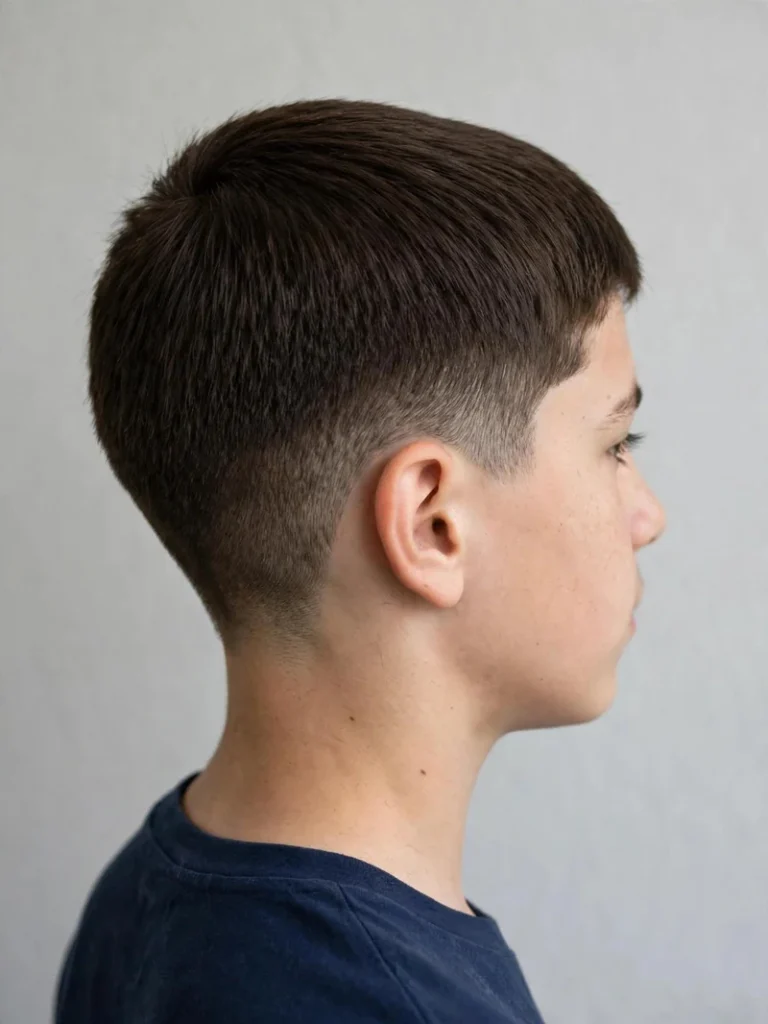
Short hair on top sits about one inch long and lies flat with a slight forward lean. Sides and back taper down close to the ears, then blend into the top without a hard line. Fades blend hair from very short near the ears to longer on top. Such blending keeps the shape tidy through the school week. Neckline ends in a clean, squared line just above the collar.
Ask the barber for a number two guard on the sides and a one-inch top. Guards are clip-on guides that set how much length clippers leave behind. Comb the top forward with fingers, then add a pea-sized amount of matte clay for hold. Texturizing thins small sections so thick hair sits lighter, and it helps the top lie flat. Book a trim every four weeks, because the taper loses its clean edge as hair grows.
Textured Top Crop
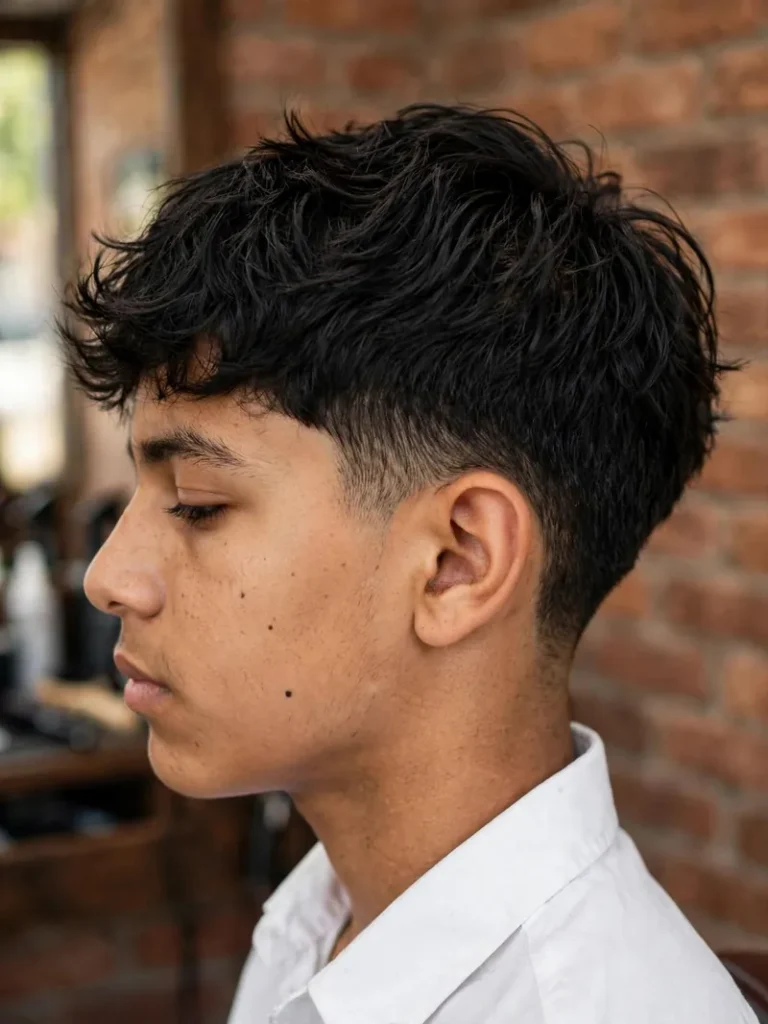
Choppy layers across the top give the crop a broken, piece-like finish. Sides taper short from the temples down, which keeps the outline neat. Texture comes from point cutting, a method that snips into the ends to soften them. Front edge sits slightly longer than the back, so the top moves forward over the brow.
Tell the barber to keep two inches on top and taper the sides with a number three guard. Work a small amount of matte clay through damp hair with fingertips, then push the top forward. Straight hair holds the shape well, while wavy hair adds natural lift at the front. Skip heavy pomade here, because it flattens the choppy ends and hides the texture. Trim every four to five weeks to keep the layers from growing into one flat shape.
Clean Side Sweep
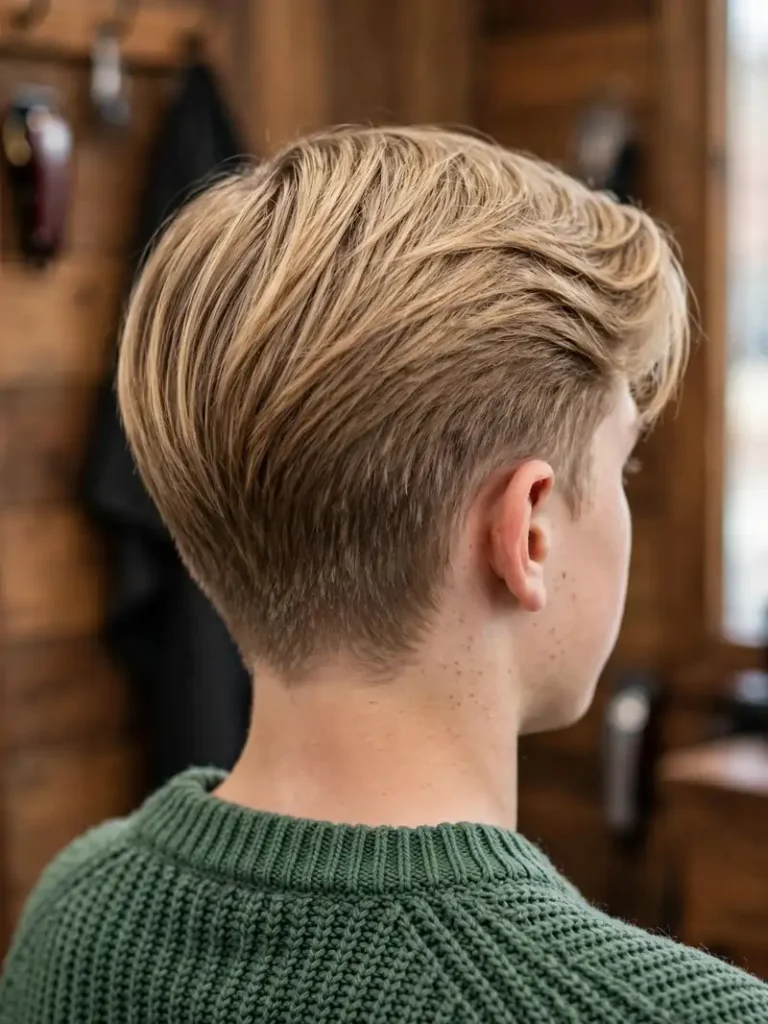
Soft hair sweeps to one side from a low part near the temple. Top length runs about two to three inches, which gives the sweep room to fall. Sides and back taper gently, keeping some length at the sideburns and neckline. Finish looks smooth and tidy, with the part line staying visible through the day.
Use a comb to set the part while hair is damp, then sweep the top to the side. Ask for a number four guard on the sides and scissors on top for a soft edge. Fine hair suits this sweep, since the side direction adds width without bulk. Add a drop of light cream, because it holds the sweep without stiffness. Parents can reset the part each morning with a damp comb in under a minute.
Soft Lifted Quiff
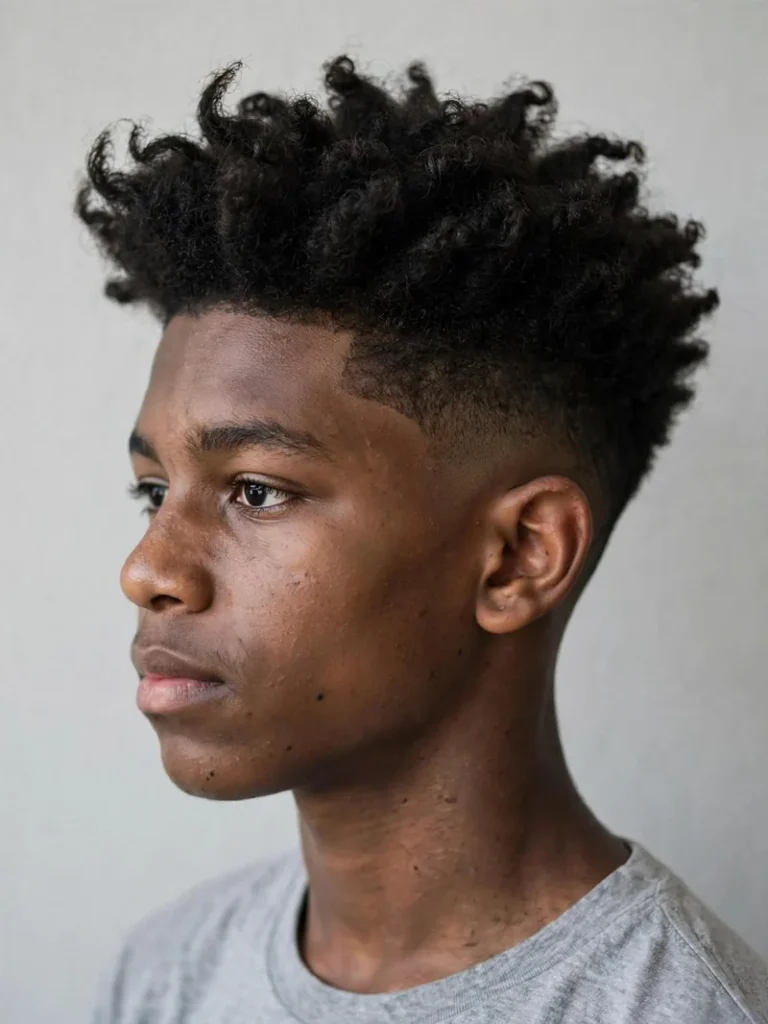
Coily hair lifts up and forward from the forehead, giving the top height without length at the back. Sides carry a low fade, which starts just above the ears and blends upward into the coils. Top stays near two inches, so the lift holds its shape instead of falling flat. Neckline ends clean and short, which sets this cut apart from longer quiff styles.
Pat a little light cream into damp coils, then lift the front upward with fingers. Coily hair keeps definition with moisture, so avoid brushing it dry. Tell the barber to keep two inches on top with a low fade and clean temple edges. Grow-out stays gentle, because the low fade softens slowly over three weeks. Trim the fade every three to four weeks to keep the edges crisp.
Short Brushed Forward Crop
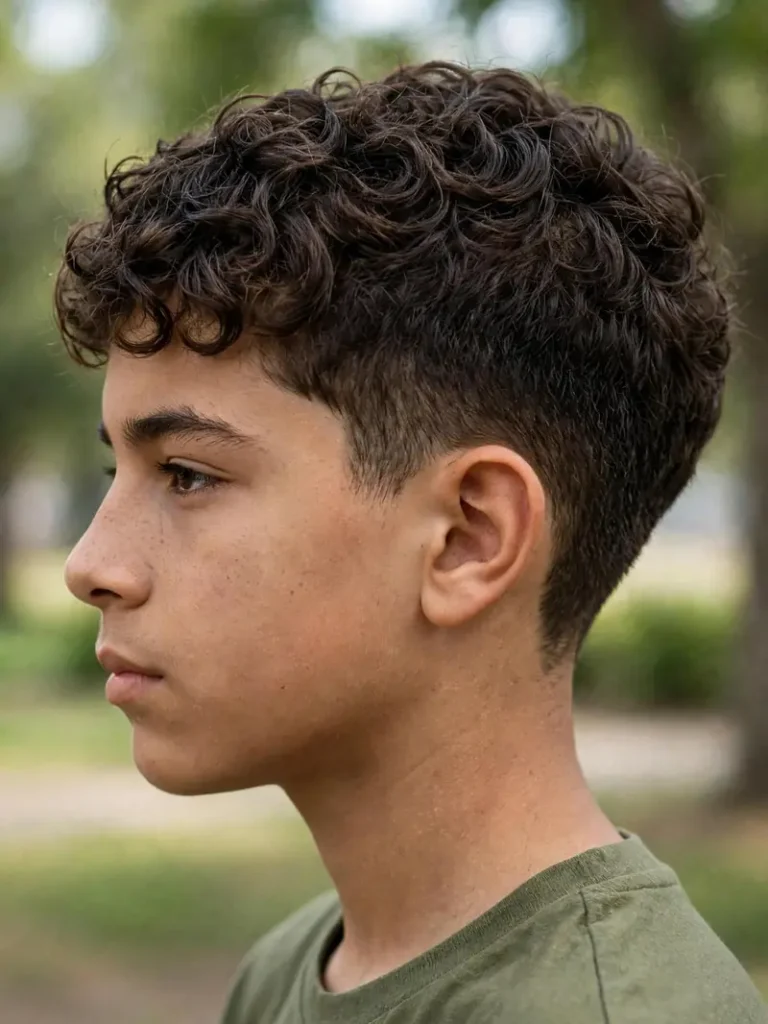
Curly fringe brushes forward over the forehead, with short curls stacked close together. Top length stays near two inches, which keeps the curls light and springy. Sides taper short from the temples, so the curls stay the focus of the cut. Hairline runs straight across the brow, unlike crops that sweep the fringe to one side.
Push damp curls forward with fingers, then let them dry without a brush. Curly hair tends to shrink as it dries, so keep the top a little longer than planned. Ask the barber for a forward crop with a taper, not a skin fade. Use light cream on damp curls, because it adds moisture without weighing curls down. Book trims every four weeks, since curls lose their shape once the sides grow thick.
Even Buzz With Taper
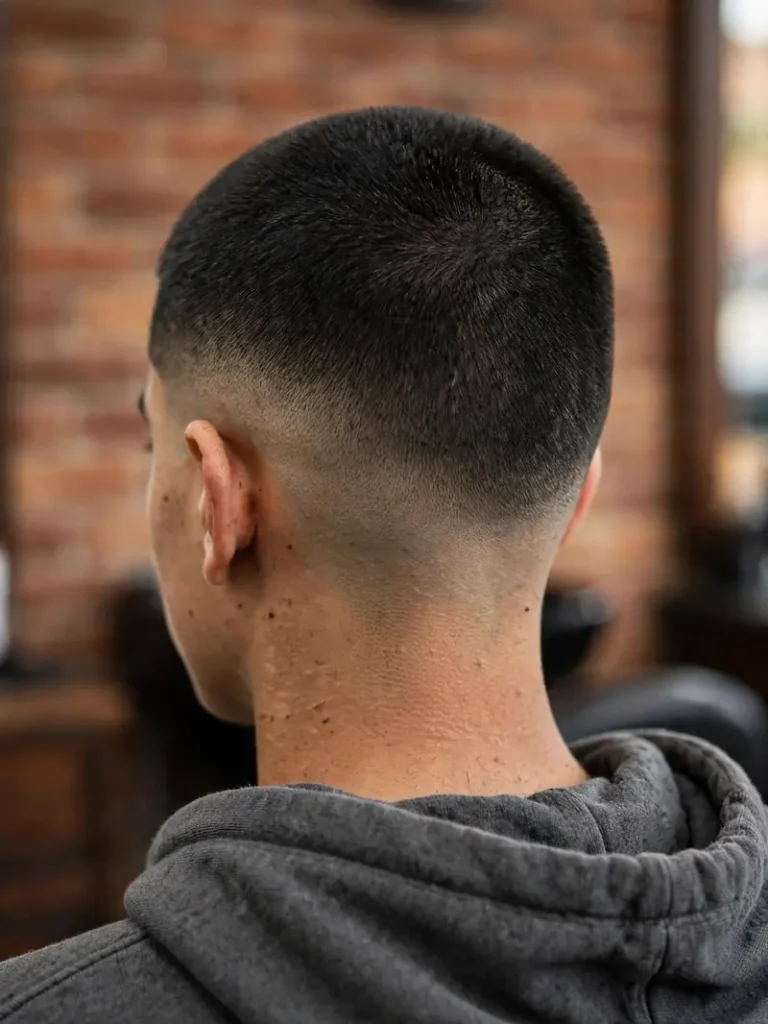
Clippers cut the whole head to one even length, about a quarter inch on top. Sides and back taper down gradually, keeping a little length at the sideburns and neckline. Back view shows the taper curving cleanly around the ears and down the neck. No parting or styling direction exists here, which makes mornings very quick.
Keep home clippers for small tidy-ups only, and let the barber set the taper. Request a number two guard all over, then a taper at the neckline and sideburns. No product is needed, which keeps the routine short and the scalp free of buildup. Plan trims every two to three weeks, because short buzz lengths show growth fast. Wash with a gentle shampoo, then towel dry, since the cut needs nothing more.
Defined Curls on Top
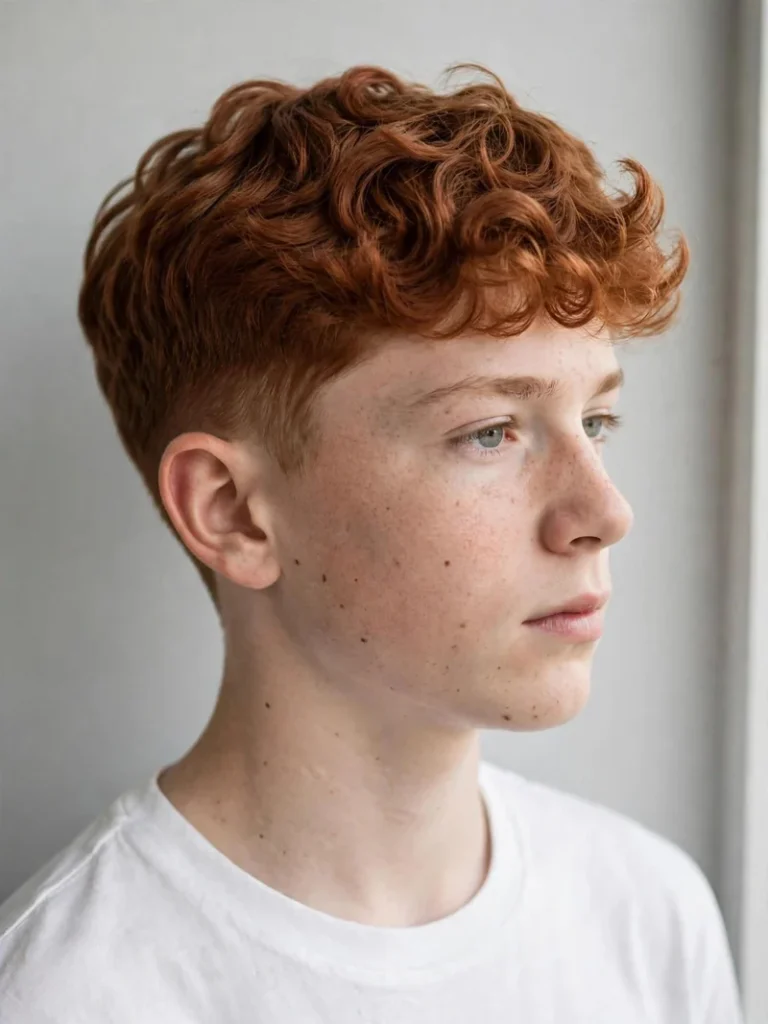
Defined curls sit about two inches long on top, with each curl holding a clear round shape. Sides fade low from just above the ears, which frames the curls without hiding them. Texture stays soft and springy, since the curls keep their natural bounce. Copper color catches light across the curls, but the shape works the same in any shade.
Scrunch a little light cream into damp curls, then leave them to dry in the air. Never brush curls when dry, because brushing breaks the curl shape and adds frizz. Request two inches of curl on top with a low fade and a soft edge. Curly hair usually needs trims every five weeks, since the sides grow out first. Try a shorter variation on the sides, but keep the top length so curls stay defined.
Straight Across Fringe
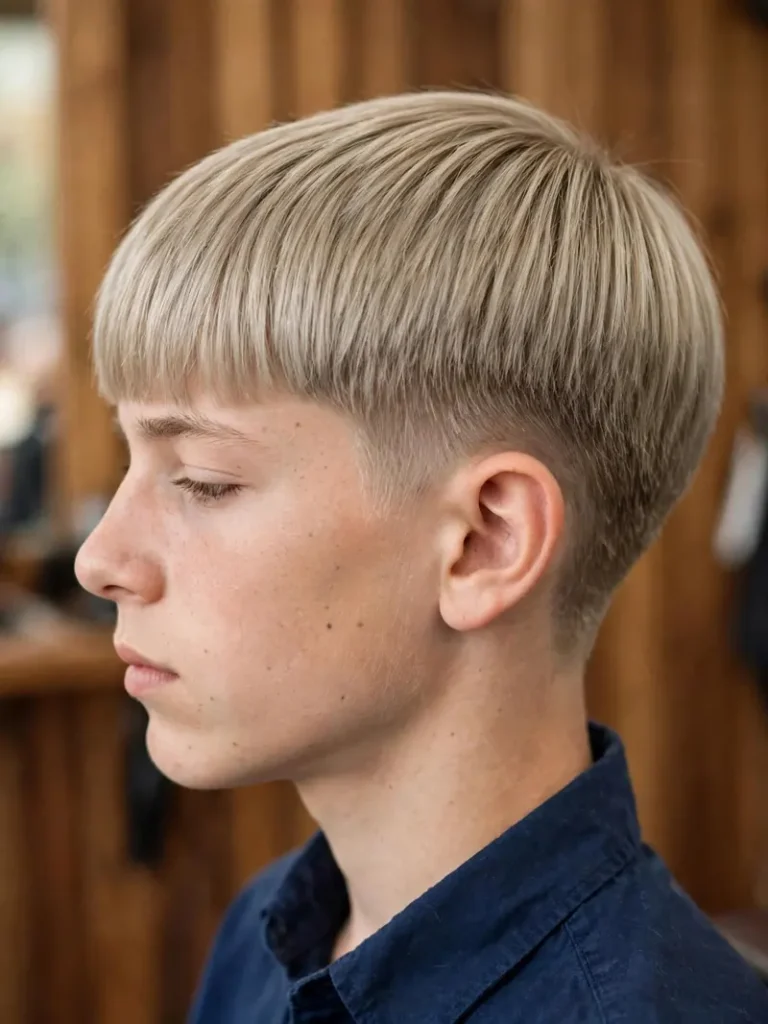
Even fringe falls straight across the forehead, ending just above the brows. Top stays short, near two inches, with hair combed forward in one smooth direction. Sides taper from the temples down, which keeps the fringe as the main feature. Hairline stays level and blunt, unlike fringes that taper into longer pieces at the edges.
Trim the fringe little by little, because cutting too much at once leaves it too short. Comb the fringe straight down with a fine comb, then check the line in a mirror. Straight hair holds the blunt line well, while wavy hair may need light cream to settle. Book the barber for a number three guard and a straight fringe cut with scissors. Grow-out shows first at the fringe, so plan a tidy-up every three to four weeks.
Natural Waves Swept Back
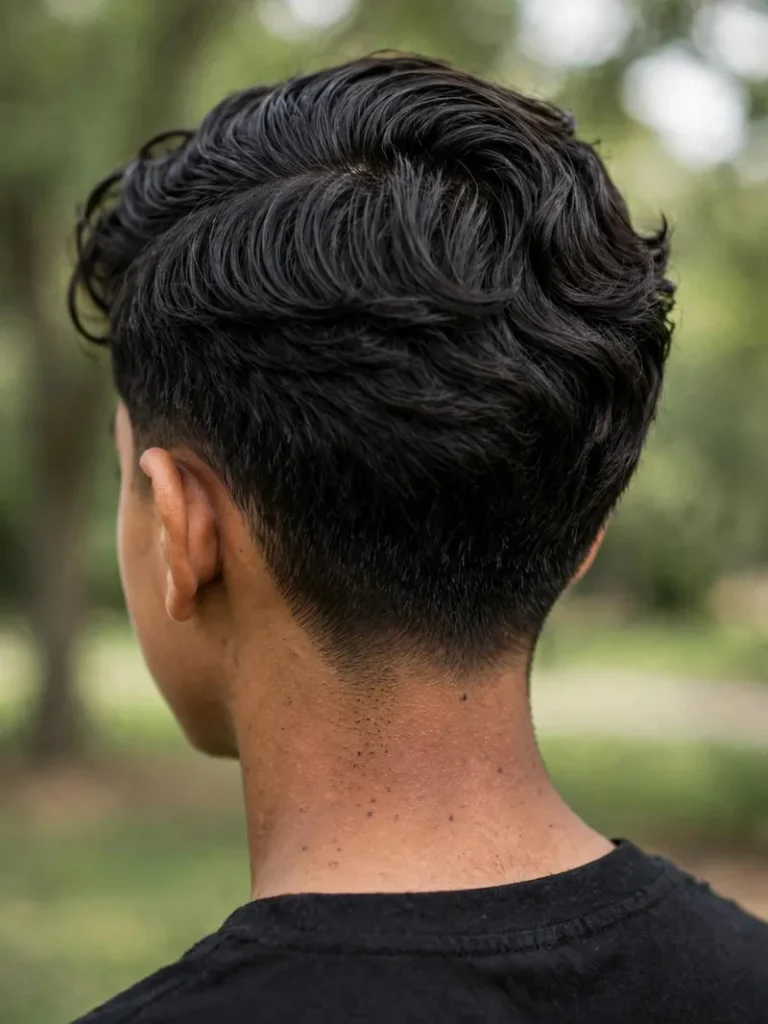
Wavy hair sweeps back from the face in soft, loose curves that follow the head shape. Top runs about three inches, which gives the waves room to bend without bulk. Sides and back taper short, ending in a clean neckline that sits just above the collar. Back view shows the sweep direction clearly, unlike cuts that push hair forward.
Brush damp hair straight back with a vent brush, then let it air dry. Add sea salt spray before brushing, because it lifts the roots and holds the wave. Wavy hair usually holds this shape well, but very straight hair may fall flat by noon. Tell the barber to leave three inches on top with a taper and a natural neckline. Trim every five weeks to keep the back from growing heavy over the collar.
Combed Back Short Cut

Combed back hair lies flat from the forehead toward the crown in smooth, even rows. Top stays near two inches, which keeps the comb-back neat without weight. Sides carry a low taper, which starts just above the ears and fades gently downward. Finish looks tidy and controlled, with no loose pieces falling over the ears.
Many haircuts for teenage guys use this low taper, so top length drives the choice. Comb damp hair back with a wide comb, then add a small amount of pomade for shine. Straight hair combs back with ease, while wavy hair needs light cream to stay smooth. Skip heavy clay here, because it can drag the top forward and spoil the line. Book a trim every four weeks, since the taper edge blurs as hair grows.
Springy Curls Mid Length
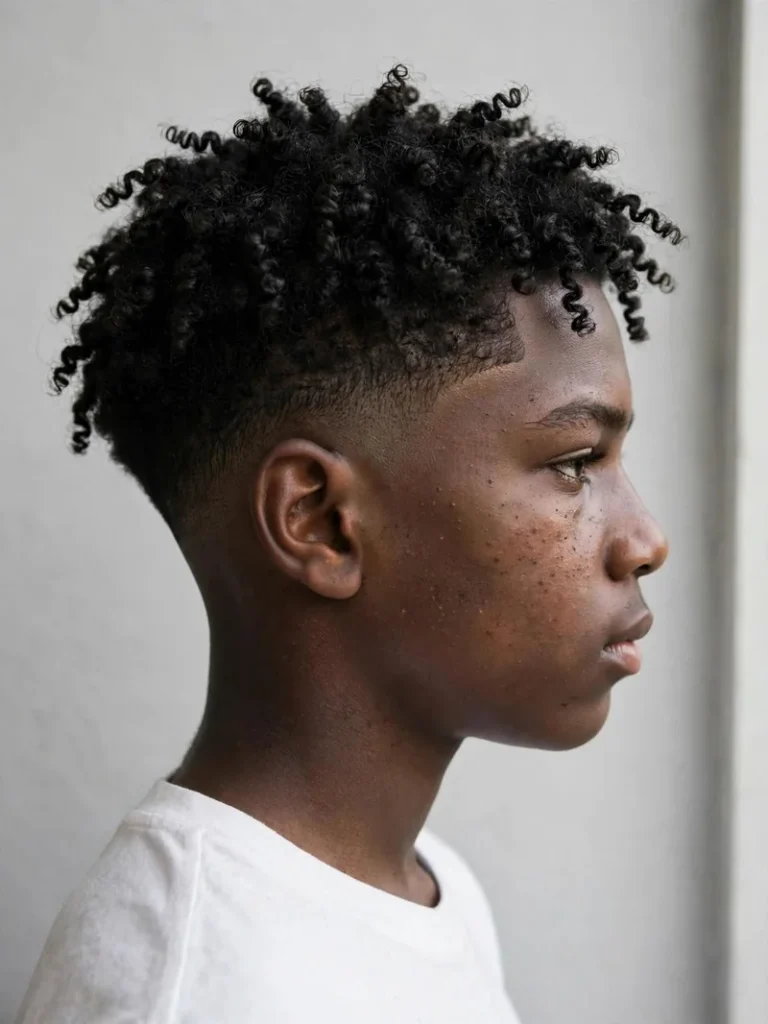
Springy curls rise about two inches on top, with tight coils that bounce back when touched. Sides carry a low fade with clean edges, which frames the curls without bulk. Top keeps its curl pattern all over, so no single section looks longer than the rest. Edges stay crisp around the temples, which sets this cut apart from softer curly styles.
Moisturize curls with light cream on damp hair, then shape them with fingertips only. Coily hair keeps definition with moisture, so skip dry brushing between washes. Request two inches of curl on top with a low fade and clean temple edges. Plan fade trims every three weeks, because short sides show growth sooner than the top. Try leaving the top a little longer next time, but keep the fade low for school.
Short Spikes Up Front

Spiky ends point upward at the front, with the tallest spikes sitting near the hairline. Top runs about two inches, which gives the spikes enough length to stand up. Sides taper short from the temples, so the front spikes stay the clear focus. Finish looks textured and upright, unlike spikes that lean flat across the forehead.
Dab a pea-sized amount of matte clay on fingertips, then pinch the front upward. Too much product weighs spikes down, so start small and add more only if needed. Straight hair spikes with ease, while thick hair may need the ends thinned first. Request two inches on top with a taper, and point-cut ends for texture. Book trims every four weeks, since spikes lose lift once the top grows long.
Brushed Up Morning Cut

Brushed up hair rises from the forehead in a smooth lift, with the front standing tallest. Top stays near two inches, which gives the lift height without weight. Sides carry a low taper, which starts just above the ears and blends into the top. Neckline ends clean and tapered, which keeps the back tidy as the top grows.
Blow-dry the top upward on a low setting, then brush it back into place. Spray heat protectant first, because hot air dries fine hair fast and leaves it rough. Add a small amount of matte clay after drying, so the lift holds through the morning. Fine hair lifts with ease here, while thick hair may need a shorter top. Plan trims every four weeks, because the lift drops once the top passes two inches.
Rounded Caesar Style

Rounded fringe curves gently across the forehead, with the center sitting slightly lower than the edges. Top stays short, near one inch, with curls lying close to the scalp. Sides taper short from the temples, which keeps the rounded line clear. Back view shows the even curve, unlike Caesar cuts with a straight, hard fringe line.
Check the fringe line in a mirror after the cut, then ask for small fixes at once. Describe a short Caesar with a rounded fringe and tapered sides to the barber. Curly hair suits this shape, since short curls follow the rounded line on their own. Use light cream on damp curls, because it keeps the fringe soft without flattening it. Book a tidy-up every three to four weeks, as the fringe line blurs with growth.
Short Crop Forward Fringe
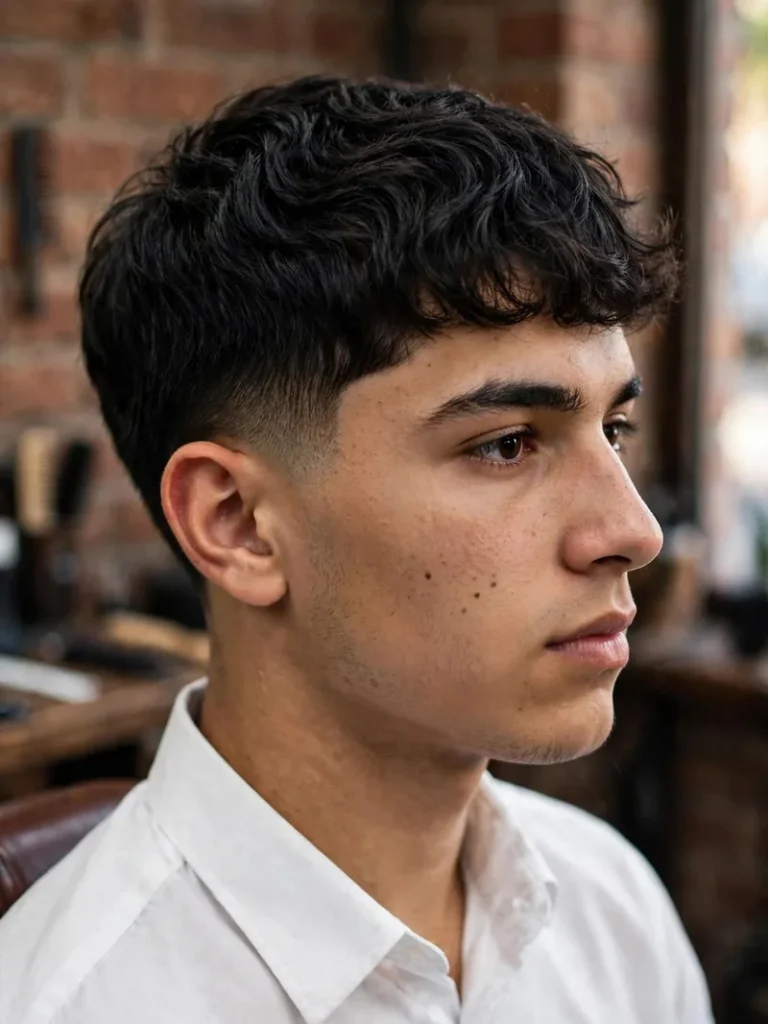
Forward fringe pushes wavy hair toward the forehead, with the front sitting slightly longer than the crown. Top runs about two inches, which gives the fringe weight to fall forward. Sides carry a low fade, which starts just above the ears and blends upward. Texture looks choppy and loose, unlike crops with a smooth, combed finish.
Pinch small sections of damp hair forward with fingers, then let them dry. Add sea salt spray first, because it gives wavy hair grip and a loose finish. Wavy hair holds the forward fall well, but straight hair may need matte clay. Describe a low fade with two inches on top and a fringe that falls forward. Plan trims every four to five weeks to keep the fringe from covering the brows.
Coily Top Clean Edges
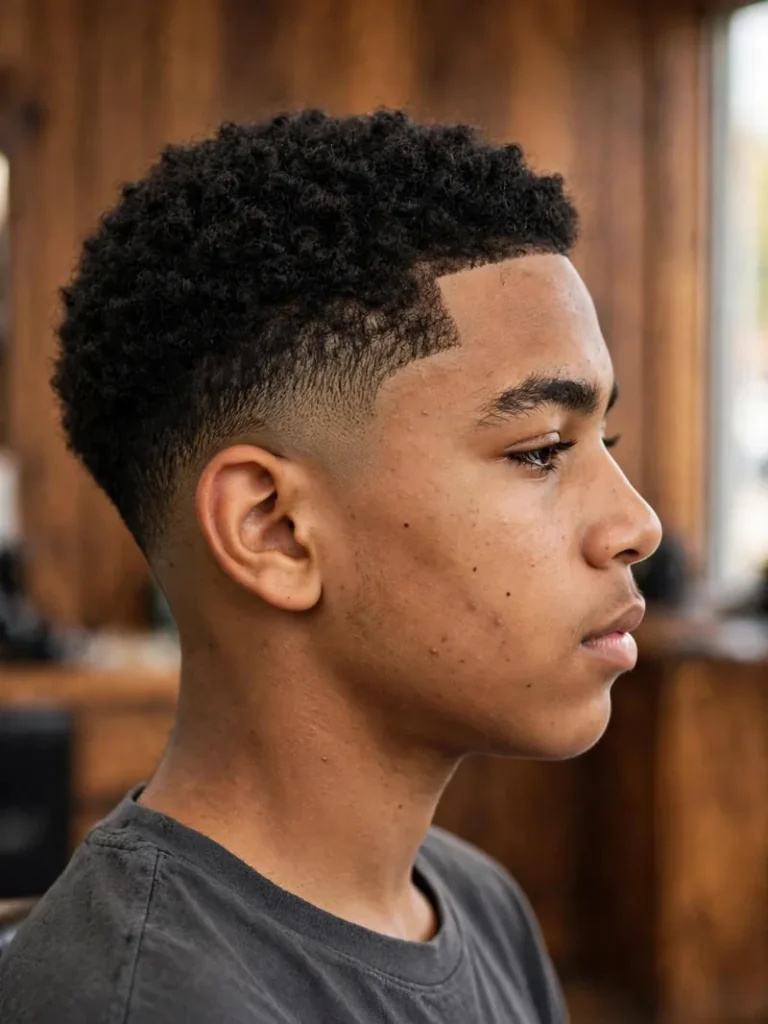
Clean edges frame the coily top with a crisp hairline, a straight line cut along the forehead. Top stays near one inch, so the coils sit tight and even across the crown. Sides fade low from just above the ears, which keeps the edges crisp and clear. Neckline ends in a clean, tapered line that follows the natural hairline.
Edge the hairline with a trimmer at home only between visits, and keep the strokes light. Coily hair keeps definition with moisture, so use light cream on damp hair. Book the barber for one inch of coil on top, a low fade, and lined-up edges. Edges blur first as hair grows, so book a line-up every two to three weeks. Try a slightly higher fade next time, but keep the top length so coils stay even.
Medium Flow Back

Medium length flows back past the ears, with straight strands lying smooth over the crown. Top runs about four inches, which gives the flow room to move without tangling. Sides taper gently and evenly, keeping enough length to blend with the longer top. Back length reaches the collar, unlike shorter flows that end above the ears.
Air-dry the flow, then brush it back with a wide comb once it feels damp. Add a small amount of light cream, because it smooths flyaways without stiffness. Straight hair flows back with ease, while wavy hair may need a brush while damp. Describe four inches on top with a gentle taper and no hard part to the barber. Plan end trims every six weeks, since longer tops hide growth longer than short cuts.
Layered Shaggy Top
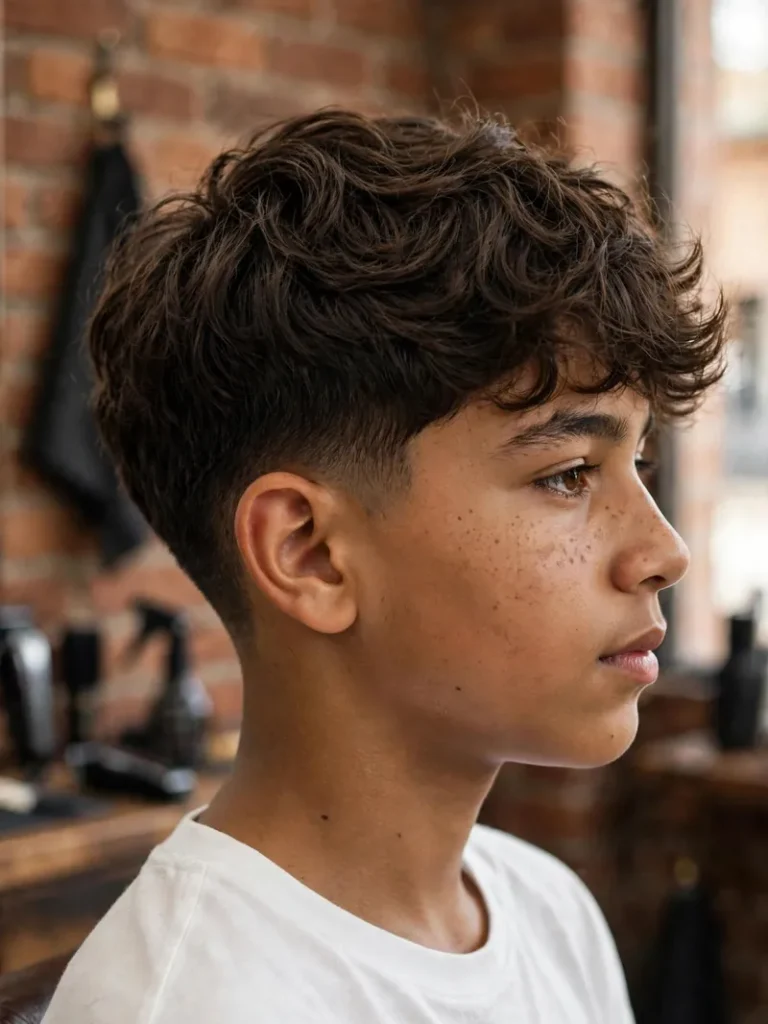
Layered strands fall about three inches long, with soft ends that flick in different directions. Sides taper short from the temples down, which keeps the shag from looking heavy. Texture comes from layers cut at varied lengths, so the top moves freely. Finish looks relaxed and loose, unlike shags with a neat, combed side part.
Shake the top loose with fingers after washing, then let it dry in the air. Spray sea salt on damp hair, because it adds grip and keeps layers apart. Wavy hair suits this shag, since natural bends fill out the layers. Book the barber for three inches of layers on top with tapered sides. Plan trims every five to six weeks, because layers lose shape once ends grow uneven.
Side Comb Short Cut
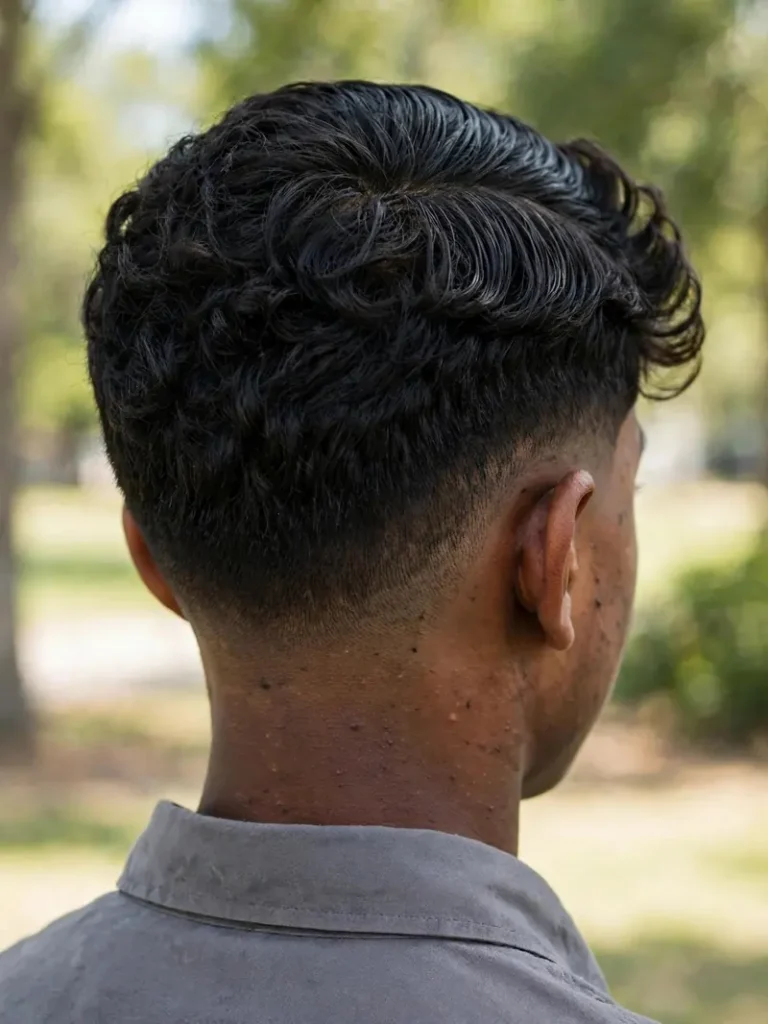
Side comb pushes short curls to one side, with the part sitting just off center. Top stays near two inches, which keeps the comb direction clear all day. Sides carry a low taper with clean edges, which frames the combed top neatly. Back view shows the comb line clearly, unlike cuts that brush hair straight back.
Sweep damp curls to one side with a wide comb, then smooth the top with a palm. Add light cream before combing, because it keeps curls soft and grouped together. Curly hair combs to the side with ease, but the part may drift as curls dry. Describe a low taper with two inches on top and a side part cut with scissors. Book a trim every four weeks, since the side part fades as the top grows.
Short Faux Hawk Rise
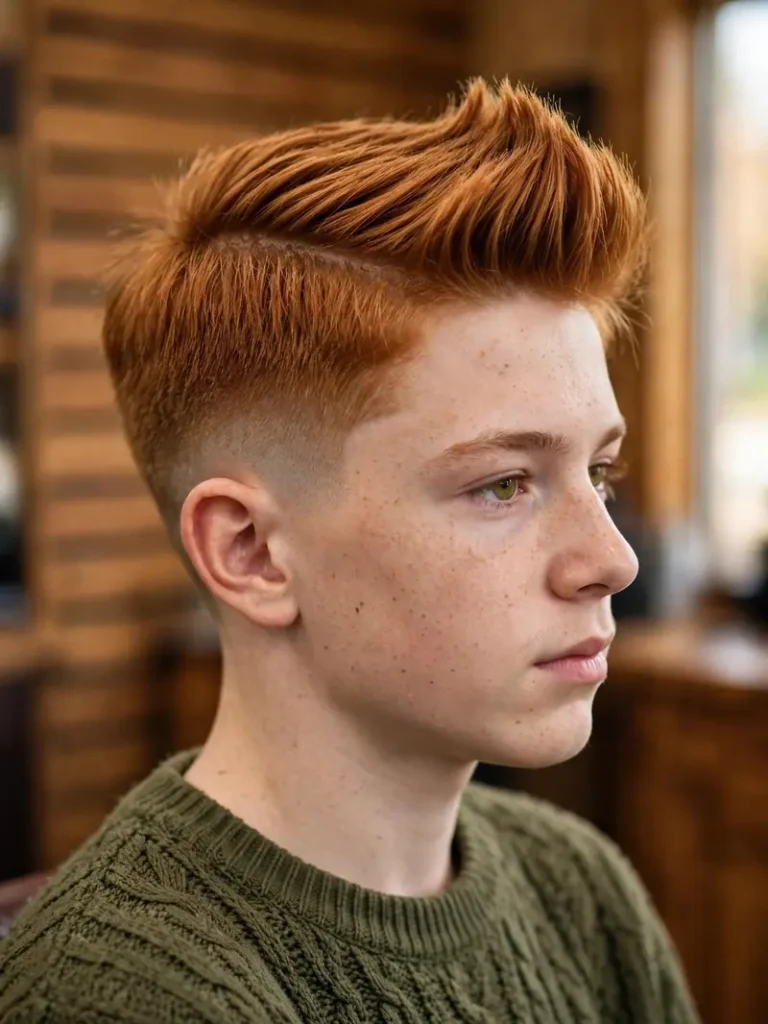
Center ridge runs from the forehead to the crown, with hair pushed up into a soft peak. Top stays near two inches, which gives the ridge enough length to stand. Sides fade short from the temples, so the ridge stands out against the short sides. Finish looks lifted and narrow, unlike wide quiffs that spread across the whole top.
Press damp hair upward at the center with fingertips, then add matte clay for hold. Keep clay to a small amount, because too much flattens the ridge. Straight hair holds the ridge well, while thick hair may need shorter sides. Describe a short faux hawk with faded sides and a two-inch top to the barber. Plan trims every three to four weeks, since the ridge loses height as the top grows.
Choppy Textured Top
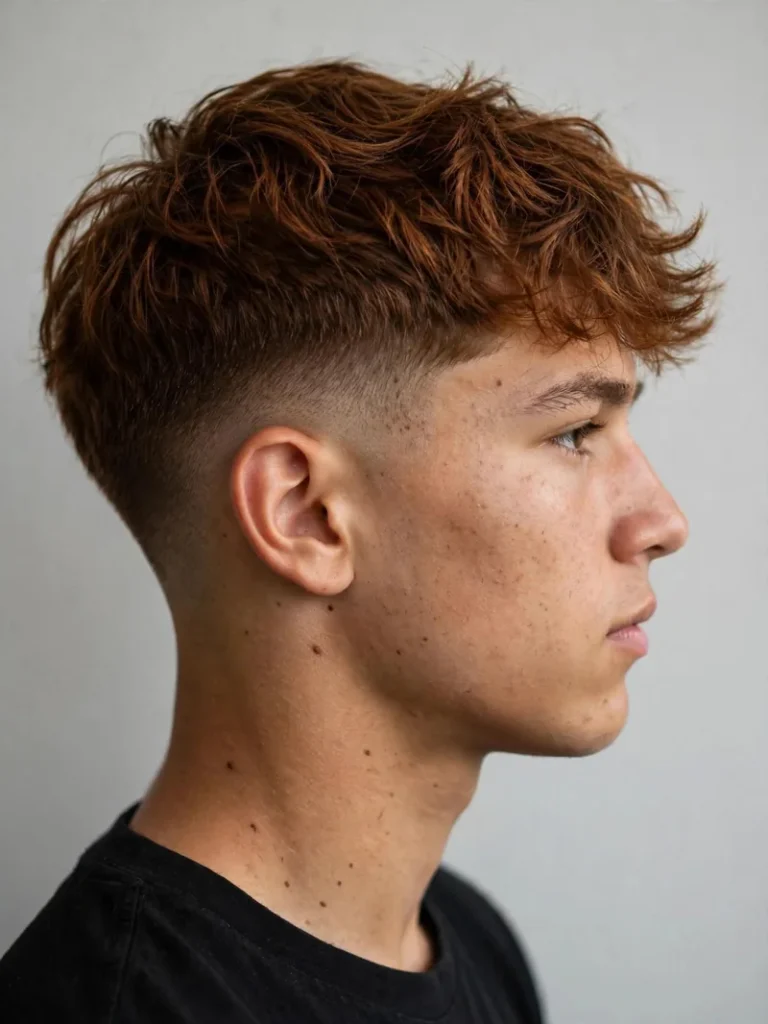
Uneven lengths across the top give the cut a choppy, piece-like surface. Top runs about two inches, with the longest pieces sitting near the front. Sides fade low from just above the ears, which keeps the choppy top as the focus. Texture feels rough and broken, unlike smooth crops that comb flat in one direction.
Ruffle damp hair with fingers, then push the pieces in different directions. Add a little matte clay, because it separates the pieces without gluing them down. Wavy hair adds natural texture here, while straight hair needs clay to hold the pieces. Describe a low fade with two inches of choppy top, cut with point cutting for texture. Plan trims every four weeks, because choppy ends grow into one flat shape over time.
Tapered Short Crop
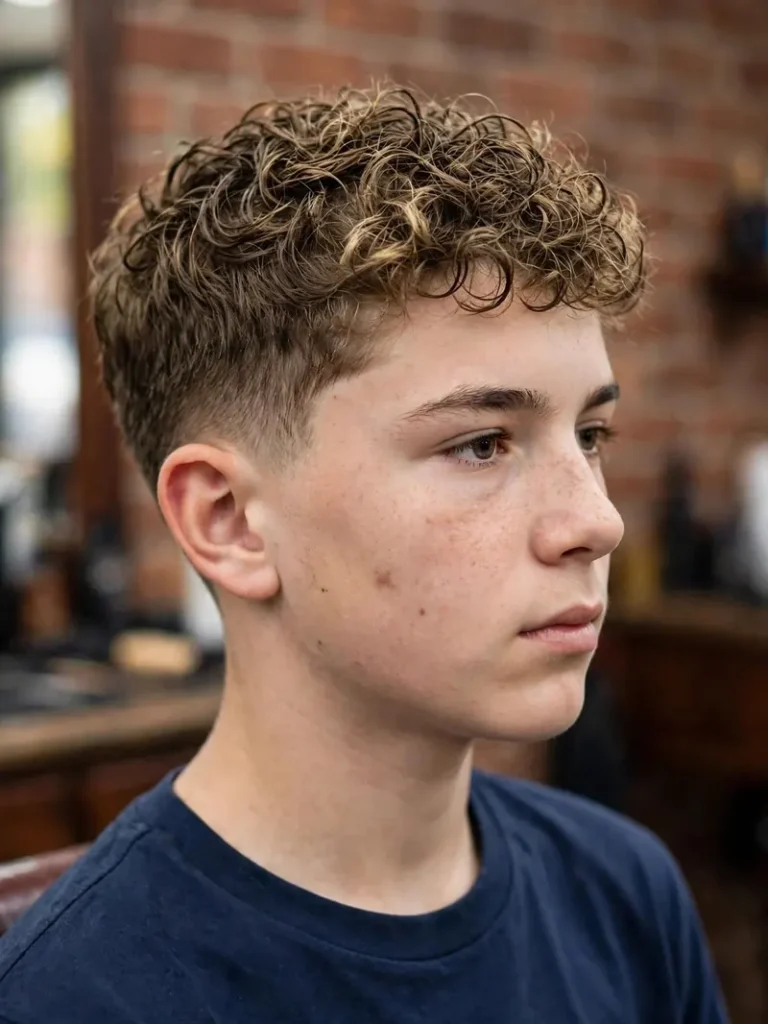
Gradual taper shortens the sides step by step, keeping some length near the sideburns. Top stays near one inch, with curls lying close and even across the crown. Back tapers down to a clean neckline, which sits just above the collar. Finish looks neat and even, unlike fades that blend all the way down to bare skin.
Some haircuts for teenage guys pair this crop with a mid fade, but tapers grow out more gently. Blend the sides with a number three guard, then shape the top with scissors. Curly hair suits this crop, since short curls sit close without much styling. Rub light cream on damp curls, because it keeps the top soft and even. Book trims every four to five weeks, as tapers keep their shape longer than fades.
Loose Ringlet Top
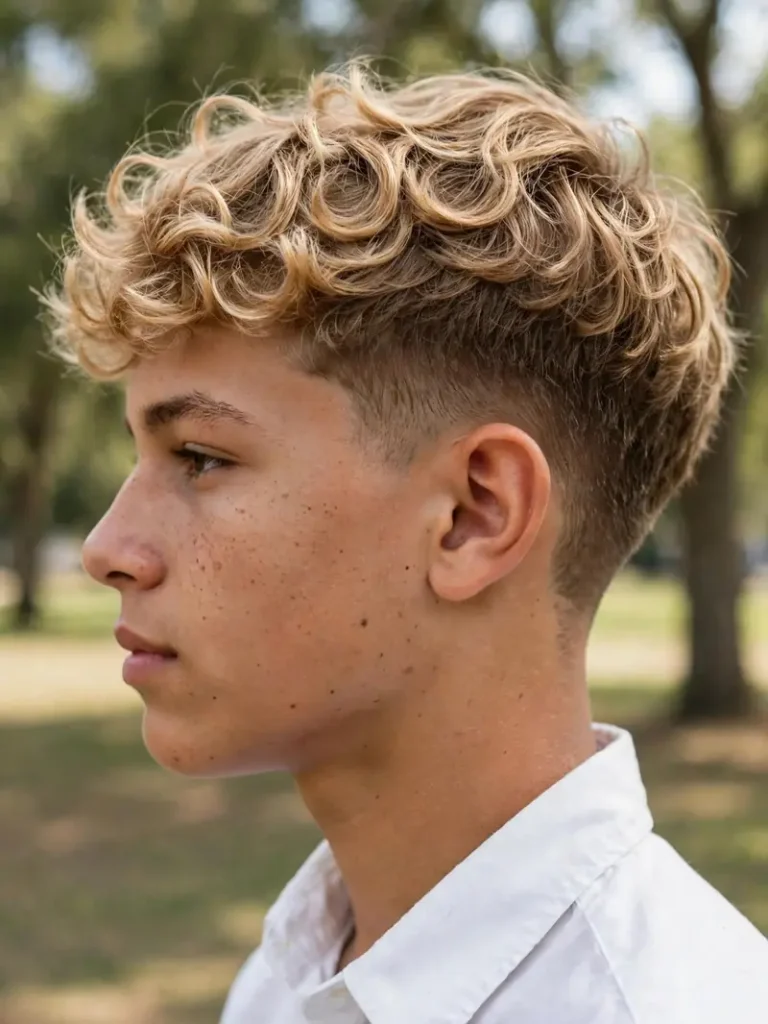
Loose ringlets fall about three inches long, with soft curls that loop in wide circles. Sides taper short from the temples, which lets the ringlets stay the main feature. Texture stays light and bouncy, since the curls keep their natural spring. Back view shows the ringlet shape clearly, unlike tighter curls that sit close to the scalp.
Diffuse curls on a low setting, then scrunch them gently with clean hands. Spray heat protectant first, because warm air can dry curls out and add frizz. Describe three inches of curl on top with a taper on the sides to the barber. Curly hair usually holds ringlets well, but fine curls may need light cream for hold. Plan trims every five weeks, since long curls lose their loop shape once ends split.
Side Fringe Sweep

Coily top sweeps to one side, with a soft fringe falling over the forehead. Top stays near two inches, which gives the sweep enough weight to hold its shape. Sides fade low from just above the ears, with clean edges at the temples. Back view shows the sweep direction, unlike fringes that fall straight down.
Smooth damp coils to one side with a wide comb, then pat the fringe into place. Rub light cream on damp hair, because it adds moisture and keeps coils grouped. Coily hair keeps definition with moisture, so avoid combing it once it dries. Book the barber for a side sweep with a low fade and clean temple edges. Plan a line-up every two to three weeks, since the fringe edge blurs with growth.
Tousled Morning Top
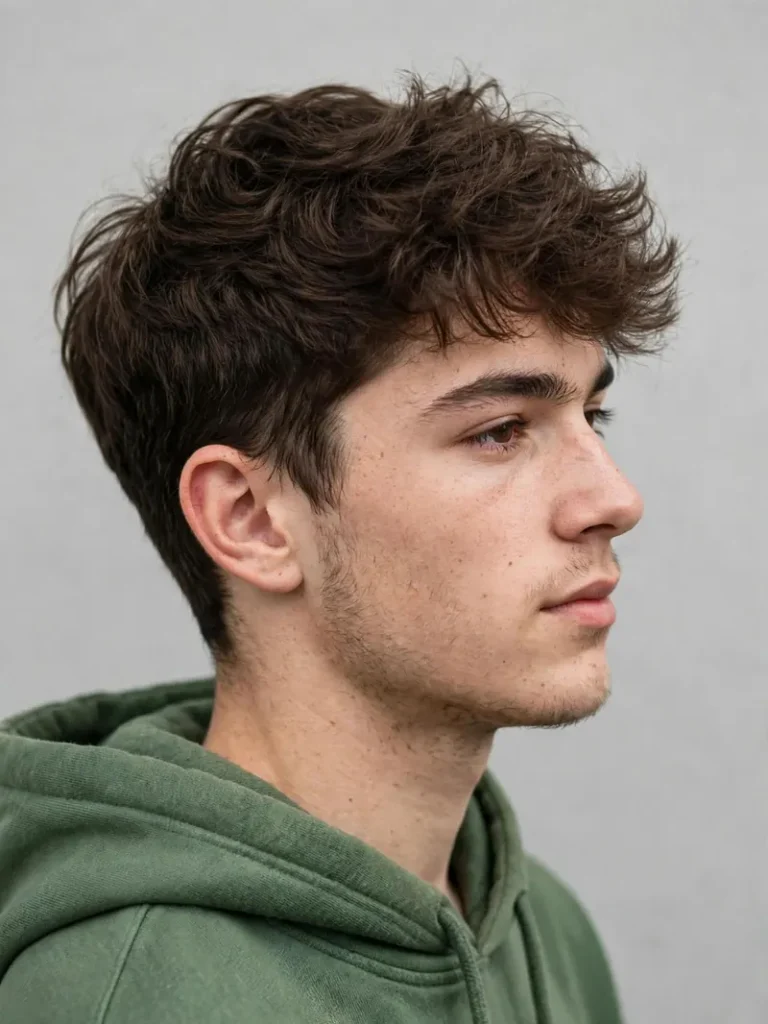
Tousled waves sit about two inches long, with pieces falling in loose, uneven directions all over. Sides taper short from the temples, which keeps the tousled top as the focus. Texture looks soft and airy, since the waves keep a natural lift. Finish looks casual and loose, unlike combed tops with a set part line.
Tousle damp hair with fingers, then let it dry without a comb. Add sea salt spray before drying, because it lifts the roots and holds the wave. Wavy hair holds this tousled shape well, but straight hair may need matte clay. Describe a low taper with two inches of tousled top, cut with point cutting for texture. Plan trims every four weeks, because tousled tops grow into one flat shape over time.
Graduated Taper Cut

Graduated sides grow shorter toward the neckline in small, even steps from the temples down. Top stays near two inches, with wavy hair lying smooth over the crown. Back tapers down in the same small steps, ending clean just above the collar. Finish looks smooth and graded, unlike fades that drop quickly to bare skin.
Measure grow-out by the neckline, since the taper edge shows growth first. Describe a number four guard high on the taper, then a number two near the neck. Comb damp hair to the side with a wide comb, then smooth it with light cream. Wavy hair suits this taper, since the gradual sides balance the wave on top. Book trims every four to five weeks, because the steps blur as hair grows.
Textured Fringe Forward

Textured fringe pushes straight hair forward, with short pieces that end just above the brows. Top runs about two inches, which gives the fringe enough length to fall forward. Sides carry a low taper, which starts just above the ears and blends upward. Texture feels rough and piece-like, unlike smooth fringes that lie flat in one sheet.
Work a pea-sized amount of matte clay through damp hair, then push the fringe forward. Straight hair holds the forward fall well, while fine hair may need more clay. Describe a low taper with two inches on top and a fringe textured with point cutting. Skip heavy pomade here, because it flattens the fringe and hides the texture. Plan trims every four weeks, since the fringe covers the brows once it grows long.
Short Back Length Mullet

Longer length at the back reaches past the collar, while the top stays short and coily. Top stays near two inches, with tight coils that hold their shape. Sides fade low from just above the ears, which keeps the back length as the focus. Neckline stays long and curly, unlike mullets with a straight, tapered back edge.
Leave the back length alone between cuts, and trim only the sides and top. Coily hair keeps definition with moisture, so use light cream on damp curls. Describe a low fade with two inches of coil on top and length left at the back. School rules may limit back length, so check them before the first cut. Plan side trims every three to four weeks, but let the back grow longer.
Low Drop Fade Crew

Low fade curves down behind the ear, dropping lower at the back than at the temples. Top stays near one inch, with short hair lying flat in a neat crew shape. Sides blend from very short near the ears to longer hair near the crown. Back view shows the drop curve clearly, unlike straight fades that run level around the head.
Watch the fade line in a mirror after the cut, since the drop curve must stay even. Describe a crew top with a low drop fade that curves behind the ear to the barber. No product is needed, which keeps mornings short and the scalp free of buildup. Plan trims every three weeks, because the drop line blurs fast once hair grows. Try a slightly higher drop next time, but keep the crew top short for school.
Curly Burst Fade Top
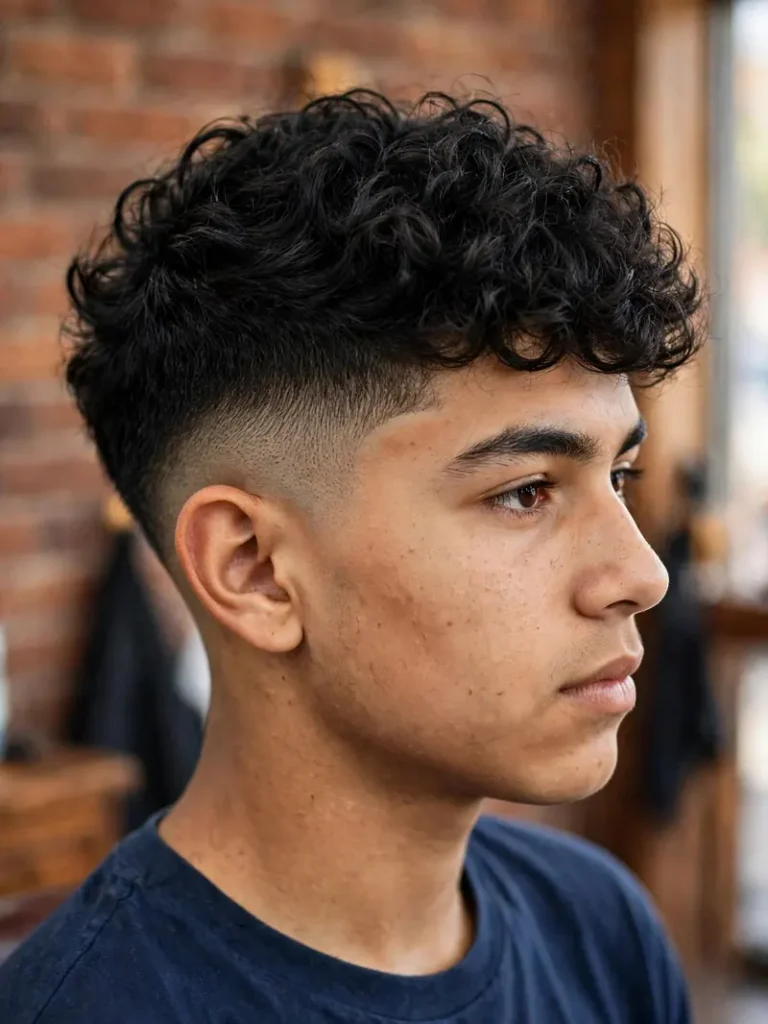
Curly top sits about two inches long, with tight curls that hold a round shape. Sides carry a burst fade, which arcs around the ear and leaves length behind it. Texture stays springy and full, since the curls keep their natural bounce. Back stays short and tapered, which sets this cut apart from fades that run level.
Twist small curls with fingertips after washing, then let them dry in the air. Rub light cream on damp curls, because it adds moisture and keeps curls grouped. Describe a burst fade with two inches of curl on top to the barber. Curly hair usually needs trims every four weeks, since the burst line blurs with growth. Try a low fade variation next time, but keep the curl length so the top stays full.
Short lengths, tidy sides, and a clear plan make school mornings calmer for most families. Ask the barber for a guard number and a fade height, then write both down for next time. Keep a small tub of matte clay or light cream near the bathroom mirror for quick styling. Book the next trim before the shape starts to blur. Hair grows about half an inch a month, so gaps stay short. Most haircuts for teenage guys keep a neat outline for a few weeks with that routine. Start by showing the barber a photo of the chosen cut at the next visit.
About Me
Hi, I am Beck, the voice behind Hairzaa. I share simple, real-life hairstyles, cuts and color ideas that busy women can actually do, because confidence starts in the morning mirror. Every style here is tested in real life first, so you can look beautiful without the fuss.